
Introducing
Isoclear™
topical Isotretinoin gel system

The Hollywood Dose
Micro-dose Protocol
for resistant acne

Who We Are
Our Story
FAQs
Contact Us
Blog
Explore
Success Stories
Standard Accutane vs Micro-dose Protocol
Pay over time with


For Emergencies:
Need emotional support? (24/7): Call or text 988
Emergency Services (24/7): Dial 911
View All
Isotretinoin (Accutane) Protocols
Standard Protocol
Micro-dose Protocol
Oral and Topical Treatments
Isoclear™
NewDoxycycline + Topical
Spironolactone + Topical
Compounded Topical
Supporting Products
Jojoba Oil Cleanser
Lightweight Moisturizer
Home Pregnancy Tests (6 ct)
Aquaphor (3 ct)
At-Home LFT + Lipid Panel Bloodwork Kit
Who We Are
Our Story
FAQs
Contact Us
Blog
Explore
Success Stories
Standard Accutane vs Micro-dose Protocol
Pay over time with
For Emergencies:
Need emotional support? (24/7): Call or text 988
Emergency Services (24/7): Dial 911
Looking for an Accutane Alternative? What to Know Before Choosing Your Next Acne Treatment

Written byErika Morrison
Published on06/26/2026
Here’s what we’ll cover
- Looking for an Accutane Alternative?
- What Is Accutane?
- Why Do People Look for Accutane Alternatives?
- What Are the Main Alternatives to Accutane?
- Is Isoclear an Accutane Alternative?
- Who Might Be Interested in an Accutane Alternative?
- When Is Accutane Still the Better Option?
- What to Ask Your Dermatology Provider
- Key Takeaway
- Ask About Isoclear
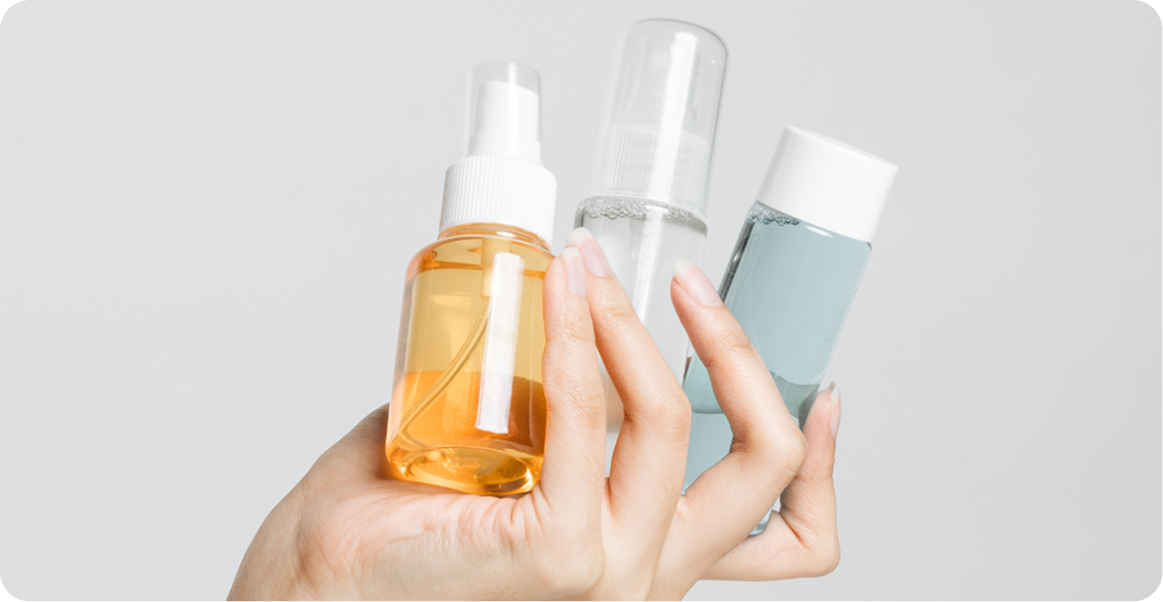
Looking for an Accutane Alternative?
If you have persistent acne, you may have already heard about Accutane, also known by its generic name oral isotretinoin. For many people with severe or stubborn acne, isotretinoin can be an effective treatment option. But it can also feel like a big step.
Some people worry about dryness, side effects, lab monitoring, pregnancy-prevention requirements, or whether they are ready for an oral medication. Those concerns are valid. Oral isotretinoin is a serious prescription medication that requires medical supervision, and it may not be the first choice for every acne patient.
The good news: if you are looking for an Accutane alternative, there may be other prescription acne options worth discussing with a dermatology provider.
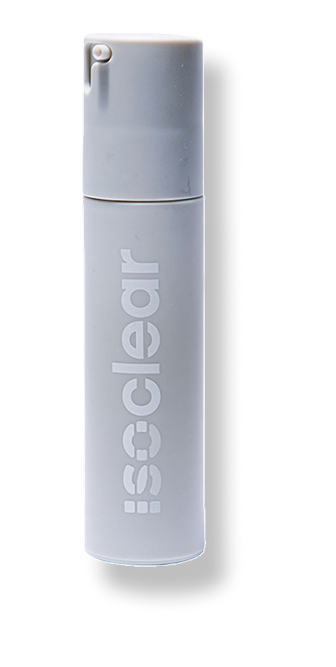
One of those options may be Isoclear, a provider-guided topical isotretinoin treatment available through HelloClearHealth.com.
Topical Isotretinoin gel system for Modern Acne Care
Isoclear™ a dermatologist-backed topical isotretinoin system designed to clear acne, fade marks, and maintain healthy-looking skin.
Start Online EvaluationIncludes Dermatologist Evaluation
What Is Accutane?
Accutane is the former brand name for oral isotretinoin, a vitamin A derivative used to treat severe acne, especially acne that has not responded well to other treatments. Dermatology guidelines strongly recommend oral isotretinoin for severe acne, acne causing scarring, or acne that has not improved with standard therapy. (PubMed)
Unlike a cleanser, serum, or spot treatment, oral isotretinoin works systemically, meaning it affects the body from the inside. That is part of why it can be powerful, but also why it requires more monitoring.
Why Do People Look for Accutane Alternatives?
People search for Accutane alternatives for different reasons. Some are not eligible for oral isotretinoin. Some are worried about side effects. Some want to try a topical prescription option first. Others are open to prescription acne care, but do not want the requirements that come with oral isotretinoin.
Common reasons include:
| CONCERN | WHY IT MATTERS |
|---|---|
| Dryness | Dry skin, chapped lips, dry eyes, and nosebleeds are common during oral isotretinoin treatment. (AAD) |
| iPLEDGE requirements | Oral isotretinoin is part of the iPLEDGE REMS safety program because of pregnancy-related risks. (ipledgeprogram.com) |
| Pregnancy testing and birth control requirements | Certain patients must follow strict pregnancy-prevention steps while taking oral isotretinoin. (U.S. Food and Drug Administration) |
| Lab monitoring | Providers may monitor certain labs depending on the patient and treatment plan. |
| Lifestyle fit | Some people want a prescription option that feels easier to fit into their routine. |
This does not mean oral isotretinoin is “bad.” It means it is a powerful medication that deserves careful screening, education, and provider guidance.
What Are the Main Alternatives to Accutane?
There is no one-size-fits-all acne treatment. The right option depends on your acne type, severity, medical history, skin sensitivity, lifestyle, and treatment goals.
Here are common alternatives a dermatology provider may consider.
1. Topical Retinoids
Topical retinoids are prescription or over-the-counter vitamin A derivatives applied directly to the skin. They are commonly used for acne because they help reduce clogged pores and support skin cell turnover.
Common topical retinoids include:
| RETINOID | COMMON USE |
|---|---|
| Adapalene | Mild to moderate acne; available OTC in some strengths |
| Tretinoin | Prescription acne and skin renewal support |
| Tazarotene | Prescription acne treatment |
| Topical isotretinoin | Less commonly discussed, but studied as a topical acne treatment |
The American Academy of Dermatology guidelines strongly recommend topical retinoids as part of acne care. (PubMed)
2. Benzoyl Peroxide
Benzoyl peroxide is a common acne ingredient that helps reduce acne-causing bacteria and can be used in cleansers, gels, or combination prescription products. Dermatology guidelines strongly recommend benzoyl peroxide for acne treatment. (PubMed)
It may be used alone or alongside other acne medications, depending on your provider’s recommendation.
3. Topical Antibiotics
Topical antibiotics, such as clindamycin, may be prescribed for inflammatory acne. They work by reducing acne-associated bacteria and inflammation on the skin.
Because using a topical antibiotic by itself may contribute to antibiotic resistance, it is often combined with another acne-fighting ingredient, such as benzoyl peroxide or a topical retinoid. This combination can target acne through multiple pathways while supporting a more complete treatment plan.
The American Academy of Dermatology includes topical antibiotics among its recommended topical acne therapies, alongside options such as topical retinoids, benzoyl peroxide, salicylic acid, and azelaic acid. The right combination will depend on the type and severity of acne, previous treatments, skin sensitivity, and other individual factors. (JAAD)
A licensed healthcare provider can determine whether a topical antibiotic should be included in your acne treatment plan and how long it should be used.
4. Oral Antibiotics
For moderate to more inflamed acne, dermatology providers may prescribe oral antibiotics for a limited period. These are typically used when acne is widespread, red, tender, or not responding to topical treatment alone.
They are not usually intended as a long-term acne solution, but they may help calm inflammation while other treatments begin working.
5. Hormonal Acne Treatments
For some patients, especially those with acne linked to hormonal patterns, providers may consider hormonal options. These may include certain birth control pills or spironolactone, depending on the patient’s health history and eligibility.
Hormonal treatment is not right for everyone, but it can be useful for certain types of adult acne, jawline acne, or acne that flares around the menstrual cycle.
6. Azelaic Acid
Azelaic acid may be used for acne, redness, and post-acne discoloration. It can be a helpful option for patients who want acne support while also addressing dark marks or uneven tone.
It is not the same as oral isotretinoin, but it can be part of a broader acne plan.
7. Topical Isotretinoin
Most people are familiar with isotretinoin as an oral medication commonly used for severe or persistent acne. However, isotretinoin can also be formulated as a topical treatment that is applied directly to the skin rather than taken as a pill.
Topical isotretinoin has been studied as a treatment for acne. In older clinical research, topical isotretinoin 0.05% gel was more effective than a vehicle treatment at reducing acne lesions. (pdfs.semanticscholar.org)
Topical isotretinoin is not the same as oral isotretinoin, commonly known by the former brand name Accutane. Oral isotretinoin works throughout the body, while topical isotretinoin is applied directly to acne-prone areas of the skin. For people interested in a prescription acne treatment but hesitant to take oral medication, topical isotretinoin may be an option worth discussing with a licensed dermatology provider.
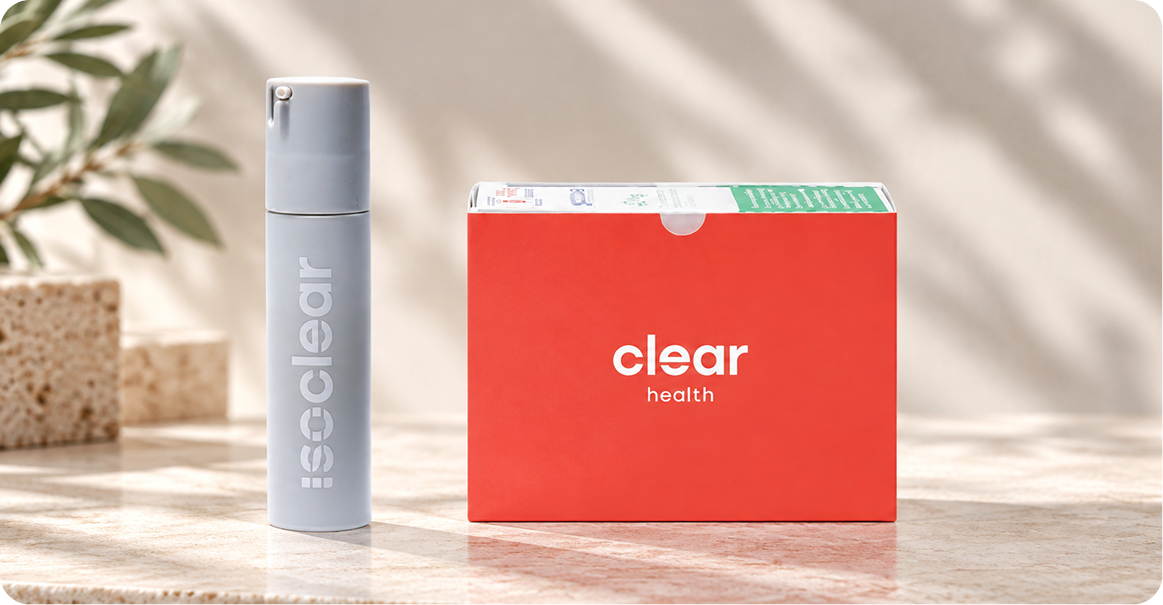
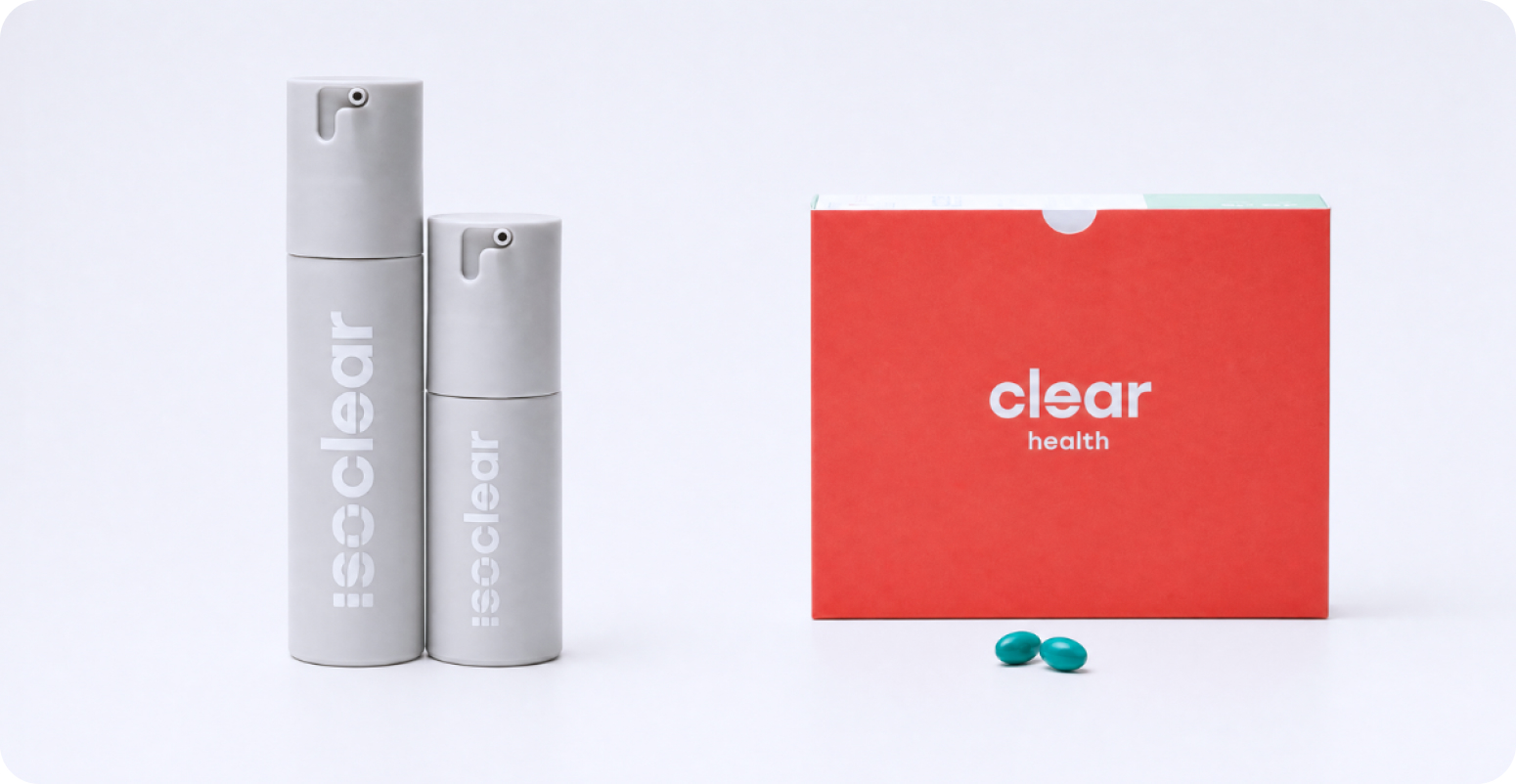
Isoclear™ is a provider-guided topical isotretinoin system designed to treat active acne, fade post-acne marks, and help maintain clearer skin. Its first phase, CLEAR, combines topical isotretinoin with clindamycin to target active breakouts. Later phases are designed to support the appearance of acne marks and long-term skin maintenance.
Unlike oral isotretinoin, Isoclear is applied directly to the skin and does not involve daily pills, monthly laboratory testing, or iPLEDGE enrollment. A licensed dermatology provider will determine whether Isoclear is appropriate based on your acne, medical history, skin sensitivity, and treatment goals.
Topical Isotretinoin gel system for Modern Acne Care
Isoclear™ a dermatologist-backed topical isotretinoin system designed to clear acne, fade marks, and maintain healthy-looking skin.
Start Online EvaluationIncludes Dermatologist Evaluation
Is Isoclear an Accutane Alternative?
Isoclear may be considered an option for people who are looking for a provider-guided topical acne treatment that uses isotretinoin applied to the skin.
Isoclear is not the same as Accutane. Accutane is oral isotretinoin. Isoclear is a topical isotretinoin treatment applied to the skin under provider guidance.
That difference matters.
| ACCUTANE / ORAL ISOTRETINOIN | ISOCLEAR / TOPICAL ISOTRETINOIN |
|---|---|
| Taken by mouth | Applied to the skin |
| Works systemically | Works topically |
| Requires iPLEDGE REMS | Provider determines requirements |
| Often used for severe acne | Designed to address lingering acne, lingering acne marks, and skin renewal. |
| More monitoring requirements | Typically a different treatment experience |
Because Isoclear is prescription-based, a licensed provider should determine whether it is appropriate for your skin, acne severity, medical history, and goals.
Who Might Be Interested in an Accutane Alternative?
You may want to ask about Accutane alternatives if:
- You have tried over-the-counter skincare but still break out.
- You are not ready for oral isotretinoin.
- You are worried about Accutane side effects.
- You want to explore topical prescription acne care.
- You have acne plus post-acne marks or uneven tone.
- You want a dermatology provider to help you build a treatment plan.
You want something stronger than basic skincare, but you are not sure if oral isotretinoin is the right next step.
When Is Accutane Still the Better Option?
It is important to be honest: oral isotretinoin may still be the right choice for some patients.
A dermatology provider may recommend oral isotretinoin for severe nodular acne, acne that is causing scarring, or acne that has not improved with other treatments. The American Academy of Dermatology guidelines strongly recommend oral isotretinoin for severe acne and acne that has failed standard treatment. (PubMed)
So the goal is not to say “avoid Accutane.” The goal is to understand your options and choose the treatment that fits your acne, your risk factors, and your provider’s recommendation.
What to Ask Your Dermatology Provider
If you are looking for an Accutane alternative, ask your provider:
- “What type of acne do I have?”
- “Is my acne mild, moderate, or severe?”
- “Do I need oral medication, or could a topical prescription be appropriate?”
- “Am I a candidate for topical isotretinoin?”
- “What side effects should I expect?”
- “How long should I try this before reassessing?”
- “What should I avoid while using this treatment?”
- “Can this help with acne and post-acne marks?”
These questions can help you avoid guessing and get a treatment plan that actually makes sense for your skin.

Book an Appointment with
a Dermatologist
Every Clear Health treatment begins with a licensed, board-certified dermatologist reviewing your skin and guiding your care - safely, thoughtfully, and personally.
Start Online EvaluationKey Takeaway
If you are searching for an Accutane alternative, you are probably looking for something stronger than basic skincare but less intimidating than oral isotretinoin.
There are several options your dermatology provider may discuss, including topical retinoids, benzoyl peroxide, topical antibiotics, oral antibiotics, hormonal treatments, azelaic acid, and topical isotretinoin.
Isoclear is a provider-guided topical isotretinoin treatment available through Clear Health. It is not the same as Accutane, but it may be an option for patients who want to ask about prescription acne care applied directly to the skin.
Ask About Isoclear
Ready to explore a topical prescription option for acne?
See if Isoclear may be right for you at HelloClearHealth.com.
A licensed dermatology provider can review your skin, acne history, and goals to determine whether Isoclear is appropriate for you.
- American Academy of Dermatology Association — Acne clinical guidelines
The AAD guidelines strongly recommend several acne treatments, including benzoyl peroxide, topical retinoids, topical antibiotics, oral doxycycline, and oral isotretinoin for severe or treatment-resistant acne. (PubMed) - American Academy of Dermatology Association — Isotretinoin safety and side effects The AAD explains that dryness, chapped lips, dry eyes, and nosebleeds are common during isotretinoin treatment. (AAD)
- FDA — iPLEDGE REMS for isotretinoin products The FDA explains that iPLEDGE REMS is designed to reduce embryo-fetal toxicity risk for FDA-approved isotretinoin products. (U.S. Food and Drug Administration)
- iPLEDGE Program The iPLEDGE program describes itself as a safety program to manage isotretinoin’s teratogenic risk and minimize fetal exposure. (ipledgeprogram.com)
- Journal of the American Academy of Dermatology — Acne management guidelines The JAAD guideline article lists commonly used topical acne therapies, including topical retinoids, benzoyl peroxide, antibiotics, clascoterone, salicylic acid, and azelaic acid. (jaad.org)
- Topical isotretinoin research Clinical research has studied topical isotretinoin gel for acne, including comparisons with vehicle treatment. (pdfs.semanticscholar.org)
Related Stories
Oral Accutane vs. Isoclear (Topical Isotretinoin)
Written by Michael Chang
Published on 10/16/2026
Can You Wear Makeup on Accutane?
Written by Erika Morrison
Published on 10/09/2026

Here’s what you don’t need to do when starting Isoclear (& what you still need to do)
Written by Erika Morrison
Published on 10/02/2026
View All