
Introducing
Isoclear™
topical Isotretinoin gel system

The Hollywood Dose
Micro-dose Protocol
for resistant acne

Who We Are
Our Story
FAQs
Contact Us
Blog
Explore
Success Stories
Standard Accutane vs Micro-dose Protocol
Pay over time with


For Emergencies:
Need emotional support? (24/7): Call or text 988
Emergency Services (24/7): Dial 911
View All
Isotretinoin (Accutane) Protocols
Standard Protocol
Micro-dose Protocol
Oral and Topical Treatments
Isoclear™
NewDoxycycline + Topical
Spironolactone + Topical
Compounded Topical
Supporting Products
Jojoba Oil Cleanser
Lightweight Moisturizer
Home Pregnancy Tests (6 ct)
Aquaphor (3 ct)
At-Home LFT + Lipid Panel Bloodwork Kit
Who We Are
Our Story
FAQs
Contact Us
Blog
Explore
Success Stories
Standard Accutane vs Micro-dose Protocol
Pay over time with
For Emergencies:
Need emotional support? (24/7): Call or text 988
Emergency Services (24/7): Dial 911
Stubborn Acne: Why It Happens and How to Treat It Effectively

Written byErika Morrison
Published on12/26/2025
Here’s what we’ll cover
- What Causes Stubborn Acne?
- Why Regular Acne Treatments Sometimes Don’t Work
- The Most Effective Ingredients for Stubborn Acne
- When Over-the-Counter Treatments Aren’t Enough
- Home Remedies That Support Acne Healing
- Understanding the Different Types of Acne
- Lifestyle Habits That Help Prevent Breakouts
- When to See a Board-Certified Dermatologist
- Get Expert Help at Clear Health
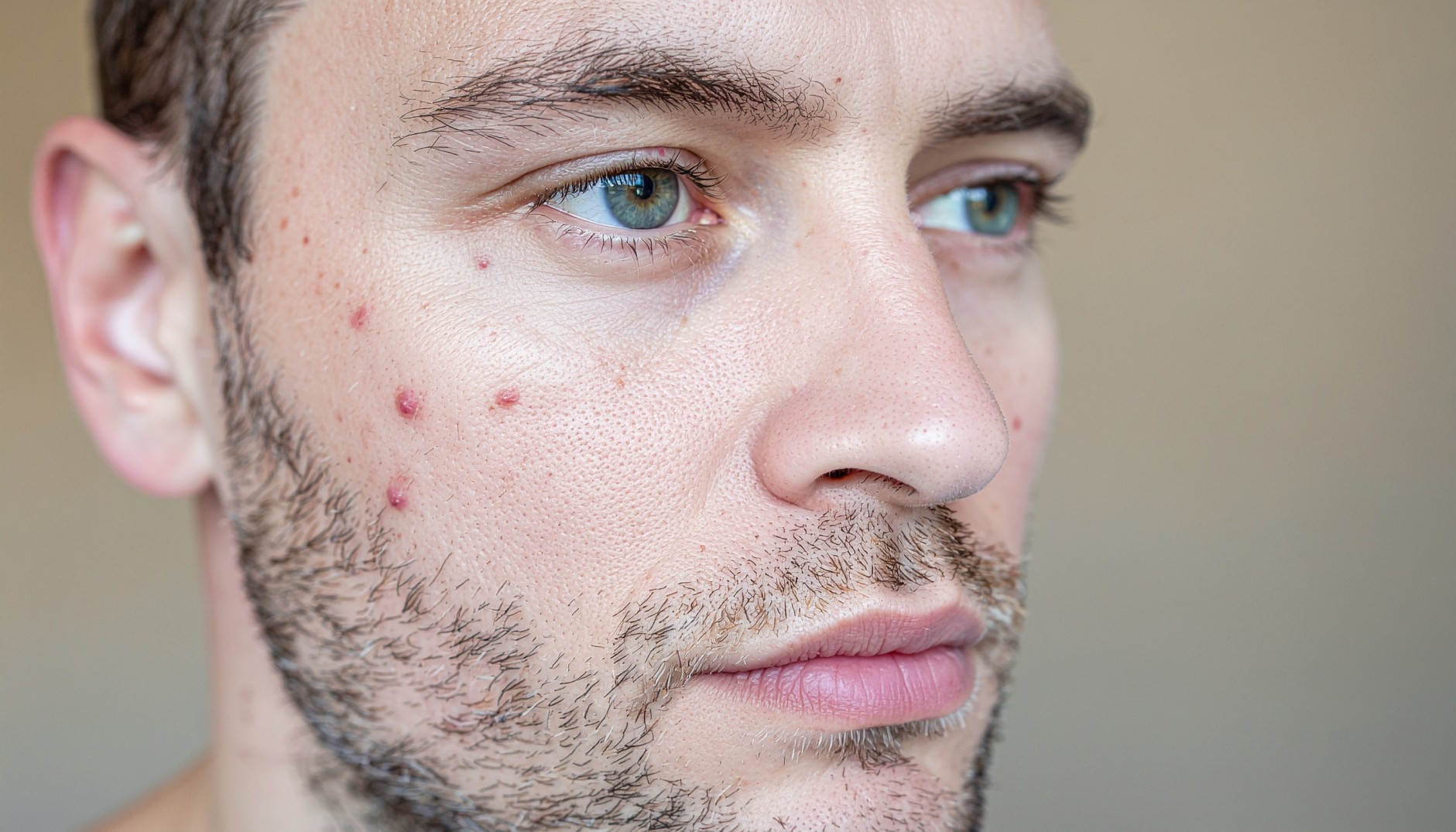
If you’ve ever dealt with a stubborn zit that refuses to go away, you know how frustrating it can be. Stubborn acne often lingers for weeks and resists typical over-the-counter products. But understanding why it happens, and which treatments actually work, can make all the difference.
Below, we’ll cover the science behind stubborn acne, the best acne treatments to clear your skin, and when to talk to a board-certified dermatologist about prescription medications.
What Causes Stubborn Acne?
Stubborn acne develops when excess oil, dead skin cells, and bacteria block your hair follicles. This blockage traps oil from your oil glands beneath the skin, leading to inflammation, swelling, and the formation of pimples.
There are several types of pimples, including:
- Whiteheads and blackheads (non-inflammatory)
- Papules and pustules (inflamed pimples)
- Nodules and cysts (deep, painful lumps beneath the skin, known as cystic acne)
Certain factors can make acne more stubborn, such as:
- Hormonal changes that increase oil production
- Using products that irritate your skin or clog pores
- Stress, which can boost oil production
- Medications, such as steroids or some birth control pills
Why Regular Acne Treatments Sometimes Don’t Work
If you’ve tried countless cleansers or spot treatments without success, you’re not imagining things - some breakouts are more persistent because they occur deeper within the skin. Cystic acne, for example, forms when oil and bacteria penetrate deeply into hair follicles.
Additionally, using too many harsh products or washing your face too often (more than two times a day) can actually irritate your skin, worsening inflammation and slowing healing.
The Most Effective Ingredients for Stubborn Acne
When it comes to stubborn acne treatment, two powerhouse ingredients stand out: salicylic acid and benzoyl peroxide. Each works differently, and both are backed by dermatologists.
1. Salicylic Acid: The Pore Unclogger
Salicylic acid is a beta hydroxy acid (BHA) that helps remove dead skin cells from inside your pores. It’s oil-soluble, meaning it can penetrate through excess sebum and reach deep into blocked pores.
Regular use can help to
- Exfoliate and unclog pores
- Prevent blackheads and whiteheads
- Smooth rough texture
However, overuse can dry out or irritate sensitive skin. To start, use a cleanser or toner with 0.5%–2% salicylic acid once a day and rinse with warm water, not hot.
2. Benzoyl Peroxide: The Bacteria Fighter
While salicylic acid unclogs pores, benzoyl peroxide kills acne-causing bacteria (Cutibacterium acnes). It also helps reduce redness and swelling in inflamed pimples.
It’s especially effective for:
- Red, inflamed breakouts
- Cystic acne and pustules
- Reducing acne-causing bacteria
Use a low concentration (2.5%–5%) at first to minimize irritation. Benzoyl peroxide can bleach fabrics, so apply it carefully before bed.
When Over-the-Counter Treatments Aren’t Enough
If you’ve used acne medications for several weeks without seeing improvement, it may be time to talk to a board-certified dermatologist. They can help determine whether your acne is caused by hormonal imbalances, bacteria, or inflammation, and whether stronger prescription medications might help.
Common options include:
- Topical retinoids (e.g., tretinoin) to prevent clogged pores
- Oral antibiotics to reduce bacteria and inflammation
- Birth control pills or spironolactone to regulate hormones
- Isotretinoin (Accutane) for severe, cystic acne
Each treatment has potential side effects, so a dermatologist will help you weigh the benefits and risks based on your skin type and acne severity.
Home Remedies That Support Acne Healing
While professional care is key for chronic acne, these home habits can help support clearer skin:
- Use warm compresses to help draw out pus from whiteheads and cysts naturally.
- Wash your face twice a day with a gentle cleanser and warm water (avoid harsh scrubbing).
- Moisturize daily with an oil-free, non-comedogenic moisturizer to prevent dryness.
- Avoid products with alcohol or strong fragrance that can irritate your skin.
- Never try to pop a pimple! This can spread bacteria and cause scarring.
Understanding the Different Types of Acne
- Whiteheads & Blackheads – Caused by clogged pores from excess oil and dead skin cells.
- Papules & Pustules – Red, inflamed pimples that may be filled with pus.
- Nodules & Cysts – Deep, painful bumps that can last a long time.
Lifestyle Habits That Help Prevent Breakouts
Beyond topical treatments, your daily habits can impact acne more than you think:
- Clean pillowcases and towels regularly to reduce bacteria buildup
- Avoid touching your face frequently
- Manage stress. Cortisol can trigger oil production
- Use makeup labeled non-comedogenic (won’t clog pores)
- Maintain a balanced diet rich in antioxidants and low in processed sugars
If acne consistently worsens around your menstrual cycle, discuss hormonal acne with your dermatologist, certain birth control pills or anti-androgen medications can help balance hormone levels.
When to See a Board-Certified Dermatologist
If your acne has persisted for more than 8–12 weeks even if you have proper skin care routine, or if you experience painful cystic acne, scarring, or emotional distress, it’s time to seek professional help.
A board-certified dermatologist can:
- Identify your acne type
- Prescribe the right acne medications, if needed
- Create a personalized stubborn acne treatment plan that won’t irritate your skin
- Monitor for side effects from prescription drugs. Clear Health’s personalized acne plans include regular checks of your liver and lipid levels to keep you healthy while your skin clears up
Early intervention not only prevents scarring but also boosts your confidence and long-term skin health. Read Brady's honest story with Clear Health.
Get Expert Help at Clear Health
At Clear Health, our board-certified dermatologists use proven acne treatments made just for you. From gentle, low-dose Accutane to simple topical care, we help treat stubborn, cystic, and hormonal acne so you can get clear, healthy skin.
👉 Book an appointment today with a board-certified dermatologist at Clear Health to start your personalized acne treatment plan.
Book an Appointment with
a Dermatologist
Every Clear Health treatment begins with a licensed, board-certified dermatologist reviewing your skin and guiding your care - safely, thoughtfully, and personally.
Start Online Evaluation- Mayo Clinic – Acne Treatments
- American Academy of Dermatology Association (AAD)
- Healthline – Salicylic Acid vs. Benzoyl Peroxide
- Verywell Health – Benzoyl Peroxide vs. Salicylic Acid
- Cleveland Clinic – Acne Medications
- Healthline – Should You Pop a Pimple?
- Medical News Today – Types of Acne
- Harvard Health – The Hormonal Acne Guide to Clearer Skin
Related Stories
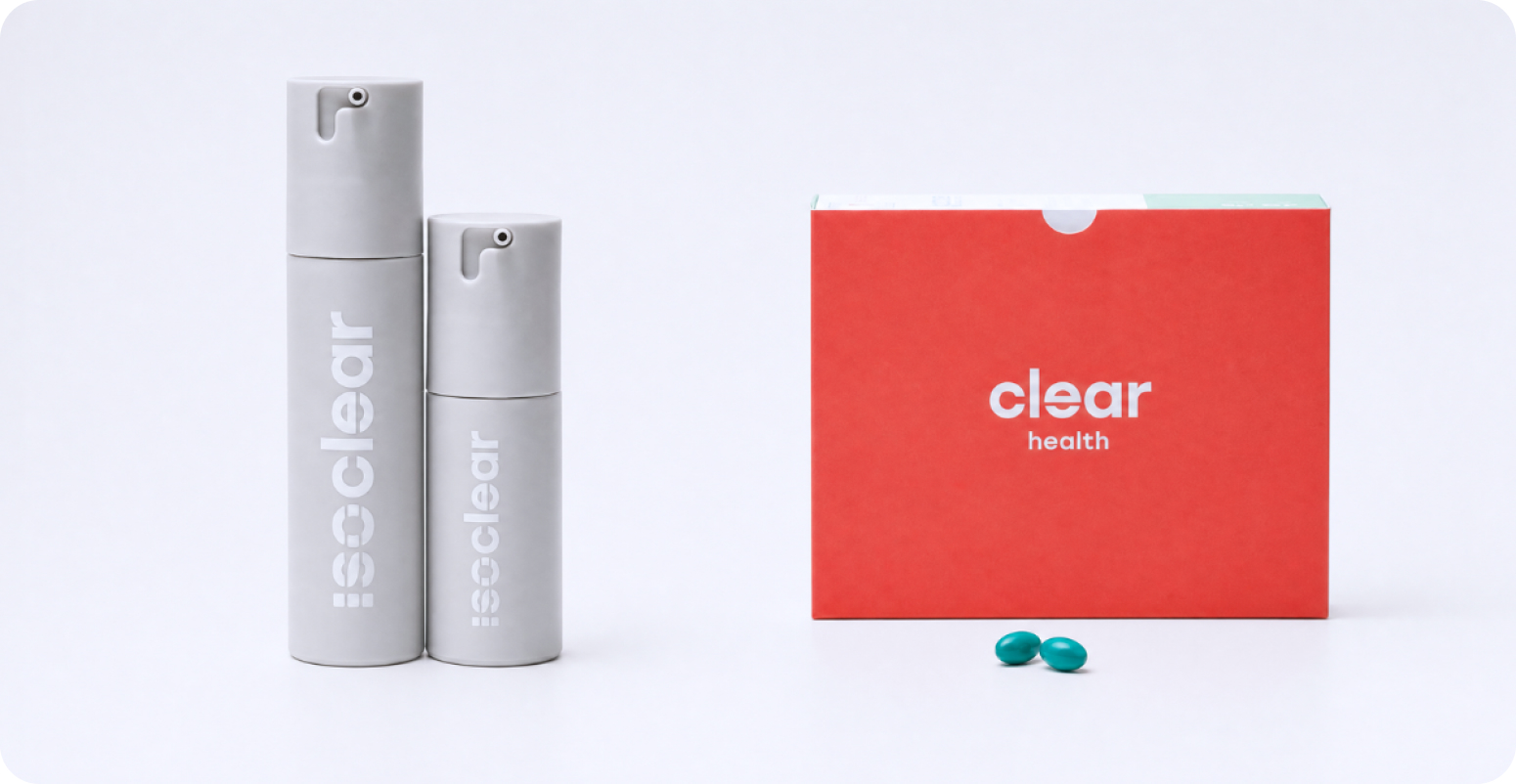
Here’s what you don’t need to do when starting Isoclear (& what you still need to do)
Written by Erika Morrison
Published on 10/02/2026
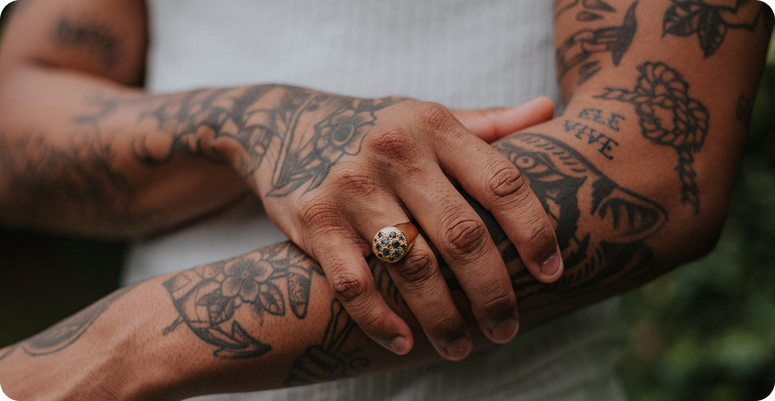
Can You Get a Tattoo or Piercing While on Accutane?
Written by Erika Morrison
Published on 09/25/2026
Prescription Topicals vs. Over-the-Counter Acne Products: Which Is Right for You?
Written by Erika Morrison
Published on 09/18/2026
View All