If you’re thinking about Accutane (also called oral isotretinoin), you might be wondering:
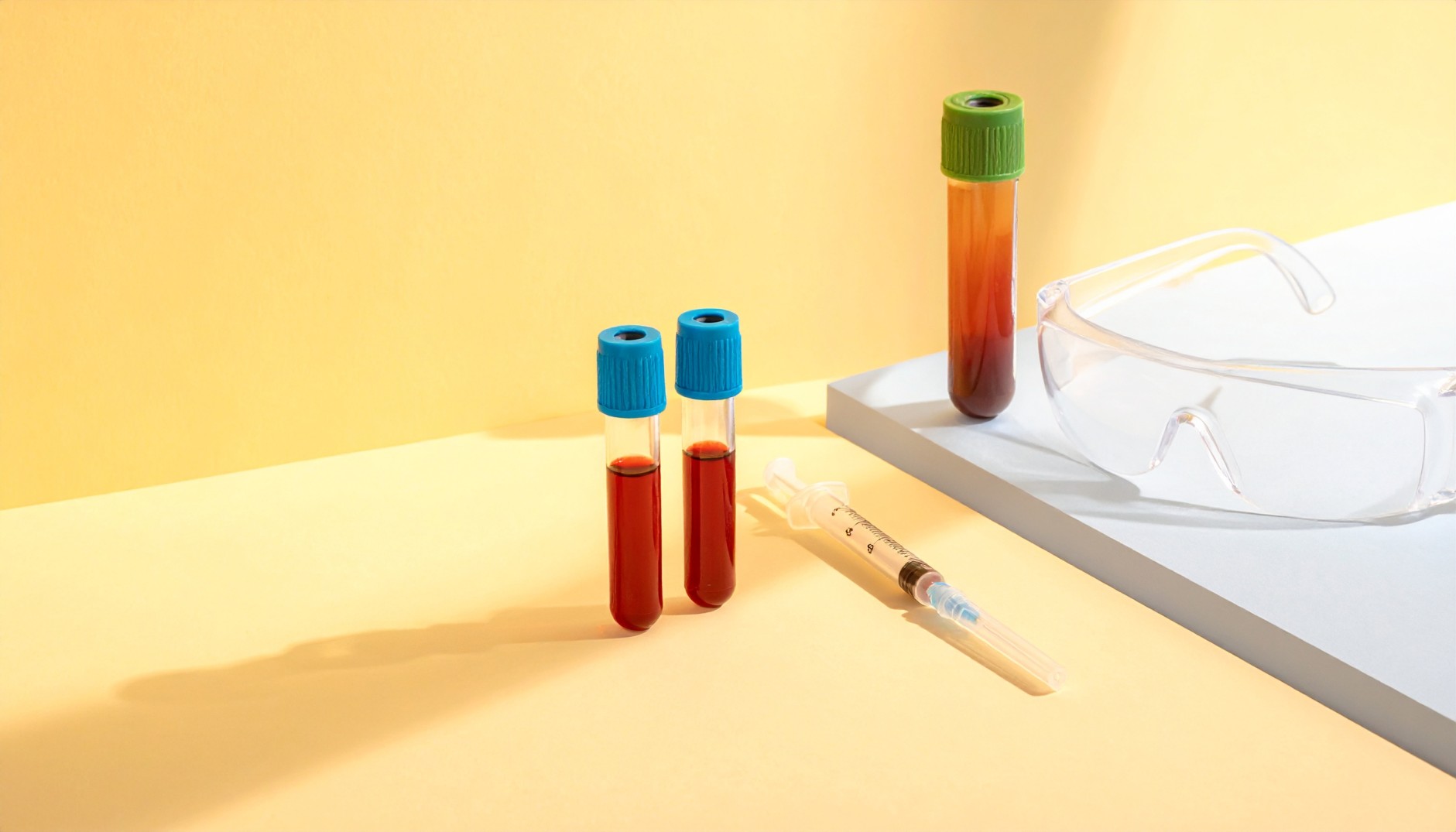
Do you need blood tests for Accutane?
Short answer: Yes, blood work is usually required, especially when starting isotretinoin and during treatment.
This guide breaks it down for you.
Why Are Blood Tests Needed for Accutane?
Accutane is a strong acne medication used for mild to severe persistent acne like acne vulgaris. It works by lowering oil production in your skin. Because it affects the body, doctors use laboratory tests to make sure it’s safe for you.
Blood tests help doctors:
- Check liver enzymes
- Watch cholesterol levels and total cholesterol
- Make sure there is no pregnancy (very important)
- See how your body is handling the medicine
What Blood Tests Are Done for Accutane?
Most patients receiving isotretinoin will have some or all of these tests:
- Pregnancy Test
- Required for anyone who can get pregnant
- Accutane can cause serious birth defects
- Usually done before starting and every 30 days
- Liver Function Tests
- Checks how your liver is working
- Looks at liver enzymes
- Accutane can stress the liver in some people
- Lipid Profile
- Measures fats in your blood
- Includes cholesterol levels and total cholesterol
- Accutane can raise these levels
- Blood Cell Counts
- Looks at red and white blood cells
- Helps catch rare side effects early
How Often Do You Need an Accutane Blood Test?
How often you need blood work depends on your doctor, your health history, and the dose you’re taking.
For many people on standard Accutane, blood tests are done before starting and again after the first 30 days, with some patients needing routine blood testing each month.
With lower-dose approaches, like Clear Health’s Micro-Dose Protocol, monitoring may look a little different. In some cases:
- Blood work is first completed after two months (if baseline labs are not requested by the dermatologist)
- Follow-up blood work is done every 6 months, as long as results stay within a safe range
If you are at higher risk (such as existing liver issues, high cholesterol, or other health conditions), your physician may recommend more frequent blood work, regardless of dose.
Your dermatologist uses your test results to decide what schedule is safest for you.
What If You Have a Failed Accutane Blood Test?
A failed Accutane blood test does not always mean you must stop treatment.
Your doctor may:
- Lower your dose
- Pause treatment
- Repeat the blood tests
- Give diet or lifestyle advice
Many test results improve with small changes.
Is All This Blood Work Really Necessary?
For most people, yes. These blood tests help doctors:
- Catch problems early
- Keep treatment safe
- Adjust the plan if needed
Accutane is very effective, but safety always comes first.
How Clear Health Helps Make Accutane Safer
With Clear Health, blood testing isn’t just a requirement. It’s part of our personalized care.
Clear Health’s board-certified dermatologists:
- Review your blood work and test results
- Decide how often labs are truly needed
- Adjust dosing based on your results and risk level
- Monitor treatment using evidence-based safety guidelines
You can learn more about how Clear Health approaches lab monitoring and patient safety here:
If you’re interested in a lower-dose option, Clear Health also offers a Micro-Dose Isotretinoin protocol, designed to clear acne while potentially minimizing side effects. Our prepaid options include 1st blood work, if requested by our physician.
Includes Evaluations + Medications
Micro-dose Accutane, Expert-Guided Treatment with All-Inclusive Care
Start Online EvaluationWorried that you're not a candidate? If the physician deems you ineligible for any treatments your initial consultation is FREE - we'll refund you in full automatically.
The Bottom Line
- Yes, bloodwork for Accutane is usually required
- Tests check liver health, cholesterol, and pregnancy status
- Not everyone needs monthly testing, but many do, especially early on
- Routine blood testing helps make Accutane safer and more effective
If you’re considering Accutane, working with a dermatologist who actively monitors your labs and adjusts treatment accordingly can make a big difference.
Educational only. Not medical advice. Always follow guidance from a licensed healthcare professional.