
Introducing
Isoclear™
topical Isotretinoin gel system

The Hollywood Dose
Micro-dose Protocol
for resistant acne

Who We Are
Our Story
FAQs
Contact Us
Blog
Explore
Success Stories
Standard Accutane vs Micro-dose Protocol
Pay over time with


For Emergencies:
Need emotional support? (24/7): Call or text 988
Emergency Services (24/7): Dial 911
View All
Isotretinoin (Accutane) Protocols
Standard Protocol
Micro-dose Protocol
Oral and Topical Treatments
Isoclear™
NewDoxycycline + Topical
Spironolactone + Topical
Compounded Topical
Supporting Products
Jojoba Oil Cleanser
Lightweight Moisturizer
Home Pregnancy Tests (6 ct)
Aquaphor (3 ct)
Who We Are
Our Story
FAQs
Contact Us
Blog
Explore
Success Stories
Standard Accutane vs Micro-dose Protocol
Pay over time with
For Emergencies:
Need emotional support? (24/7): Call or text 988
Emergency Services (24/7): Dial 911
Accutane and Your Liver: What Elevated Liver Enzymes Mean

Written byErika Morrison
Published on01/13/2026
Here’s what we’ll cover
- What is Accutane (isotretinoin), and why does the liver matter?
- Accutane and liver enzymes: what “elevated” usually means
- Why do liver enzymes go up?
- Accutane and liver function tests: what gets checked?
- When do you need liver function tests on Accutane?
- Accutane and liver toxicity: warning signs to take seriously
- Accutane and liver damage years later: what we know (and what we don’t)
- Common side effects vs. potential side effects: what’s “normal” on isotretinoin?
- Pregnancy tests, birth defects, and iPLEDGE: The non-negotiables
- Stopping the medication: when clinicians consider dose changes or holding treatment
- Why trying to get Accutane alone is stressful (and risky)
- Clear Health: a safer, simpler way to do isotretinoin care
- Quick FAQs
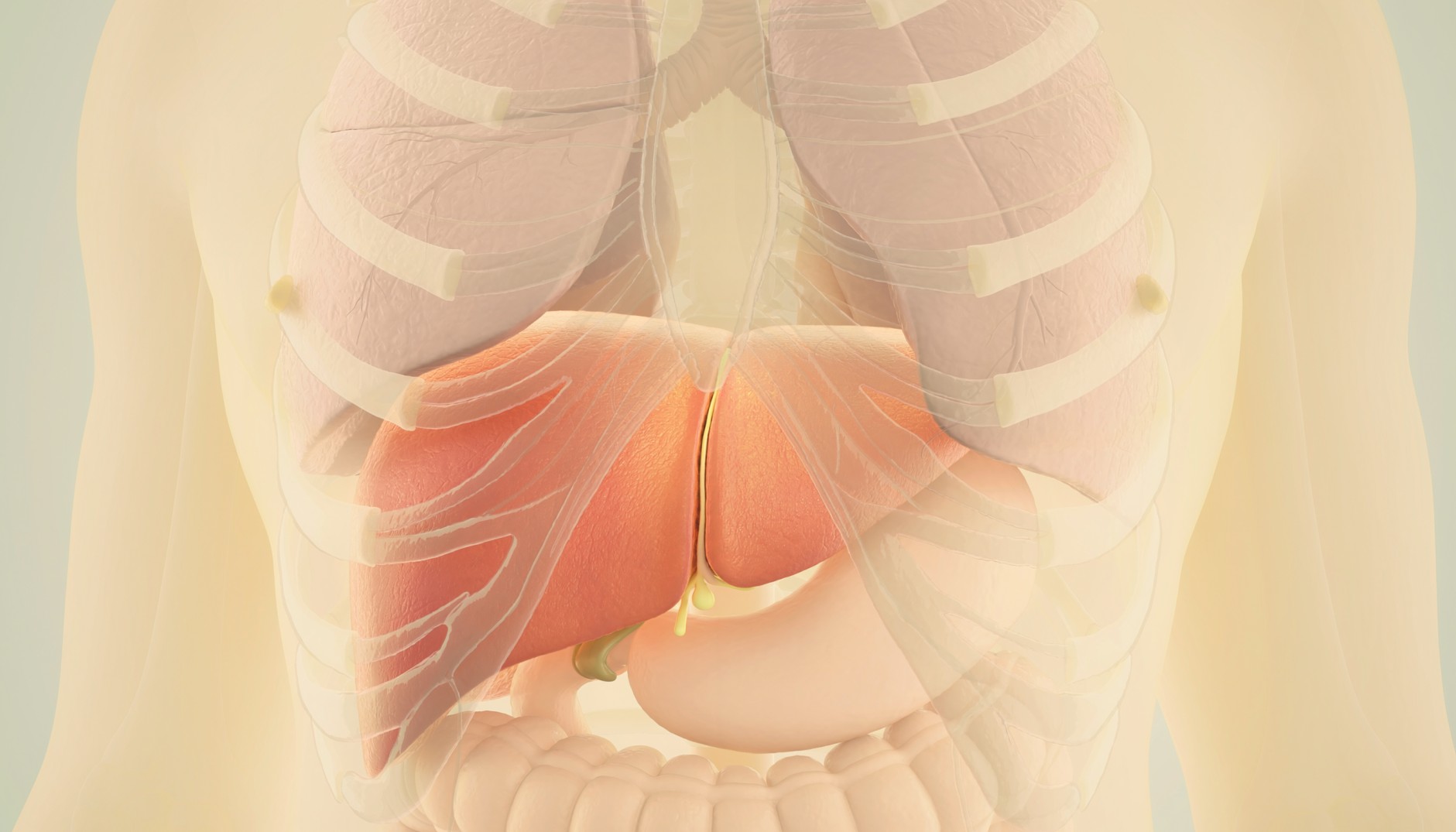
If you’re starting Accutane (isotretinoin) for stubborn acne, you’ve probably heard about blood tests, liver function tests, and scary stories about “liver damage years later.” Let’s break down what’s real, what’s rare, what your labs actually measure, and how to approach treatment safely. Especially if you’re trying to get isotretinoin without support.
Medical disclaimer: This article is for educational purposes and is not medical advice. Always follow guidance from a licensed clinician who knows your health history.
What is Accutane (isotretinoin), and why does the liver matter?
Isotretinoin (often referred to by the former brand name “Accutane”) is a vitamin A–derived medication used for severe or treatment-resistant acne. It can be highly effective, but it may also affect lab values, especially liver enzymes and blood lipids, which is why clinicians use liver function tests (LFTs) and other monitoring while you’re on treatment.
Accutane and liver enzymes: what “elevated” usually means
Many people worry that any increase in AST/ALT means “liver injury.” In reality:
- Mild elevations in liver enzymes (AST/ALT) can occur during isotretinoin therapy.
- Clinically significant liver injury is uncommon, and isotretinoin has not been convincingly linked to frequent cases of severe, jaundiced acute liver injury in the way some other retinoids have.
That said, “rare” doesn’t mean “impossible.” Monitoring exists so your clinician can spot risk early and adjust your plan.
Why do liver enzymes go up?
Liver enzymes like ALT (alanine aminotransferase) and AST (aspartate aminotransferase) can jump when liver cells are stressed or inflamed. With isotretinoin, this is often mild and reversible, especially when caught early with a routine accutane liver test schedule.
Accutane and liver function tests: what gets checked?
When people say “liver function tests,” they usually mean a panel that can include:
- ALT, AST (most commonly discussed “liver enzymes”)
- Alkaline phosphatase (ALP)
- Bilirubin
- Sometimes albumin and other markers depending on the lab panel
Your clinician may also monitor lipids (cholesterol/triglycerides) because isotretinoin can affect them too.
When do you need liver function tests on Accutane?
Monitoring practices vary by clinician and patient risk profile, but common evidence-based patterns include:
- Baseline labs before starting isotretinoin
- A follow-up check after starting (often around the time dose is established or increased)
- Additional testing based on results, symptoms, and medical history
Some dermatology experts say that for many healthy patients, doctors may check liver and cholesterol blood tests before starting Accutane, then check them again later during treatment, especially when the dose is higher. Other patients may need more frequent blood tests if they have a higher health risk.
This isn’t something you should manage on your own.
At Clear Health, a board-certified dermatologist reviews your health history, starting lab results, medication dose, supplements, alcohol use, and any liver conditions to decide exactly when and how often your blood tests are needed, so your treatment stays safe and personalized.

Micro-dose Accutane, Expert-Guided Treatment with All-Inclusive Care
Start Online EvaluationWorried that you're not a candidate? If the physician deems you ineligible for any treatments your initial consultation is FREE - we'll refund you in full automatically.
Accutane and liver toxicity: warning signs to take seriously
Most people on isotretinoin experience dry skin and other predictable side effects, but contact a clinician urgently if you notice symptoms that could suggest a more serious issue, such as:
- Abdominal pain (especially right upper abdomen)
- Dark urine
- Yellowing skin/eyes (jaundice)
- Persistent nausea/vomiting, severe fatigue
These symptoms can have many causes, but they’re not something to “wait out.”
Accutane and liver damage years later: what we know (and what we don’t)
This is one of the most searched concerns: “accutane and liver damage years later.”
What the medical literature consistently supports is:
- Isotretinoin can cause mild enzyme elevations during treatment, usually detected on labs.
- Serious, persistent liver injury appears uncommon, and severe cases are not considered typical outcomes when properly monitored.
However, if someone develops liver problems years later, it’s complicated. Other factors (alcohol use, viral hepatitis, metabolic disease, medication/supplement use, etc.) can drive liver disease. That’s why the safest approach is structured monitoring during treatment and follow-up with a clinician if there are ongoing concerns.
Common side effects vs. potential side effects: what’s “normal” on isotretinoin?
Common side effects
- Dry skin, dry lips, dry eyes
- Sun sensitivity (many people benefit from protective clothing and sunscreen)
- Skin irritation
Potential side effects (more serious, need clinician oversight)
- Lab abnormalities (lipids, elevated liver enzymes)
- Mood changes or mental health symptoms (important to discuss early)
- Other less common but important risks listed in prescribing information
If you’re struggling, don’t guess, tell your care team.
Pregnancy tests, birth defects, and iPLEDGE: The non-negotiables
Isotretinoin is highly teratogenic, meaning it can cause severe birth defects if taken during pregnancy.
In the U.S., isotretinoin is dispensed under the iPLEDGE REMS program to reduce fetal exposure risk.
For patients who can become pregnant, requirements include pregnancy testing at specific times (before starting and then ongoing per program requirements).
If you’ve ever felt tempted to “figure it out on your own,” this is the clearest reason not to.
Stopping the medication: when clinicians consider dose changes or holding treatment
People often ask: “If my accutane liver test is abnormal, do I have to stop?”
Not necessarily. In many cases, clinicians may:
- Re-check labs to confirm
- Adjust the dose
- Review alcohol use, supplements (especially high-dose vitamin A), and other meds
- Temporarily pause (stopping the medication) if labs are concerning or symptoms appear
This is exactly why supervised care matters: decisions are individualized, not one-size-fits-all.
Why trying to get Accutane alone is stressful (and risky)
Even when isotretinoin is the right acne treatment, doing it without a coordinated process can be brutal:
- Confusion about blood test timing
- Trouble finding a lab
- Pharmacy delays
- iPLEDGE steps
- Anxiety about side effects or mental health changes
- Uncertainty about what “elevated liver enzymes” actually means
You deserve a plan and a team.
Clear Health: a safer, simpler way to do isotretinoin care
If you’re considering isotretinoin (including micro-dose options), Clear Health is built to remove the friction while keeping safety front and center.
- Guided, clinician-led acne treatment with a clear step-by-step process (so you’re not guessing your way through labs, requirements, and refills)
- Support that helps you navigate logistics, including common pharmacy and coordination hassles, so you’re not doing everything alone
- Monitoring-focused care that emphasizes responsible use (labs, check-ins, and safety education)
Ready to start your accutane journey?
Clear Health’s first-month promo can help you begin treatment with less stress and lower upfront cost:
- First month free (evaluation + medication included. Just handle the shipping & handling fee!)
- First blood lab work included if requested by the physician
- Free skincare bundle!
*Available on subscription plans when filling through the Clear Health™ pharmacy network. Prescription products require a medical consultation. New subscribers only. Terms & conditions apply.
Quick FAQs
1. Does Accutane increase the risk of liver problems?
It can increase liver enzymes in some people, which is why labs are monitored. Severe liver injury appears uncommon, but monitoring is essential.
2. What liver function tests are done for Accutane?
Typically ALT/AST (and sometimes bilirubin/ALP), often alongside a lipid panel.
3. How often do I need an accutane liver test?
Often at baseline and again after starting/at a key point in dosing. Your clinician tailors frequency to your risk profile and results.
4. Why are pregnancy tests required?
Because isotretinoin can cause severe birth defects and is regulated through iPLEDGE in the U.S.
- National Institutes of Health (NIH).LiverTox: Isotretinoin and Other Retinoids. National Center for Biotechnology Information (NCBI)
- U.S. Food and Drug Administration (FDA).Isotretinoin (Accutane) Prescribing Information and Teratogenicity Warnings. FDA Access Data.
- iPLEDGE REMS Program.Isotretinoin Risk Evaluation and Mitigation Strategy (REMS) and Prescriber Best Practices.
- Journal of the American Academy of Dermatology (JAAD).Laboratory Monitoring Practices for Patients Treated With Isotretinoin.
- StatPearls Publishing. Isotretinoin. National Center for Biotechnology Information (NCBI).
- PubMed Central (PMC).Peer-Reviewed Studies on Isotretinoin Monitoring, Liver Enzyme Changes, and Safety Outcomes.
Related Stories
Oral Accutane vs. Isoclear (Topical Isotretinoin)
Written by Michael Chang
Published on 10/16/2026
Can You Wear Makeup on Accutane?
Written by Erika Morrison
Published on 10/09/2026

Here’s what you don’t need to do when starting Isoclear (& what you still need to do)
Written by Erika Morrison
Published on 10/02/2026
View All