
- Shop
- Isotretinoin (Generic Accutane) Protocols
- Standard Protocol
- Micro-Dose Protocol
- Oral and Topical Treatments
- Doxycycline + Topical
- Spironolactone + Topical
- Compounded Topical Cream
- About
- FAQs
- Contact Us
- Blog


Why Guys in Their 20s & 30s Still Get Acne?

Written byErika Morrison
Published on10/31/2025
Here’s what we’ll cover
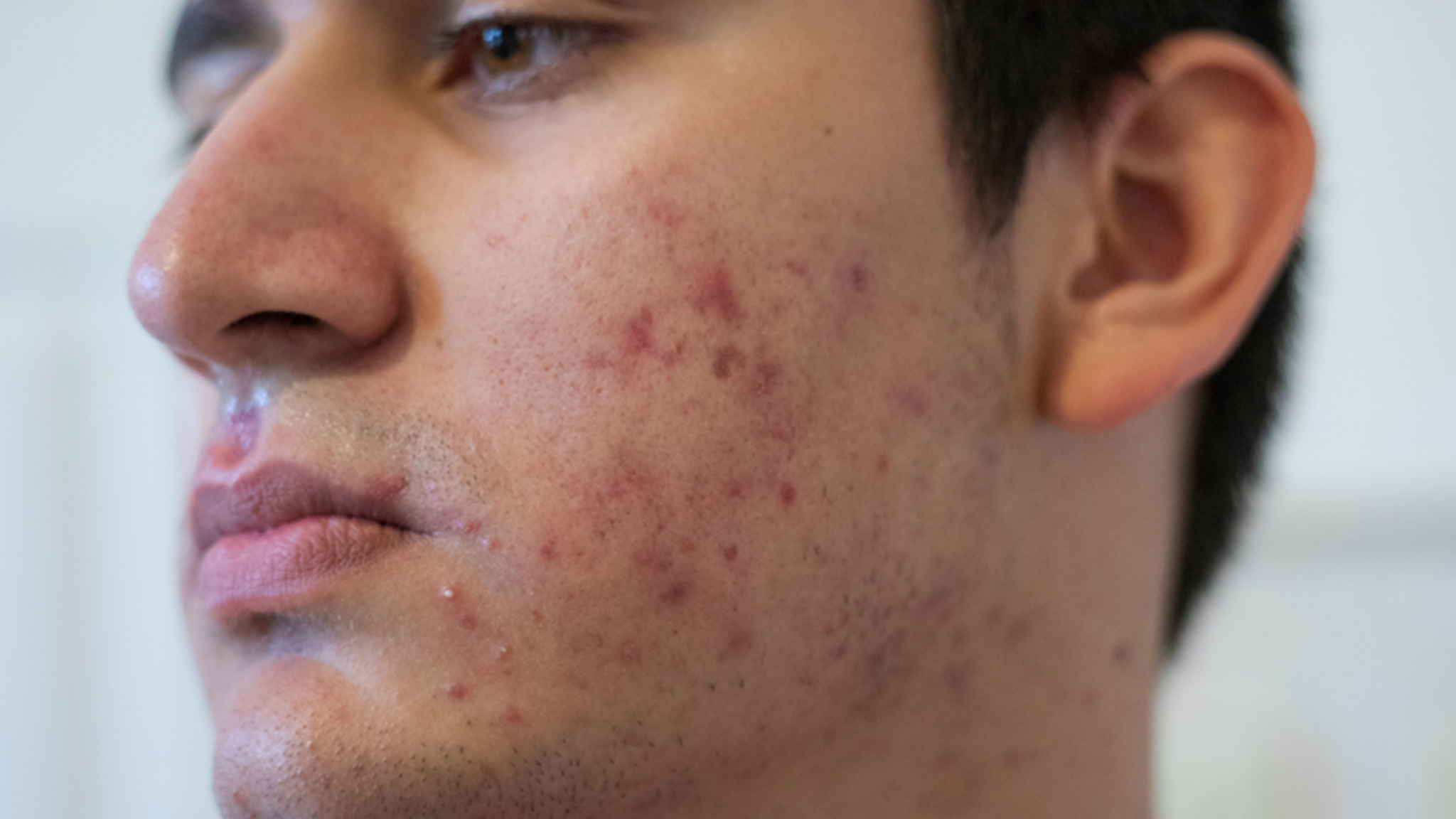
Acne isn’t just a teen problem. Men in their 20s, 30s, and beyond can suffer from adult acne in men, male pimples, and even male cystic acne in 30s. This article explains why you might be getting acne in your 30s as a male, what plays a role, and how to treat it.
What Causes Acne in Men?
Acne forms when hair follicles (pores) get clogged by oil, dead skin cells, and bacteria. The oil glands (sebaceous glands) are involved, and they produce sebum. When too much oil is made, it can clog your pores and lead to breakouts.
Men often make more sebum because of testosterone and other male hormones (androgens).
Hormonal fluctuations? Yes, men have them too! It can cause changes in oil production, especially in your 20s and 30s.
So yes, men can have hormonal acne. Variations in testosterone levels or sensitivity in the skin to androgens can trigger breakouts.
Also, some men develop acne later (in their 30s) because of stress, changes in lifestyle, or even shifting hormone levels. That may explain “why am I getting acne in my 30s male”.
Acne in Your 20s vs. 30s: What’s Different?
- Male acne in your 20s: Acne doesn’t always end after high school. In your 20s, higher testosterone and active oil glands can keep your skin oily, leading to blackheads, whiteheads, and body acne on the chest or back, especially if you sweat often or use heavy grooming products. A simple routine with gentle cleansing and oil control helps prevent clogged pores.
- Male acne in your 30s (adult acne in men): Breakouts can become deeper, more persistent, and appear on the chin, jawline, or back. Stress, hormones, and lifestyle factors play a bigger role, and some men may need treatments like low-dose isotretinoin for lasting results. Men in their 30s may also notice more acne scars from past breakouts, because deep or cystic acne tends to damage skin more.
Common Patterns & Types in Men
- Chin acne in men: Hormonal acne often shows up along the jawline or chin.
- Male cystic acne in 30s: When breakouts are large, painful, and deep.
- Male hormonal acne: Caused or worsened by hormone issues.
- Acne breakouts: The episodic flares you see.
- Worsen acne / acne worse: Things that irritate the skin, clog pores, or increase oil make acne worse.
Things That Can Worsen Acne
- Using skincare or hair products that are heavy, greasy, or clog your pores Irritate the skin through over-scrubbing or harsh products.
- Stress, lack of sleep, or poor diet.
- Friction (e.g. tight clothes, backpacks) causing irritant acne or acne mechanica.
- Steroid use or hormone therapy (some men who use anabolic steroids get severe acne).
How to Get Rid of Pimples for Guys: Skincare Routine & Treatments
A good skincare routine tailored to your skin type (especially oily skin) is key. Here’s a simple, safe plan:
(1) Cleansing / washing your face: Use a gentle, non-comedogenic cleanser twice a day. Don’t over-wash.
(2) Topical treatments: Ingredients like salicylic acid, benzoyl peroxide, retinoids, or antiandrogen topicals can help. Newer options like clascoterone cream (Winlevi) target androgen receptors to reduce oil.
(3) Low-dose isotretinoin: For men with persistent or hormonal acne, low-dose isotretinoin (also called “micro-dosed” or “maintenance” isotretinoin) is one of the most effective long-term solutions. It works by shrinking oil glands, reducing inflammation, and preventing future breakouts, while potentially minimizing harsh side effects often seen at higher doses.
Micro-dose Accutane, Expert-Guided Treatment with All-Inclusive Care
Start Online EvaluationWorried that you're not a candidate? If the physician deems you ineligible for any treatments your initial consultation is FREE - we'll refund you in full automatically.
(4) Moisturizer: Use a light, non-comedogenic moisturizer to prevent irritation.
(5) Sun protection: A non-greasy sunscreen helps; sun damage can worsen scars.
(6) Avoid over-exfoliating, harsh scrubs, or overly strong alcohol-based products (they irritate).
(7) Lifestyle: Sleep well, reduce stress, eat balanced diet, avoid clogging products.
If acne is moderate or severe, see a dermatologist. They might use oral medications, stronger topical treatments, or hormonal therapy.
Why Micro-Dose Protocol (Clear Health’s Approach) Might Help
At Clear Health, our Micro-Dose Protocol is designed especially for men who struggle with persistent acne.
- We use low, carefully calibrated doses of active ingredients to reduce irritation while still targeting acne causes.
- We tailor the mix to your skin type, oil level, and sensitivity, so it doesn’t worsen acne by overdoing it.
- Our approach supports skin barrier health and reduces redness while attacking clogged pores and oil.
- Because many men worry about irritation, especially with active products, this micro-dosing helps you build tolerance gently.
If you’re tired of guessing what works, the Micro-Dose Protocol offers a smarter, gentler path.
👉 Try Clear Health’s Micro-Dose Protocol today. See how a smarter, tailored approach can help your skin clear up without over-stripping or triggering more breakouts.
- Harvard Health Publishing. Adult acne: Understanding underlying causes and banishing breakouts. Harvard.edu
- UPMC Health. Can Testosterone Cause Acne? share.upmc.com
- Medical News Today. Hormonal acne in men: Causes, treatment, and prevention. medicalnewstoday.com
- Healthline. Does Testosterone Cause Acne? healthline.com
- WebMD. Acne in Men: Causes, Treatments, and Prevention. webmd.com
- Wikipedia. Acne mechanica. en.wikipedia.org
- Wikipedia. Clascoterone. en.wikipedia.org
- Amichai B., Shemer A., Grunwald M. (2006).Low-dose isotretinoin in the treatment of acne vulgaris.Journal of the American Academy of Dermatology, 54(4), 644–646. PubMed
Related Stories
Can Accutane Make You Lose or Gain Weight? Here’s the Truth
Written by Erika Morrison
Published on 04/03/2026
Why You Might Get a Red Face from Accutane?
Written by Erika Morrison
Published on 03/20/2026
Does Accutane Cause You Dandruff?
Written by Erika Morrison
Published on 03/12/2026
View All