
- Shop
- Isotretinoin (Generic Accutane) Protocols
- Standard Protocol
- Micro-Dose Protocol
- Oral and Topical Treatments
- Doxycycline + Topical
- Spironolactone + Topical
- Compounded Topical Cream
- About
- FAQs
- Contact Us
- Blog


Why Am I Breaking Out After Accutane?

Written byErika Morrison
Published on12/12/2025
Here’s what we’ll cover
- How Accutane Works (and Why Acne Can Return)
- Can Acne Come Back After Accutane?
- How to Tell if Acne Is Coming Back After Accutane
- Why Does Acne Come Back After Accutane?
- What to Do If Acne Comes Back After Accutane
- Long-Term Skin Health After Isotretinoin
- When to See a Dermatologist
- Personalized Acne Care, Made Simple
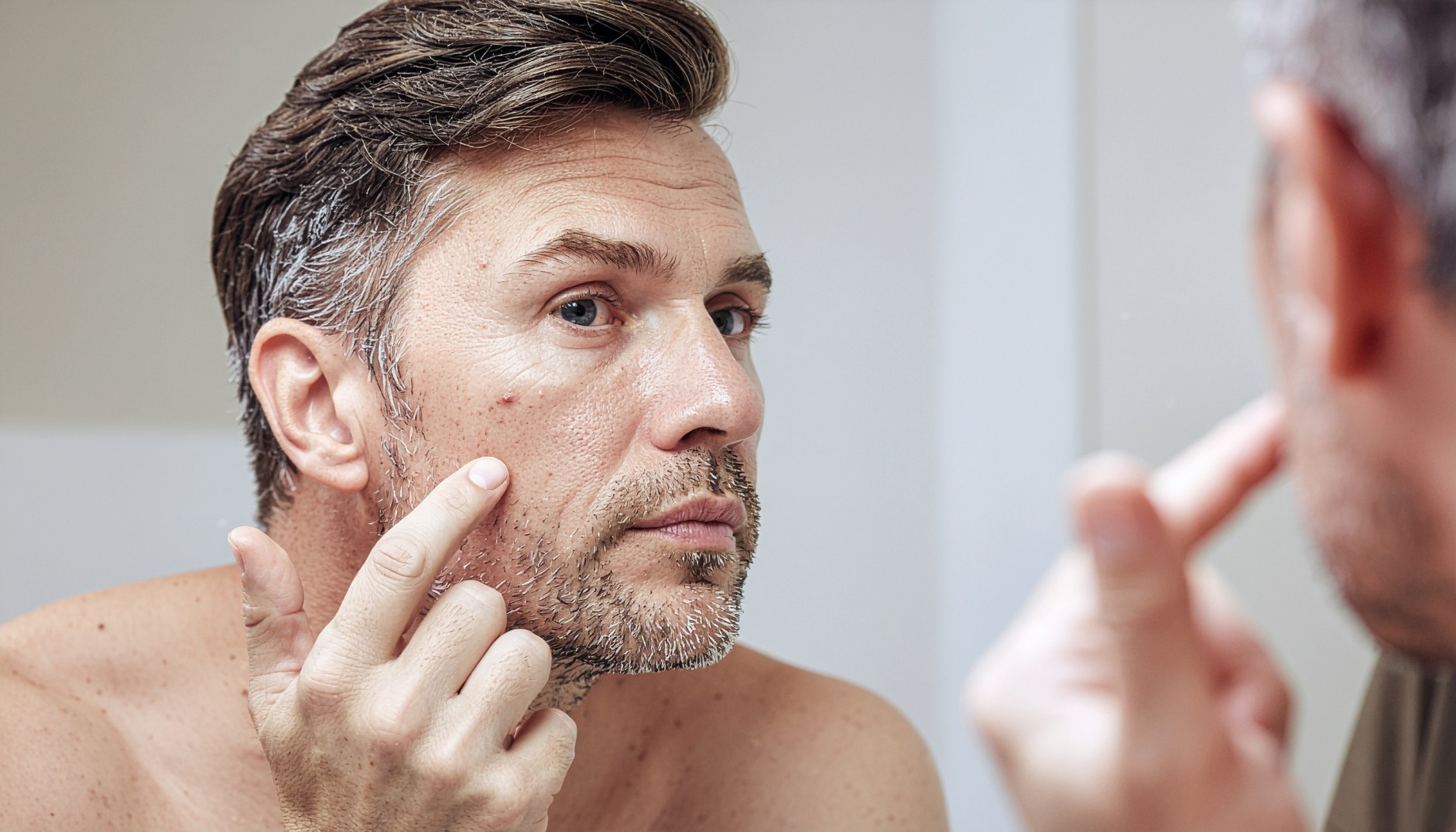
Accutane (isotretinoin) is one of the most effective oral acne treatments for people who’ve tried everything else. For many, it’s the end of a long acne journey. But sometimes, months after finishing treatment, new breakouts appear, leaving you wondering: “Why is my acne coming back after Accutane?”
If that’s you, you’re not alone. Here’s what you need to know about acne coming back after Accutane, what causes it, and how to treat it, even from the comfort of your home with acne treatment online.
How Accutane Works (and Why Acne Can Return)
Accutane (also called isotretinoin) works by shrinking your sebaceous glands, which dramatically reduces sebum production: The oil that clogs pores and leads to acne. It also helps prevent dead skin cells from blocking pores and reduces inflammation.
In most cases, this effect is long-term. But for some, acne returns after isotretinoin because oil glands slowly become active again, or because of hormonal or environmental triggers.
Can Acne Come Back After Accutane?
Yes, acne can come back after Accutane, though usually it’s milder than before treatment. Studies show 20–30% of patients experience acne returning after isotretinoin, depending on their dose, treatment length, and hormonal balance.
Some even experience breaking out after stopping Accutane for one month, which can be a short-term flare as the body adjusts.
Common causes include:
- Shorter courses or low doses of isotretinoin
- Hormonal acne (often in adult women)
- Increased sebum production post-treatment
- Underlying genetics
- Damaged skin barrier or poor post-Accutane care
How to Tell if Acne Is Coming Back After Accutane
You might be seeing signs your acne is returning if:
- You notice whiteheads or blackheads reappearing
- Your skin feels oilier again
- Small pimples show up on the same areas as before
- You feel rough texture or clogged pores
If these symptoms appear, your skin may need maintenance care or ongoing treatment to prevent a full relapse.
Why Does Acne Come Back After Accutane?
Here are the main reasons why acne returns after Accutane:
1. Hormonal fluctuations
Changes in testosterone, estrogen, or cortisol can increase oil gland activity, causing hormonal acne to resurface, especially around the jawline or chin.
2. Incomplete treatment course
If your cumulative isotretinoin dose wasn’t high enough, oil glands may recover faster, leading to a post-Accutane breakout.
3. Skincare after Accutane
Using harsh scrubs, alcohol-based toners, or skipping moisturizer can damage your skin barrier, making you prone to irritation and inflammation.
4. Lifestyle factors
Stress, diet, lack of sleep, or heavy makeup can also increase the risk of acne returning after Accutane.
What to Do If Acne Comes Back After Accutane
If you’re seeing pimples after Accutane, don’t panic! There are effective ways to keep your skin clear.
1. Maintain with topical retinoids
Topical retinoids like adapalene or tretinoin keep pores clear and reduce acne recurrence. They’re also helpful for acne scarring and skin texture. See if you're eligible for a compounded topical cream.
2. Protect your skin barrier
Use gentle, non-comedogenic moisturizers with ceramides or panthenol. Avoid products with alcohol or fragrance
3. Prioritize sun protection
Post-Accutane skin is sensitive to UV damage. Apply SPF 30+ daily to prevent irritation, dryness, and post-inflammatory hyperpigmentation.
4. Avoid harsh actives
Hold off on benzoyl peroxide, AHAs, or BHAs right after treatment, they can worsen dryness and delay healing.
5. Consider maintenance micro-dosing
Some dermatologists recommend a low-dose Accutane or “micro-dose protocol” to maintain results without major side effects.
At Clear Health, our board-certified dermatologist may prescribe a gentle, low-dose Accutane treatment online designed to control oil production with fewer side effects. See if you're eligible for a low-dose isotretinoin treatment
Micro-dose Accutane, Expert-Guided Treatment with All-Inclusive Care
Start Online EvaluationWorried that you're not a candidate? If the physician deems you ineligible for any treatments your initial consultation is FREE - we'll refund you in full automatically.
Long-Term Skin Health After Isotretinoin
Even if your acne returns, it doesn’t mean Accutane “failed.” The medication can still deliver long-term improvements in oil control, scarring, and overall skin health. You may just need a personalized maintenance plan to stay clear.
Working with a board-certified dermatologist online can help you find a balance between topical care, hormonal treatments, and lifestyle changes.
When to See a Dermatologist
If your acne is coming back or you’re unsure what’s normal after isotretinoin, talk to a professional.
An expert can determine whether your acne is hormonal, bacterial, or barrier-related, and whether you’d benefit from a topical retinoid, hormonal therapy, or a low-dose isotretinoin regimen.
Personalized Acne Care, Made Simple
If you’re noticing breakouts after Accutane or acne coming back post-treatment, don’t go through it alone.
Our board-certified dermatologists at HelloClearHealth.com specialize in online acne treatment that’s personalized to your skin - from gentle micro-dosing to advanced post-Accutane maintenance care.
👉 Book your online dermatology visit now →
- Zouboulis, C. C. (2009). Sebaceous gland physiology and pathophysiology. American Journal of Clinical Dermatology, 10(6), 441–462.
- Layton, A. M. (2009). The use of isotretinoin in acne. Dermato-Endocrinology, 1(3), 162–169.
- Dréno, B. et al. (2014). Maintenance therapy in acne: Current status and future perspectives. Dermatologic Therapy, 27(6), 377–382.
- American Academy of Dermatology Association (AAD). “Isotretinoin: What you should know.” https://www.aad.org
- Baldwin, H. E. (2012). Treatment of acne vulgaris with isotretinoin: recommendations and precautions. Journal of Clinical and Aesthetic Dermatology, 5(9), 44–49.
Related Stories
Can Accutane Make You Lose or Gain Weight? Here’s the Truth
Written by Erika Morrison
Published on 04/03/2026
Why You Might Get a Red Face from Accutane?
Written by Erika Morrison
Published on 03/20/2026
Does Accutane Cause You Dandruff?
Written by Erika Morrison
Published on 03/12/2026
View All