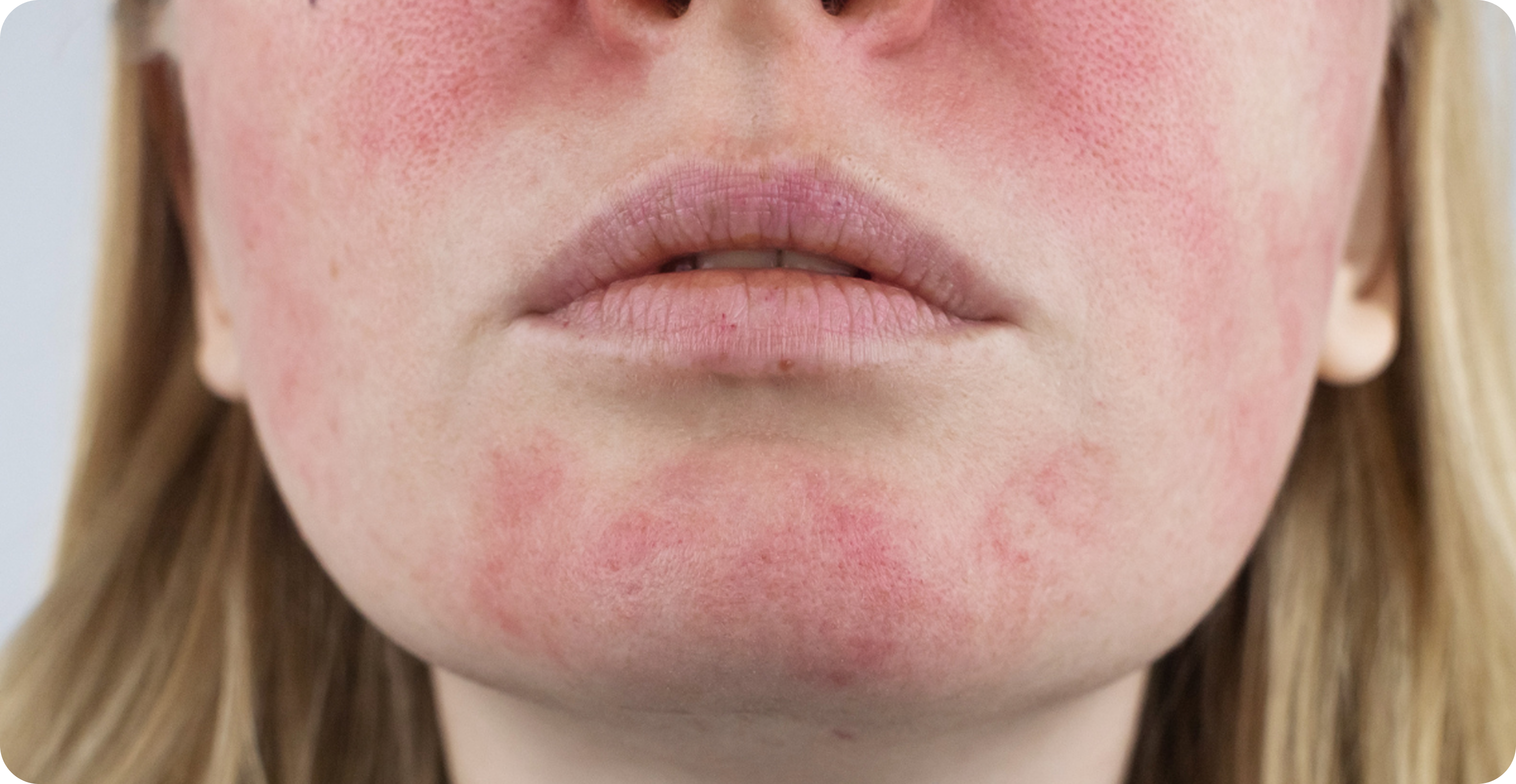
If you are on Accutane treatment or thinking about it, you may have heard about red face from Accutane. Accutane (also called isotretinoin) is a strong medicine used for cystic acne and active acne. It helps many people when other treatments fail.
But it can cause side effects. Some people get a red face or Accutane red marks. These are common and often happen because Accutane affects your skin at a deep level.
What Causes a Red Face from Accutane?
Accutane is a vitamin A derivative that works by shrinking the sebaceous glands, for less sebum production and oil production. These glands make the oil that can clog pores and lead to acne.
When oils drop, the skin gets dry skin and can become irritated. This can cause redness and dry patches.
Also, Accutane can make skin more sensitive to sunlight, heat, and rubbing. That leads to inflammation, which shows as a red face or dark spots called post inflammatory hyperpigmentation.
Why Does Your Skin Look Red After Acne?
When you have acne, your skin gets inflamed. After the acne clears, your skin still may be red or darker in those spots. This is called post-inflammatory hyperpigmentation. It is not exactly a scar, but it can look like one.
Other Common Accutane Side Effects
- Dry skin
- Chapped lips
- Itchy skin
- Nosebleeds
- More sensitive skin
These happen because Accutane slows down oil production and changes how skin cells grow and shed.
Can Accutane Help Prevent Future Breakouts?
Yes, accutane helps by preventing clogged pores, reducing the oil that feeds acne. Over time, this reduces acne and stops new breakouts.
What Happens to Your Skin After Accutane?
After finishing Accutane, your skin can still be dry for some time. Some red marks may fade, but others take longer. If you see dark spots or marks, remember many people get post accutane changes that improve with time.
How to Treat Red Marks and Scars
If you have marks left from acne, there are options to make them look better:
Laser treatment can help reduce scars and dark spots. A board certified dermatologist can tell you which laser is best.
Other treatments can include:
- Gentle creams
- Moisturizers
- Light therapy
- Microneedling
These help with treatment for acne scarring and improve skin texture.
Good News for Skin Healing
The good news is that most red marks and acne scars improve with time, proper care, and the right treatment plan. Your skin has a strong ability to repair itself, and with patience and consistent treatment, many people see their skin gradually become smoother and more even in tone.
One approach dermatologists increasingly use is low-dose isotretinoin, sometimes called The Micro-dose protocol. Instead of the traditional higher daily doses, smaller doses are taken over a longer period. Research suggests this approach can still effectively improve acne while potentially reducing the intensity of common side effects like dry skin and chapped lips, since many isotretinoin side effects are dose-dependent.
Because of this, some dermatologists use lower-dose regimens for patients who want effective acne treatment with better tolerability. Approaches like Clear Health’s Micro-Dose Protocol follow this principle, using carefully managed low doses of isotretinoin to treat acne while aiming to minimize unnecessary discomfort.
Includes Evaluations + Medications
Micro-dose Accutane, Expert-Guided Treatment with All-Inclusive Care
Start Online EvaluationWorried that you're not a candidate? If the physician deems you ineligible for any treatments your initial consultation is FREE - we'll refund you in full automatically.
How Clear Health Can Help
At Clear Health, we make acne care easy and personal. Our experts help you with:
- Customized acne treatment plans
- 24/7 Nurse line support through your Accutane treatment
- Tips to prevent clogged pores
- Advice for dry skin and redness
- Help finding the right scar treatment
Visit helloclearhealth.com to get started with a plan made just for you. Clear Health helps real people get real results with a clear path to better skin.
Book an Appointment with
a Dermatologist
Every Clear Health treatment begins with a licensed, board-certified dermatologist reviewing your skin and guiding your care - safely, thoughtfully, and personally.
Start Online Evaluation
Key Takeaways
- Accutane can help with severe acne but may cause red face from Accutane and dry skin.
- Red marks may be from inflammation or post-inflammatory hyperpigmentation.
- Accutane works by reducing oil production and sebum production, helping prevent future breakouts.
- A board certified dermatologist can help with laser treatment and other scar options.
- Most skin changes improve with time, care, and the right treatment.