
Introducing
Isoclear™
topical Isotretinoin gel system

The Hollywood Dose
Micro-dose Protocol
for resistant acne

Who We Are
Our Story
FAQs
Contact Us
Blog
Explore
Success Stories
Standard Accutane vs Micro-dose Protocol
Pay over time with


For Emergencies:
Need emotional support? (24/7): Call or text 988
Emergency Services (24/7): Dial 911
View All
Isotretinoin (Accutane) Protocols
Standard Protocol
Micro-dose Protocol
Oral and Topical Treatments
Isoclear™
NewDoxycycline + Topical
Spironolactone + Topical
Compounded Topical
Supporting Products
Jojoba Oil Cleanser
Lightweight Moisturizer
Home Pregnancy Tests (6 ct)
Aquaphor (3 ct)
At-Home LFT + Lipid Panel Bloodwork Kit
Who We Are
Our Story
FAQs
Contact Us
Blog
Explore
Success Stories
Standard Accutane vs Micro-dose Protocol
Pay over time with
For Emergencies:
Need emotional support? (24/7): Call or text 988
Emergency Services (24/7): Dial 911
Skin Purging vs Breakout: How to Know What’s Happening to Your Skin

Written byErika Morrison
Published on06/05/2026
Here’s what we’ll cover
- What is skin purging?
- Is purging a real thing?
- What does purging skin look like?
- Skin purging vs breakout: what’s the difference?
- Purging vs breaking out: how to tell
- How long does skin purging last?
- What ingredients can cause skincare purging acne?
- Is skin purging good?
- When is it not skin purging?
- What to do during skin purging
- Should you stop using the product?
- What if acne keeps coming back?
- Key Takeaway
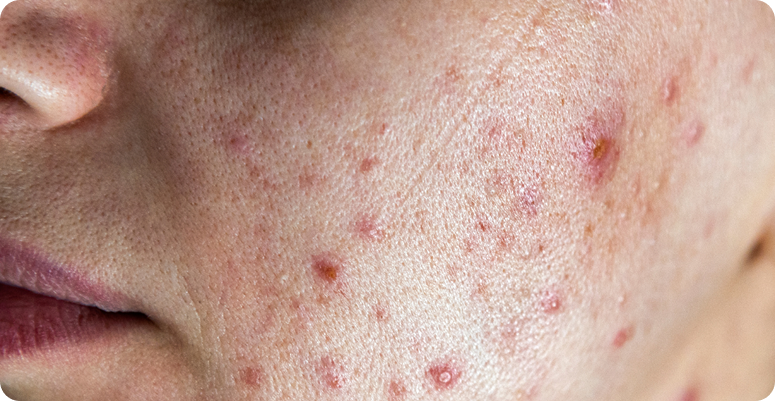
Starting a new skincare routine can feel exciting… until your skin suddenly looks worse.
Maybe you added salicylic acid. Maybe you started using chemical exfoliants. Maybe you tried a new acne treatment and now you’re wondering:
Is this skin purging or a breakout?
The difference matters. Skin purging vs breakout confusion is common because both can look like sudden acne breakouts. But skin purging is usually a temporary adjustment period that may happen when certain ingredients speed up skin cell turnover. A regular breakout, irritation, or allergic reaction may mean the skin care product is not right for your skin.
Here’s how to tell the difference.
What is skin purging?
Skin purging is a temporary increase in acne-like bumps after starting a new skincare product or acne treatment that speeds up cell turnover.
The simple skin purge meaning is this: certain ingredients may help bring clogged pores to the surface faster. Breakouts that were already forming under the skin’s surface may show up sooner than expected.
This is why some people ask, “Does acne get worse before it gets better?” In some cases, yes. With certain acne treatments, purging acne may happen before the skin starts to improve.
That does not mean every breakout is purging, though. Sometimes your skin is simply breaking out, irritated, or reacting badly to a product.
Is purging a real thing?
Yes, purging is a real thing, but it only happens with certain types of ingredients.
Skin purging is usually linked to products that increase skin cell turnover or exfoliation, such as retinoids, salicylic acid, and chemical exfoliants like alpha hydroxy acids, or AHAs.
These ingredients may help move congestion from the pores to the surface faster. That can make it seem like your acne is getting worse, even though the product may be helping clear what was already forming underneath.
What does purging skin look like?
A common question is: what does purging skin look like?
Purging can look like:
- Small pimples
- Whiteheads
- Blackheads
- Tiny bumps
- A sudden increase in acne
- Breakouts in areas where you usually get acne
So, what does purging look like compared with a regular breakout? The biggest clue is location.
If you usually break out on your chin, jawline, cheeks, or forehead, a purge will usually show up in those same areas. If you suddenly start breaking out in places where you normally do not get acne, it may be a regular breakout instead.
A purging face may look worse at first, but the bumps often come to the surface and resolve faster than your usual acne.
Skin purging vs breakout: what’s the difference?
Here’s the easiest way to understand skin purging vs breakout:
| SKIN PURGING | REGULAR BREAKOUT |
|---|---|
| Happens after starting a product that increases cell turnover | Can happen from clogged pores, hormones, stress, irritation, or pore-clogging products |
| Usually appears where you already break out | May appear in new areas |
| Often improves with time | May keep getting worse |
| Usually temporary | Can continue long term |
| May mean the product is working | May mean the product is not right for your skin |
When comparing purging vs breakout, timing also matters. Purging usually starts after starting a new skincare product with active ingredients. A regular breakout may happen even if you have not changed your routine.
Purging vs breaking out: how to tell
If you are trying to figure out purging vs breaking out, ask yourself these questions:
1. Did I recently start a new active ingredient?
Purging is more likely if you recently started salicylic acid, retinoids, AHAs, or another acne treatment that increases cell turnover.
2. Is the acne in my usual breakout areas?
Purging usually happens where you already tend to get clogged pores.
3. Is my skin slowly improving?
Purging is temporary. If your skin keeps getting worse with no signs of improvement, it may not be purging.
4. Does my skin feel irritated, raw, swollen, or itchy?
That may be irritation or an allergic reaction, not purging.
How long does skin purging last?
Another common question is: how long does skin purging last before it gets better?
In general, skin purging is a temporary phase. Many people expect improvement within several weeks, but the timeline can vary depending on the product, skin type, acne severity, and how often the product is used.
If your acne keeps getting worse long term, appears in new areas, or feels painful and inflamed, it may be time to stop using the product and speak with a dermatology provider.
What ingredients can cause skincare purging acne?
Skincare purging acne is more likely with products that increase skin cell turnover or exfoliate the skin’s surface.
These may include:
Salicylic acid
Salicylic acid is a common acne treatment ingredient. It helps exfoliate inside the pores and can support clogged pore care.
Because it helps move buildup from the pores to the surface, some people may experience purging acne after starting salicylic acid.
Alpha hydroxy acids, or AHAs
Alpha hydroxy acids, also called AHAs, are chemical exfoliants that help remove dead skin cells from the skin’s surface.
AHAs may improve uneven texture and dullness, but they can also trigger purging in acne-prone skin if clogged pores are already forming underneath.
Retinoids
Retinoids are commonly used in acne care because they help prevent clogged pores and support skin cell turnover.
They can be effective acne treatments, but they may also come with an adjustment period when first introduced.
Is skin purging good?
So, is skin purging good?
Not exactly. Purging is not something people want to experience, but it can be a sign that an active ingredient is speeding up the skin renewal process.
Skin purging may be part of the process if:
- You recently started a product known to increase cell turnover
- The acne appears in your usual breakout areas
- The bumps come and go faster than your normal acne
- Your skin starts improving over time
However, purging should not feel severe. If your skin barrier feels damaged, raw, painful, very itchy, or inflamed, that is not something to push through.

Book an Appointment with
a Dermatologist
Every Clear Health treatment begins with a licensed, board-certified dermatologist reviewing your skin and guiding your care - safely, thoughtfully, and personally.
Start Online EvaluationWhen is it not skin purging?
It may not be skin purging if:
- You are breaking out in new areas
- Your acne keeps getting worse
- Your skin burns, stings, or feels raw
- You have swelling, hives, or intense itching
- The product does not contain ingredients that speed up turnover
- Your skin barrier feels compromised
- You are using too many active ingredients at once
An allergic reaction is different from purging. Signs like swelling, hives, severe itching, or a rash should not be ignored. In that case, stop using the product and contact a healthcare professional.
What to do during skin purging
When your skin is purging, the goal is to support your skin barrier instead of adding more harsh products.
Keep your skincare routine simple.
Use gentle cleansers
Avoid scrubs, harsh exfoliants, and drying cleansers. A gentle cleanser can help clean the skin without making irritation worse.
Moisturize consistently
A damaged skin barrier can make acne treatments harder to tolerate. Use a non-comedogenic moisturizer to support hydration.
Do not add too many actives
Avoid stacking salicylic acid, AHAs, retinoids, benzoyl peroxide, and other strong acne treatments all at once unless directed by a provider.
Use sunscreen
Many acne treatments and chemical exfoliants can make skin more sensitive to the sun.
Give it time, but watch for warning signs
Purging is temporary. If your skin is painful, irritated, swollen, or worsening long term, check in with a dermatology provider.
For more information on isotretinoin-related purging, read Clear Health’s guide: The Notorious Accutane Purge.
Should you stop using the product?
You may not need to stop using the product if the reaction looks like normal skin purging and your skin is gradually improving.
But you should consider stopping the product if:
- Your skin feels painful or raw
- You suspect an allergic reaction
- Your skin barrier is getting worse
- Breakouts appear in areas where you never get acne
- Your acne keeps getting worse with no improvement
- The product causes intense dryness, burning, or irritation
When in doubt, it is better to ask a dermatology provider instead of guessing.
What if acne keeps coming back?
Skin purging is temporary. Acne that keeps coming back long term may need a different treatment plan.
If you have tried skincare routines, salicylic acid, chemical exfoliants, gentle cleansers, and over-the-counter acne treatments but still deal with persistent acne breakouts, it may be time to explore prescription acne care.
Clear Health’s Micro-dose Protocol is designed for eligible patients who want to ask a board-certified dermatology provider about a lower-dose isotretinoin treatment approach for persistent acne.
Micro-dose Accutane, Expert-Guided Treatment with All-Inclusive Care
Start Online EvaluationWorried that you're not a candidate? If the physician deems you ineligible for any treatments your initial consultation is FREE - we'll refund you in full automatically.
Key Takeaway
Purging vs breakout can be confusing because both can look like sudden acne. But they are not the same.
Skin purging usually happens after starting a skincare product that speeds up cell turnover, such as salicylic acid, retinoids, or alpha hydroxy acids. It usually appears in your normal breakout areas and should improve over time.
A regular breakout, irritation, or allergic reaction may last longer, show up in new areas, or make your skin barrier feel worse.
If your acne is persistent, painful, or not improving, do not keep guessing. A dermatology provider can help you figure out whether your skin is purging, breaking out, or ready for a different acne treatment plan.
This article is for educational purposes only and is not a substitute for professional medical advice, diagnosis, or treatment. Skin purging, acne breakouts, irritation, and allergic reactions can look similar, and individual results may vary. If your skin becomes painful, swollen, severely irritated, or continues to worsen, stop using the product and consult a licensed healthcare professional or dermatology provider.
Clear Health’s Micro-dose Protocol is available only for eligible patients after a medical evaluation by a licensed provider. Treatment is not guaranteed and depends on medical history, symptoms, provider assessment, and applicable prescribing requirements.
- American Academy of Dermatology Association — Acne: Diagnosis and treatment
- American Academy of Dermatology / JAAD — Guidelines of care for the management of acne vulgaris
- Cleveland Clinic — Acne: Types, Causes, Treatment & Prevention
- Cleveland Clinic — Facial Acids: Know What You Need in Your Skin Care Routine
- Cleveland Clinic — Comedonal Acne: Causes & Treatment
Related Stories
Tranexamic Acid for Skin: Can It Really Fade Dark Spots?
Written by Erika Morrison
Published on 09/11/2026

What to Expect When You Start Isoclear™ Topical Isotretinoin
Written by Erika Morrison
Published on 09/03/2026
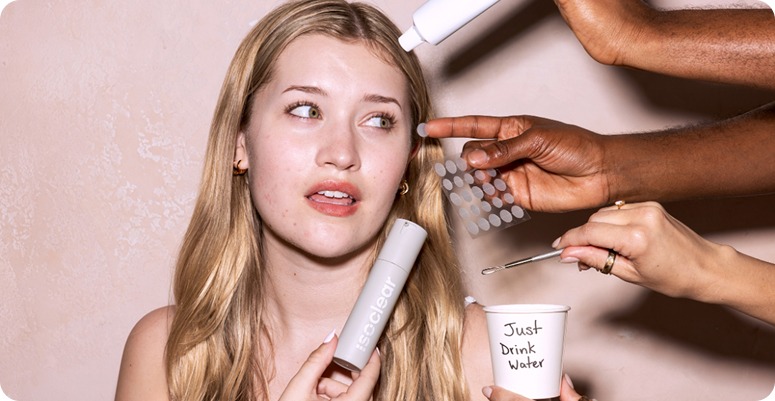
Can Isotretinoin Be Used Topically? Here’s What One Study Found
Written by Erika Morrison
Published on 07/10/2026
-1783674537-090857.jpg)
View All