
Introducing
Isoclear™
topical Isotretinoin gel system

The Hollywood Dose
Micro-dose Protocol
for resistant acne

Who We Are
Our Story
FAQs
Contact Us
Blog
Explore
Success Stories
Standard Accutane vs Micro-dose Protocol
Pay over time with


For Emergencies:
Need emotional support? (24/7): Call or text 988
Emergency Services (24/7): Dial 911
View All
Isotretinoin (Accutane) Protocols
Standard Protocol
Micro-dose Protocol
Oral and Topical Treatments
Isoclear™
NewDoxycycline + Topical
Spironolactone + Topical
Compounded Topical
Supporting Products
Jojoba Oil Cleanser
Lightweight Moisturizer
Home Pregnancy Tests (6 ct)
Aquaphor (3 ct)
Who We Are
Our Story
FAQs
Contact Us
Blog
Explore
Success Stories
Standard Accutane vs Micro-dose Protocol
Pay over time with
For Emergencies:
Need emotional support? (24/7): Call or text 988
Emergency Services (24/7): Dial 911
Low-Dose Accutane vs Standard Accutane: What’s the Difference?

Written byErika Morrison
Published on01/23/2026
Here’s what we’ll cover
- What Is Standard (Regular) Accutane?
- What Is Low-Dose (Microdose) Accutane?
- The Biggest Difference: Daily Dose vs Total Dose
- Side Effects: Low-Dose vs Standard Accutane
- Results: Does Low-Dose Accutane Work as Well?
- Who Might Do Better With Standard Accutane?
- Who Might Do Better With Low-Dose Accutane?
- Low-Dose vs Standard Accutane: Side-by-Side Comparison
- Clear Health’s Accutane Protocols
- Why Cumulative Dose Still Matters (No Matter the Protocol)
- Use Our Free Accutane Cumulative Dose Calculator
- Final Takeaway
- Frequently Asked Questions (FAQ)
 (3)-1770897866-120426.jpg)
If you’re thinking about Accutane (also called isotretinoin), you may see two options:
- Low-dose Accutane (sometimes called microdose)
- Standard or regular Accutane
So what’s the real difference, and how do you know which one is right for you?
Let’s break it down in a simple way.
What Is Standard (Regular) Accutane?
Standard Accutane uses a higher daily dose based on your body weight. This has been the traditional way Accutane is prescribed for years.
Typical standard Accutane dosing:
- Around 0.5–1 mg per kg of body weight per day
- Often 40–80 mg per day
- Treatment usually lasts 4–6 months
Why doctors use standard dosing:
- Faster acne clearing
- Shorter treatment time
- Common for severe or cystic acne
What Is Low-Dose (Microdose) Accutane?
Low-dose Accutane uses a much smaller daily dose over a longer period of time.
Typical low-dose Accutane dosing:
- 10–30 mg per day
- Sometimes even lower
- Treatment may last longer, but is more gradual
Low-dose Accutane still works toward the same goal, reaching the right cumulative dose, just in a gentler way.
 View on youtube
The Biggest Difference: Daily Dose vs Total Dose
Here’s the key thing most people don’t realize:
👉 Accutane success is often based on cumulative dose, not just daily dose.
Cumulative dose means:
The total amount of isotretinoin you take over your entire treatment.
You can reach the same cumulative dose by:
- Taking higher doses for fewer months, or
- Taking lower doses for more months
Both approaches can be effective.
Side Effects: Low-Dose vs Standard Accutane
This is where many people notice the biggest difference.
Standard Accutane side effects may include:
- Very dry lips and skin
- Nosebleeds
- Joint or muscle pain
- Fatigue
- Stronger flare-ups early on
Low-Dose Accutane side effects are often:
- Milder dryness
- Less irritation
- Easier to tolerate long-term
- Fewer day-to-day disruptions
This is why many people choose low-dose Accutane, especially if they’ve had trouble tolerating standard dosing before.
Results: Does Low-Dose Accutane Work as Well?
Yes, for many people, it does.
Low-dose Accutane:
- May take longer to fully clear acne
- Can still reach the target cumulative dose
- Often has similar long-term results
The difference is speed vs comfort.
Who Might Do Better With Standard Accutane?
Standard Accutane may be a good fit if you:
- Have severe or cystic acne
- Want results as fast as possible
- Can tolerate stronger side effects
- Prefer a shorter treatment timeline
Who Might Do Better With Low-Dose Accutane?
Low-dose Accutane may be a better option if you:
- Have mild to moderate acne that won’t go away
- Are sensitive to side effects
- Have flared badly on Accutane before
- Want a gentler, more manageable experience
Low-Dose vs Standard Accutane: Side-by-Side Comparison
| FEATURE | LOW-DOSE (MICRODOSE) ACCUTANE | STANDARD ACCUTANE |
|---|---|---|
| Daily dose | 10–30 mg per day | 40–80+ mg per day |
| Dose based on weight | Yes | Yes |
| Treatment length | Longer | Shorter |
| Speed of results | Slower, gradual | Faster |
| Dryness & side effects | Usually milder | Often stronger |
| Acne flare risk | Lower | Higher |
| Cumulative dose goal | Yes | Yes |
| Best for | Sensitive patients, mild–moderate acne | Severe or cystic acne |
| Lifestyle impact | Easier day-to-day | Can be more intense |
| Long-term results | Comparable | Comparable |
This comparison is provided for educational purposes only and is meant to help explain general differences between low-dose (microdose) and standard Accutane approaches. It is not medical advice and should not replace guidance from a licensed healthcare professional.
Accutane (isotretinoin) dosing, side effects, and treatment length vary from person to person based on factors such as body weight, medical history, lab results, and individual response to treatment.
What works for one person may not be appropriate for another.Treatment decisions should always be made in consultation with a board-certified dermatologist or qualified medical provider.
Clear Health’s Accutane Protocols
At Clear Health, treatment isn’t one-size-fits-all.
We offer:
- Standard Accutane Protocol – for patients who need a more traditional dosing approach
- Microdose Accutane Protocol - for patients who want lower daily doses with fewer side effects
Both protocols are:
- Overseen by board-certified dermatologists
- Personalized to your body and acne type
- Focused on reaching the right cumulative dose safely
Explore Clear Health’s Accutane Protocols
Find the approach that fits your goals, not just a generic dose.
Why Cumulative Dose Still Matters (No Matter the Protocol)
Whether you choose low-dose or standard Accutane, doctors often aim for a target cumulative dose to reduce relapse risk.
That’s why understanding your numbers is so important.
Use Our Free Accutane Cumulative Dose Calculator
How does your dose add up over time?
Try our FREE Accutane Cumulative Dosage Calculator
- Enter your weight
- Enter your daily dose
- See how long it may take to reach your target
No signup. No pressure. Just clarity.
Final Takeaway
Low-dose Accutane and standard Accutane aren’t about “better” or “worse.”
They’re about:
- Your body
- Your tolerance
- Your lifestyle
- Your acne goals
Frequently Asked Questions (FAQ)
1. What is low-dose Accutane?
Low-dose Accutane (also known as Micro-dose Accutane) uses smaller daily amounts of isotretinoin, typically 10–30 mg per day, over a longer period. It works by slowly reaching the target cumulative dose while reducing side effects.
2. Is low-dose Accutane as effective as standard Accutane?
Yes. Many studies and clinical experiences show that low-dose Accutane can be just as effective long-term as standard dosing when the correct cumulative dose is reached.
3. What is the difference between daily dose and cumulative dose?
Daily dose is how much Accutane you take each day.
Cumulative dose is the total amount you take over your entire treatment.
Cumulative dose is often more important for long-term acne control.
4. Does standard Accutane work faster than low-dose Accutane?
Yes. Standard Accutane usually clears acne faster because the daily dose is higher. Low-dose Accutane works more slowly but is often easier to tolerate as it potentially minimizes side effects.
5. Which Accutane dose has fewer side effects?
Low-dose Accutane generally potentially causes fewer and milder side effects, such as dryness, joint pain, and fatigue, compared to standard Accutane dosing.
6. Can I switch from standard Accutane to low-dose?
In many cases, yes. Dermatologists may adjust dosing based on side effects, lab results, or patient comfort.
7. How do I know which Accutane protocol is right for me?
The best protocol depends on:
- Your body weight
- Acne severity
- Side effect tolerance
- Lifestyle needs
A dermatologist should personalize your plan.
8. How do I calculate my Accutane cumulative dose?
You can calculate it by multiplying your daily dose by the number of days on treatment.
To make it easier, you can use a free Accutane cumulative dosage calculator.
Related Stories
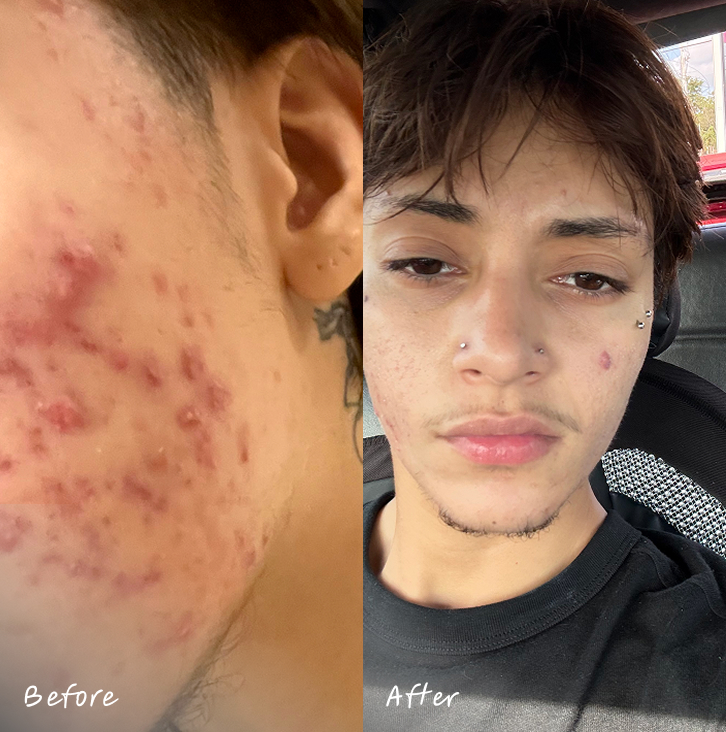
“I Wish I Tried It Sooner”: Esteban’s Isoclear Experience
Written by Erika Morrison
Published on 10/23/2026
Oral Accutane vs. Isoclear (Topical Isotretinoin)
Written by Michael Chang
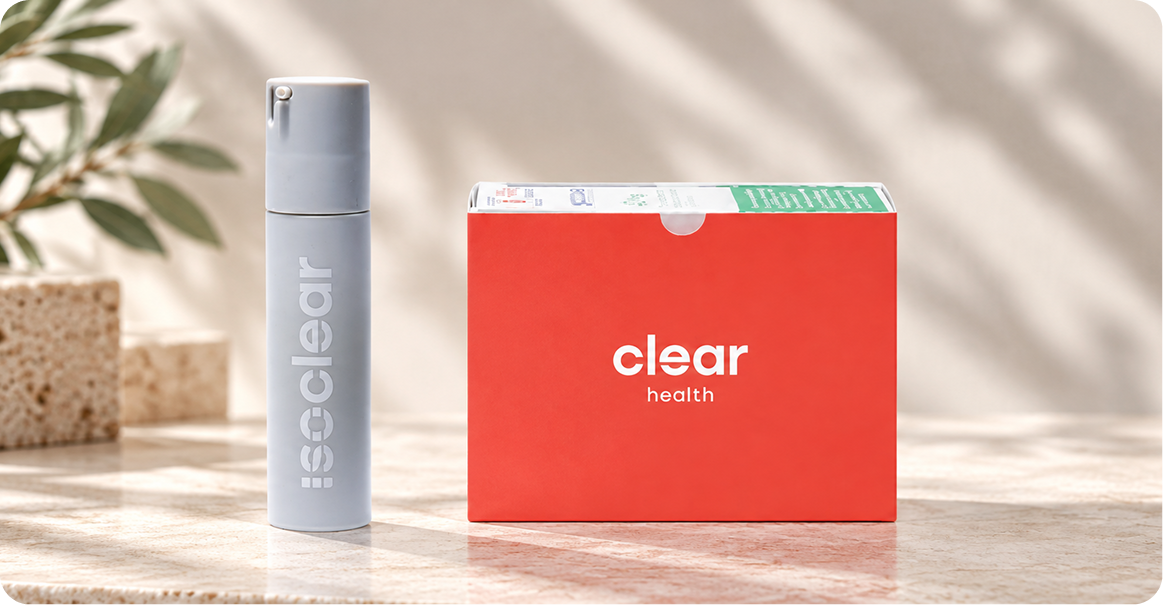
Published on 10/16/2026
Can You Wear Makeup on Accutane?
Written by Erika Morrison
Published on 10/09/2026

View All