
Introducing
Isoclear™
topical Isotretinoin gel system

The Hollywood Dose
Micro-dose Protocol
for resistant acne

Who We Are
Our Story
FAQs
Contact Us
Blog
Explore
Success Stories
Standard Accutane vs Micro-dose Protocol
Pay over time with


For Emergencies:
Need emotional support? (24/7): Call or text 988
Emergency Services (24/7): Dial 911
View All
Isotretinoin (Accutane) Protocols
Standard Protocol
Micro-dose Protocol
Oral and Topical Treatments
Isoclear™
NewDoxycycline + Topical
Spironolactone + Topical
Compounded Topical
Supporting Products
Jojoba Oil Cleanser
Lightweight Moisturizer
Home Pregnancy Tests (6 ct)
Aquaphor (3 ct)
At-Home LFT + Lipid Panel Bloodwork Kit
Who We Are
Our Story
FAQs
Contact Us
Blog
Explore
Success Stories
Standard Accutane vs Micro-dose Protocol
Pay over time with
For Emergencies:
Need emotional support? (24/7): Call or text 988
Emergency Services (24/7): Dial 911
How to Get Rid of Shoulder Acne & Why It Happens

Written byErika Morrison
Published on12/19/2025
Here’s what we’ll cover
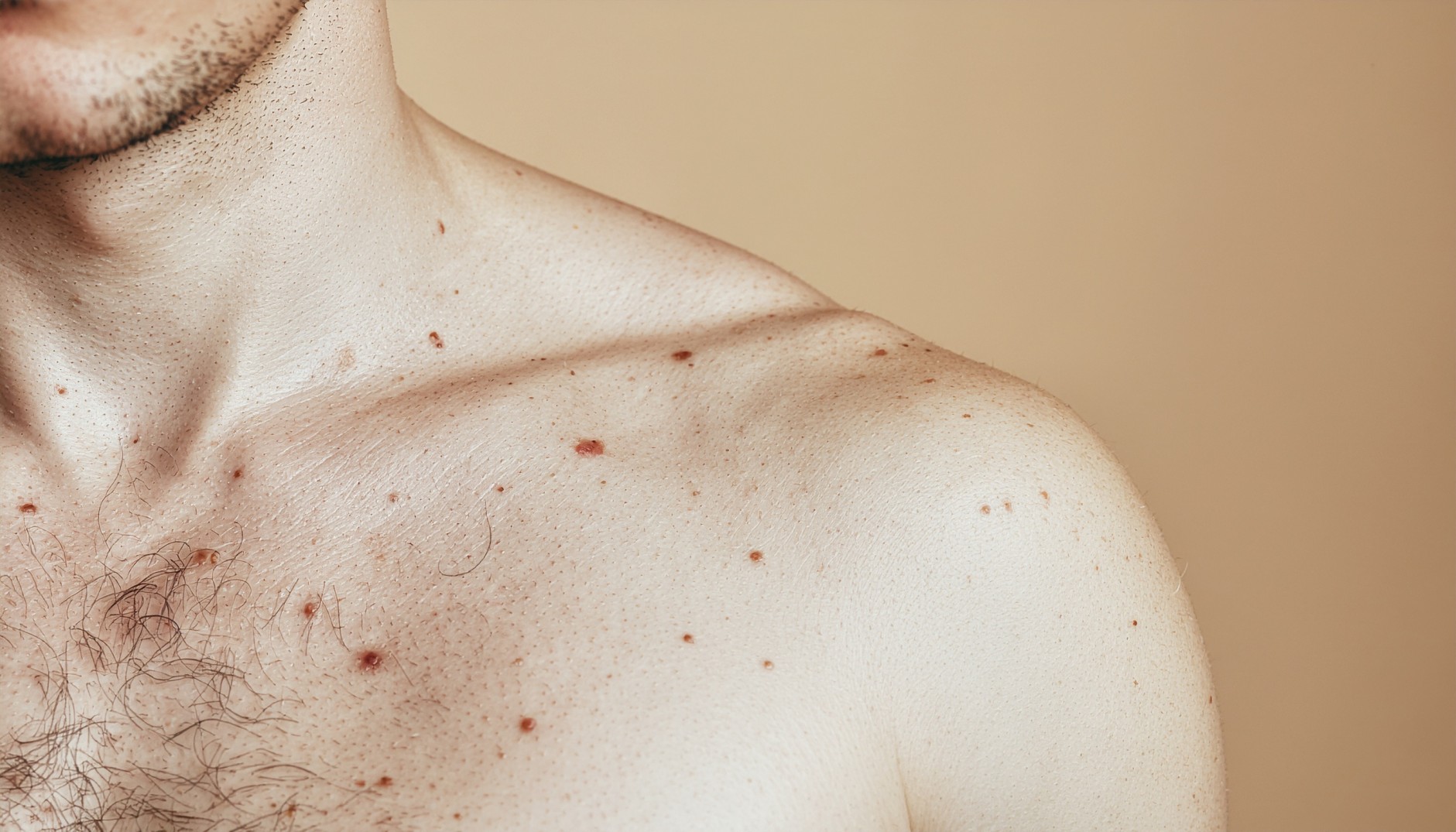
Do you see pimples on shoulders, pimples on the back of arms, or red spots on your upper arms and wonder: Why am I breaking out on my shoulders? Shoulder acne (and arm acne) is common, and with a few smart habits and the right care, you can clear it up.
What Is Shoulder Acne (and Arm Acne)?
When you get pimples on shoulders, upper arms, or the back of arms, it’s usually because your hair follicles (pores) get clogged by oil, dead skin cells, sweat, or bacteria. (Medical News Today)
There are two main kinds of acne on shoulders:
- Acne vulgaris - caused by excess oil (sebum), dead skin cells, and bacteria.
- Acne mechanica - caused by friction, pressure, or rubbing on the skin from tight clothing, straps, backpacks, or sports gear, combined with sweat or heat. (Healthline)
If you’re seeing shoulder zits, blackheads on arms, or whiteheads on your upper arms, it might be acne vulgaris, acne mechanica, or a mix of both.
Why Are My Shoulders Breaking Out?
Here are the top causes behind pimples on shoulders, upper arms, or back of arms:
- Tight or non-breathable clothing: Clothes that rub, trap sweat, or press on your skin (like sports gear, backpacks, or fitted tops) can cause acne mechanica. (Healthline)
- Sweat and heat: Sweat can mix with oil and dead skin, clogging pores if you don’t shower or change clothes quickly. (Cleveland Clinic)
- Excess sebum and clogged pores: Your oil glands (sebaceous glands) may produce too much oil, clogging pores and causing blackheads, whiteheads, or red pimples.
- Hormonal changes: Fluctuating hormone levels can trigger shoulder acne, especially during puberty, stress, or hormonal cycles.
- Friction from straps or gear: Backpack straps or athletic pads create heat and friction that irritate the skin. (AAD)
- Comedogenic body products: Heavy lotions or oily products can clog your pores, worsening acne on the shoulders. (Mayo Clinic Health System)
Because of these causes, shoulder acne may show up as blackheads, whiteheads, small red bumps, or inflamed pimples.
How to Get Rid of Acne on Shoulders and Arms
These are proven ways to clear up shoulder acne and prevent it from returning:
Shower and cleanse after sweating
Sweat, oil, and bacteria can build up on your skin after workouts. Shower promptly and use a gentle, non-comedogenic cleanser. Avoid harsh soaps or heavy creams that can clog pores.
Wear breathable, loose-fitting clothing
Tight clothing and friction are major triggers for shoulder acne. Choose cotton or moisture-wicking fabrics and avoid wearing damp clothes after sweating.
Use acne-friendly skincare products
Look for body washes with salicylic acid or benzoyl peroxide. Avoid heavy oils, greasy creams, or products that irritate your skin.
Avoid picking or scrubbing
Picking or scrubbing shoulder pimples can make acne worse and lead to scarring. Instead, stick to gentle cleansing and targeted treatments.
Consider topical or prescription treatments
If your shoulder acne is severe or keeps coming back, talk to a dermatologist. They may recommend:
- Topical retinoids to prevent clogged pores
- Azelaic acid or benzoyl peroxide to reduce bacteria and inflammation
- Prescription medications such as oral antibiotics or low-dose isotretinoin for stubborn cases
How to Get Rid of Shoulder Acne Overnight
While there’s no instant cure for shoulder acne, you can reduce irritation and help your skin start healing overnight by:
- Cleansing before bed to remove oil and sweat
- Wearing loose, clean sleepwear
- Avoiding friction or tight straps
- Applying a gentle acne treatment or spot product
Consistent habits will clear up shoulder pimples faster than harsh overnight fixes.
Why Shoulder Acne Keeps Coming Back
Even with treatment, shoulder acne can return because:
- Your skin naturally produces more oil
- You’re exposed to constant friction or sweating
- Hormonal fluctuations affect oil gland activity
- You’re using products that clog pores
When breakouts repeat often, it may indicate that your skin needs more consistent oil control.
Long-Term Clear Skin: Micro-Dose Protocol by Clear Health
For persistent or recurring shoulder acne, a Micro-Dose Protocol may help. At Clear Health, our dermatologists personalize low-dose isotretinoin treatments that:
- Reduce excess oil production over time
- Minimize common side effects like dryness and sensitivity
- Support long-term clear skin with fewer flare-ups
Our approach pairs treatment with gentle skincare and lifestyle guidance to help you prevent future shoulder and arm breakouts.
Key Takeaways
- Shoulder acne is caused by a mix of excess oil, friction, sweat, and clogged pores.
- Prevent it by showering after workouts, wearing breathable fabrics, and using acne-safe products.
- Avoid harsh scrubbing and picking to prevent scarring.
- For stubborn shoulder or upper-arm acne, consider medical options such as topical retinoids or a micro-dose isotretinoin protocol.
Clear skin is possible with the right balance of care, consistency, and support.
Learn more about Clear Health’s Micro-Dose Protocol and start your personalized acne treatment today.
Book an Appointment with
a Dermatologist
Every Clear Health treatment begins with a licensed, board-certified dermatologist reviewing your skin and guiding your care - safely, thoughtfully, and personally.
Start Online Evaluation- American Academy of Dermatology. “Acne: Causes and treatment.” AAD.org
- Cleveland Clinic. “Back Acne (Bacne): Causes, Symptoms & Treatment.” ClevelandClinic.org
- Healthline. “Acne Mechanica: How to Prevent It.” Healthline.com
- Healthline. “How to Get Rid of Back Acne.” Healthline.com
- Mayo Clinic Health System. “The Facts About Chest Acne.” MayoClinicHealthSystem.org
- Medical News Today. “Shoulder Acne: Causes, Prevention, and Treatment.” MedicalNewsToday.com
- Zouboulis CC. Sebaceous gland physiology and pathophysiology. American Journal of Clinical Dermatology. 2009;10(6):441–462.
- Baldwin HE. Treatment of acne vulgaris with isotretinoin: recommendations and precautions. Journal of Clinical and Aesthetic Dermatology. 2012;5(9):44–49.
Related Stories
Here’s what you don’t need to do when starting Isoclear (& what you still need to do)
Written by Erika Morrison
Published on 10/02/2026
Can You Get a Tattoo or Piercing While on Accutane?
Written by Erika Morrison
Published on 09/25/2026
Prescription Topicals vs. Over-the-Counter Acne Products: Which Is Right for You?
Written by Erika Morrison
Published on 09/18/2026
View All