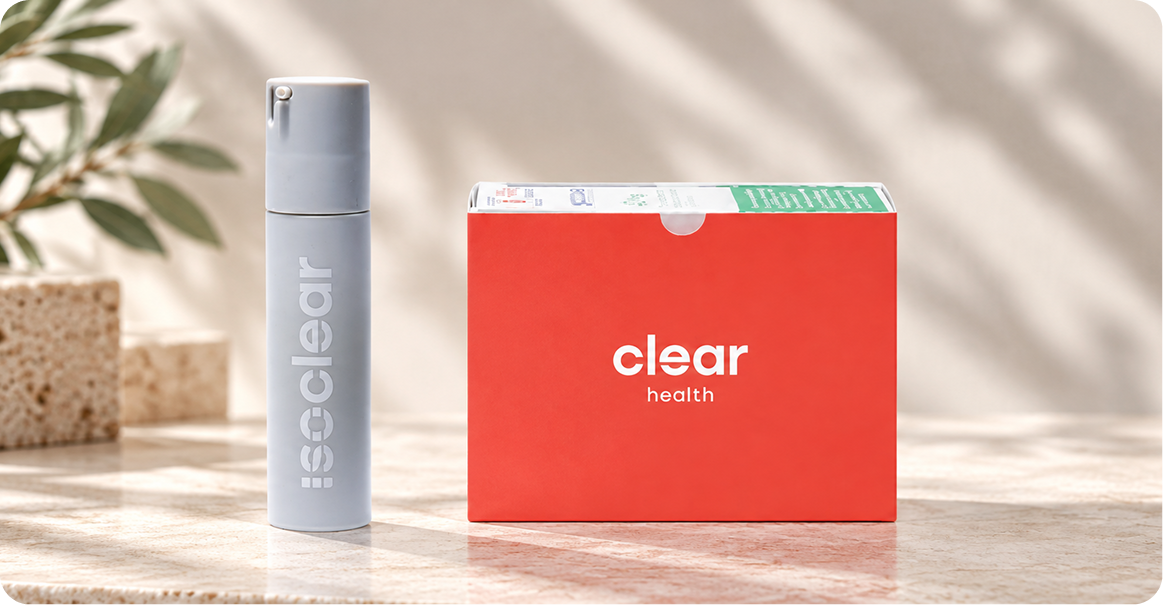
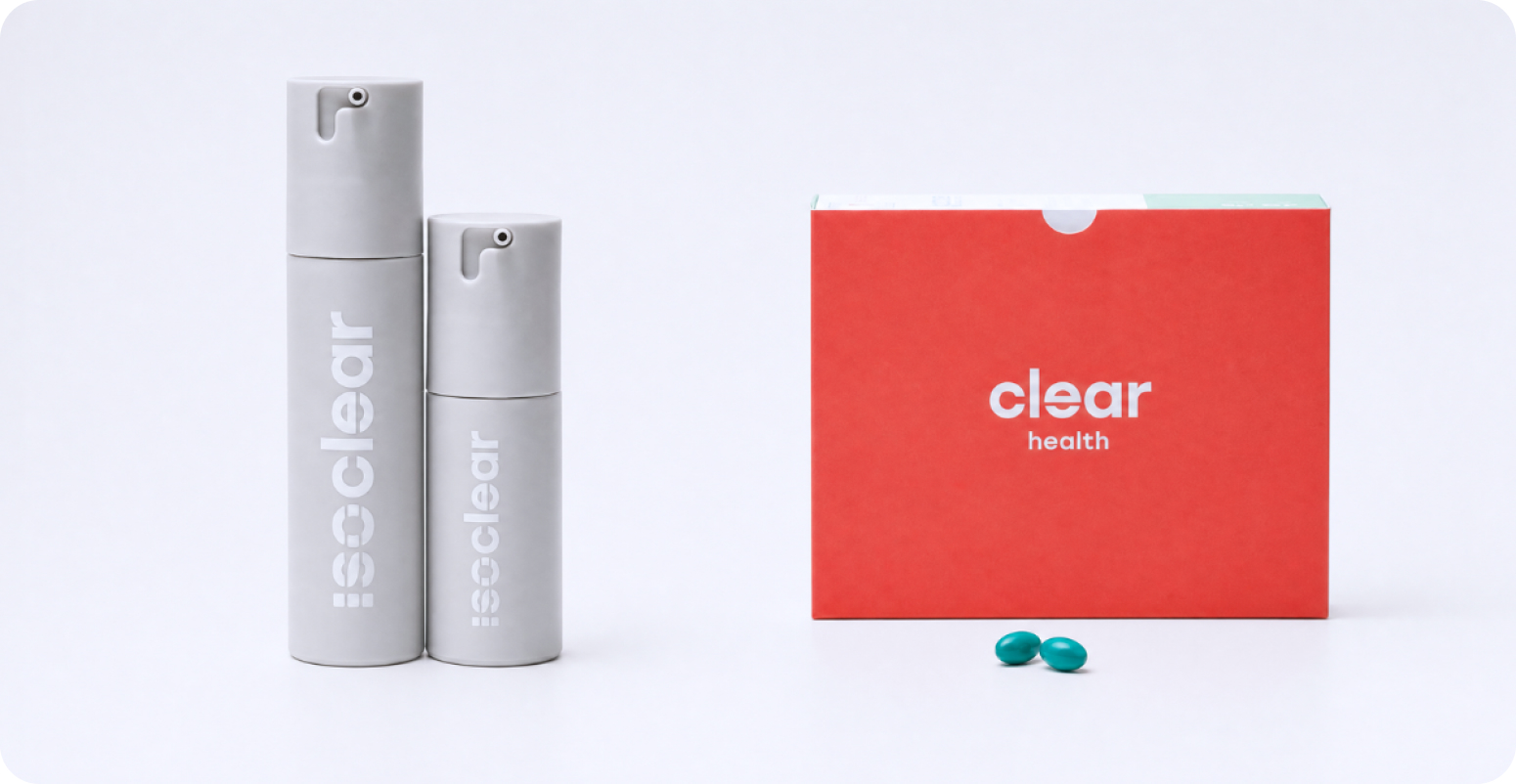
One of the unique aspects of the Clear Health platform is that we partner directly with specialty dermatology pharmacies to get exclusive prescriptions delivered to patients at the fraction of the cost of a big box pharmacy retailer. These specialty pharmacies specialize in FDA approved drugs such as Accutane that may be difficult to find or manage. These pharmacies also compound prescriptions, which means combining various FDA approved ingredients into a new formulation that’s personalized to the patient (to potentially reduce side effects, accommodate allergies, save in cost from branded drugs, etc).
We recently visited one of our pharmacy partners in Salt Lake City, Utah and spoke with pharmacist Jason Lang, who has over 20 years of experience in the dermatology pharmaceuticals industry. Behind the scenes, we took a tour to show patients where their medications come from, as well as the exacting standards that the pharmacy holds to ensure the safety and quality of the final product that gets into the patient’s hands. Jason answers some key questions in the video about the Accutane process and why a patient might choose to fulfill their medications through our pharmacy network.
Some of the key points are summarized below:
1.) Why choose a specialty pharmacy for Accutane? What are the common issues that can occur with going through a big box pharmacy?
Let’s first examine iPledge – the source of why issues arise.
Because Isotretinoin (Accutane) is a REMs regulated drug, there are certain administrative requirements on the part of the pharmacist, clinical provider, and the patient in order to successfully receive the medication.
The provider must complete and document action items for each consult within the iPledge portal once they deem a patient eligible for a new supply of Accutane, which then allows the pharmacist to complete the required items on the pharmacy’s front in iPledge to allow the patient to receive the medication. In the instance of female patients, the patient herself must complete comprehensive questions before the pharmacist is able to fulfill their part and dispense the medications.
If all this sounds complicated and cumbersome well………that’s because it is ☺. It’s easy to see how one misstep on the part of a pharmacist, patient, or provider can cause the dispensing of the drug to be delayed, especially for pharmacies that may not be familiar with how the iPledge process works.
Issues that arise include:
- Delayed prescriptions because the pharmacy was unable to complete their mandatory iPledge items within the 7-day window restriction for female patients
- Delayed prescriptions because the patients do not receive step-by-step guidance on what to complete to satisfy their iPledge requirements so the pharmacy can initiate their side
- Delayed prescriptions due to pharmacies being out of stock
And these are only problems pertaining to patients paying cash for drugs. For many who are using insurance, getting a pre-authorization to obtain coverage of the drug from the insurer further complicates this process.
2.) Paying cash vs using insurance to pay for Accutane
Insurance coverage of Accutane can vary – oftentimes, patients with high deductible plans or co-insurance plans (which requires paying a certain % of costs out-of-pocket until a specific yearly threshold is met) can obtain the drug more affordably by paying cash through a specialty pharmacy.
Some of the negatives that may arise from using insurance to pay for Accutane at a big box pharmacy include:
- Waiting weeks to get coverage approval from the insurance company, even after submitting documents many times.
- A high out-of-pocket cost, especially for high deductible plans or plans with co-insurance tiers even after a deductible has been met.
- A limited coverage period. Sometimes insurance plans will only cover the drug for ~6 months when a patient might need additional months to get completely clear.
- Having additional treatment “hoops” that a patient must jump through, such as trying various tetracycline antibiotics first before covering Accutane.
At Clear Health, we’ve partnered directly with specialty pharmacies and manufacturers using our scale to get fair, affordable cash prices that are oftentimes competitive with co-pays that many patients must still pay even with insurance.
For reference, an average dermatologist specialist co-pay with insurance can range from $50-100 (assuming you’ve met an annual deductible), and uninsured patients can expect to pay around $150-300 per consult. This does not even include the price of the medications.
We’ve innovated on our tech and operations to make the model work better for everyone. Our Microdose Protocol starts at a fraction of the price at only $109/mo which includes the dermatologist consult, the medication delivered, as well as the monthly support a patient needs.
3.) The Micro-Dose Protocol
All of the referenced issues above are precisely why we believe the Micro-dose Protocol is an absolute game-changer:
- Entirely cash-pay, no tedious insurance involved
- Fulfilled by our specialty pharmacy network which is always in stock and has extensive experience with iPledge
- Workflows digitally tracked within a patient’s dashboard so no step is ever missed
- Free shipping
As always, if you have any questions on how the pharmacy fulfillment process works for prescriptions whether through specialty pharmacies or through a traditional retailer, our team is ready to help! Give us a ping at mail to: support@helloclearhealth.com or call us at (833) 685-4529.