
Introducing
Isoclear™
topical Isotretinoin gel system

The Hollywood Dose
Micro-dose Protocol
for resistant acne

Who We Are
Our Story
FAQs
Contact Us
Blog
Explore
Success Stories
Standard Accutane vs Micro-dose Protocol
Pay over time with


For Emergencies:
Need emotional support? (24/7): Call or text 988
Emergency Services (24/7): Dial 911
View All
Isotretinoin (Accutane) Protocols
Standard Protocol
Micro-dose Protocol
Oral and Topical Treatments
Isoclear™
NewDoxycycline + Topical
Spironolactone + Topical
Compounded Topical
Supporting Products
Jojoba Oil Cleanser
Lightweight Moisturizer
Home Pregnancy Tests (6 ct)
Aquaphor (3 ct)
At-Home LFT + Lipid Panel Bloodwork Kit
Who We Are
Our Story
FAQs
Contact Us
Blog
Explore
Success Stories
Standard Accutane vs Micro-dose Protocol
Pay over time with
For Emergencies:
Need emotional support? (24/7): Call or text 988
Emergency Services (24/7): Dial 911
Does Whey Protein Cause Acne? What You Should Know

Written byErika Morrison
Published on10/21/2025
Here’s what we’ll cover

Many people wonder: “Does whey protein cause acne?” or “Can whey protein make you break out?” The short answer: possibly, especially for those already prone to acne. But the relationship is complex. In this post, we’ll break it down in simple terms, look at what the research says, and share steps to help you reduce breakouts, plus a smart way to use protein without compromising your skin.
Why People Think Whey Protein Causes Pimples
Experts believe whey protein might trigger or worsen acne for a few key reasons. Most of them have to do with how it affects your hormones, oil production, and skin cell turnover.
1. Insulin & IGF-1 Hormone Spike
Whey protein is a fast-digesting dairy protein that can cause your insulin levels to rise quickly. When insulin spikes, it triggers a hormone called IGF-1 (Insulin-Like Growth Factor 1). High IGF-1 levels are linked to increased oil (sebum) production, which can clog pores and lead to acne. More oil plus faster skin cell growth equals a perfect environment for breakouts.
2. Dairy & Hormonal Components
Because whey is derived from milk, it can contain hormones or hormone-like compounds that interfere with your body’s natural balance. These added hormones may overstimulate your oil glands and make pores more likely to clog, leading to more frequent pimples.
3. “Growth Factor” Effects on Skin Cells
Insulin and IGF-1 don’t just boost oil, they also speed up the rate at which skin cells grow and die. When dead skin cells mix with excess oil, pores get blocked, forming what many call “protein spots.” This is why some people see new breakouts soon after increasing their protein intake.
4. Individual Sensitivity & Acne-Prone Skin
Not everyone reacts the same way to whey protein. People with oily or acne-prone skin, or those with a family history of acne, tend to be more sensitive. Lifestyle factors like a high-sugar diet, stress, hormones, and skincare habits can also influence whether you break out after adding whey to your routine.
What Does the Research Say?
When researchers set out to answer “Does protein powder cause acne?”, the findings have been mixed. Some studies point to a connection between whey protein and acne, while others show little to no effect.
A case-control study of 201 young men found that 47% of acne sufferers used whey protein compared to 27.7% of those without acne, suggesting a possible link.
Another observational study followed participants for 60 days and found new acne lesions appeared after they began taking protein-calorie supplements containing whey.
Several case reports have described young men developing acne soon after starting whey protein. In many of these cases, stopping whey led to noticeable improvement or complete skin clearing.
On the other hand, a six-month randomized controlled trial in men who already had acne found no significant worsening in those consuming whey protein compared to those who didn’t.
Finally, a review article concluded that while there are biological reasons whey could worsen acne (like hormone and IGF-1 changes), the evidence remains limited and inconsistent.
Bottom line: For some people, whey protein may trigger or worsen acne, but it doesn’t happen to everyone. Your skin type, hormone balance, and diet play a big role.
 View on youtube
Common Questions
1. Does drinking protein cause acne?
It can for some people, since liquid whey shakes are absorbed quickly and can cause a rapid insulin and IGF-1 spike.
2. Does plant protein cause acne?
Plant-based proteins like pea, hemp, or rice protein are generally safer for acne-prone skin. They don’t raise hormones the same way whey does and are less likely to cause breakouts.
3. Does whey make you break out or give you pimples?
Yes, it’s possible, especially if your intake is high, your skin is sensitive, or other acne triggers (like stress or sugar) are present.
4. Does protein cause spots (protein spots)?
“Protein spots” is a common term for breakouts linked to protein shakes. The likely cause is oil buildup, clogged pores, and increased cell turnover from hormone changes.
5. Will whey protein worsen acne?
It might in some users. The best approach is to track your skin’s response after changing your supplement routine.
How to Prevent Acne from Whey Protein
If you want the muscle-building benefits of whey but want to keep your skin clear, try these dermatologist-approved strategies:
1. Use a quality, clean whey isolate
Choose whey protein tested by third parties like NSF, USP, or Informed-Sport. Whey isolates have less fat and lactose, which can help reduce irritation.
2. Limit your intake and ramp up slowly
Start small and give your skin time to adjust. Overloading too quickly can spike your hormones and lead to breakouts.
3. Avoid sugar-heavy or flavored shakes
Added sugars cause insulin spikes that can aggravate acne. Stick to clean, unflavored options when possible.
4. Stay hydrated & eat a balanced diet
Drink plenty of water, eat anti-inflammatory foods (like greens and omega-3s), and avoid excessive processed carbs.
5. Cleanse after workouts
Sweat mixed with oil and bacteria can clog pores. Shower or wash your face soon after training sessions.
6. Alternate with plant-based proteins
Swap whey for plant options like pea, hemp, or rice protein on some days to give your skin a break.
7. Adjust timing
Try taking whey with a balanced meal rather than on an empty stomach. This helps moderate insulin and IGF-1 spikes.
8. Slow down IGF-1 spikes
Pair protein with fiber, healthy fats, and low-glycemic carbs to prevent sudden hormone surges.
9. Use proper skincare
Stick with non-comedogenic cleansers, gentle exfoliants, and acne-safe ingredients like salicylic acid or benzoyl peroxide.
Why Use the Micro-dose Protocol by Clear Health?
If you’re looking to build muscle while keeping your skin clear, the Micro-dose Protocol by Clear Health is designed to help you do both.
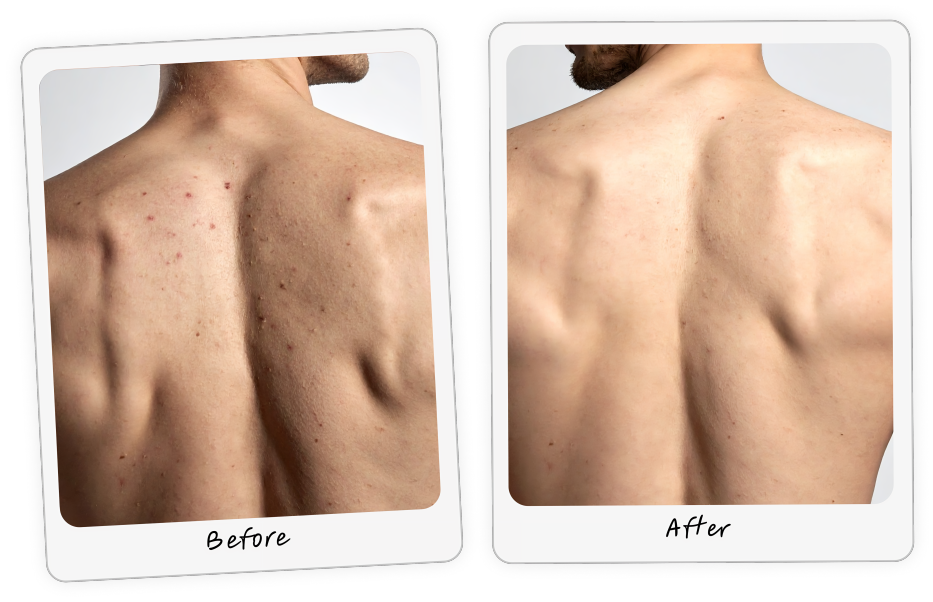
Here’s why:
- Precision dosing - Uses small, carefully measured amounts of protein throughout the day to avoid big insulin or IGF-1 spikes.
- Skin-friendly formulation - Designed to support muscle growth with minimal hormonal disruption.
- Adaptive adjustment - Lets you gradually increase your intake while monitoring your skin’s response.
- Supports healthy gains - Provides essential amino acids without the overload that can worsen acne.
- Works with your skincare - Complements your acne regimen for better overall results.
If you’re ready to train hard and stay clear, try the Micro-dose Protocol by Clear Health, a smarter way to build muscle without breaking out.
Micro-dose Accutane, Expert-Guided Treatment with All-Inclusive Care
Start Online EvaluationWorried that you're not a candidate? If the physician deems you ineligible for any treatments your initial consultation is FREE - we'll refund you in full automatically.
This dermatologist-guided plan uses low-dose Accutane to control oil, calm inflammation, and prevent clogged pores, all while potentially minimizing side effects such as the harsh dryness or downtime of traditional treatments. It’s designed for active people who want results in the gym and in the mirror.
Final Thoughts
Whey protein can cause acne in some people because of its effects on insulin, IGF-1, and hormones, but not everyone will experience this. How your skin reacts depends on your genetics, diet, and skincare habits.
If you notice more breakouts after adding whey, consider cutting back, switching to a plant-based alternative, or speak to our board-certified dermatologist to see if the Micro-dose Protocol by Clear Health.
Always pair any supplement routine with proper skincare, a balanced diet, hydration, and rest, because clear skin starts from the inside out.
- Melnik BC. Role of Insulin, Insulin-Like Growth Factor-1, Hyperglycaemic Food and Milk Consumption in the Pathogenesis of Acne Vulgaris. Indian Journal of Dermatology, Venereology and Leprology (IJDVL). Link
- Melnik BC. Nutritional Modulation of IGF-1 Signaling: Whey Protein, IGF-1 and Acne Vulgaris. MDPI Nutrients, 2024. Link
- Fiore DF et al. Acne and Whey Protein Supplementation Among Bodybuilders: A Review of the Literature. Karger Publishers Dermatology, 2023. Link
- Simonart T. Whey Protein and Acne: Case Reports and Review of the Literature. PubMed, 2012. Link
- Abedini R, et al. Does Whey Protein Worsen Acne? Findings from a 6-Month Randomized Controlled Trial. PubMed, 2024. Link
- Albalat R, et al. Acne and Whey Protein Supplementation Among Bodybuilders: A Case-Control Study. Dermatology (Karger Publishers), 2023. Link
- Jung JY, et al. Dietary Supplements and Acne: Observational Study on Whey Protein and Skin Lesions Over 60 Days. PubMed Central (PMC), 2014. Link
- Does Whey Protein Cause Acne? Healthline, 2023. Link
- Acne Caused by Whey Protein. London Dermatology Clinic, 2023. Link
- The Impact of Protein Intake on IGF-1 Levels and Metabolic Health. ResearchGate, 2024. Link
Related Stories
Can You Get a Tattoo or Piercing While on Accutane?
Written by Erika Morrison
Published on 09/25/2026

Prescription Topicals vs. Over-the-Counter Acne Products: Which Is Right for You?
Written by Erika Morrison
Published on 09/18/2026

Looking for an Accutane Alternative? What to Know Before Choosing Your Next Acne Treatment
Written by Erika Morrison
Published on 06/26/2026
View All