
Introducing
Isoclear™
topical Isotretinoin gel system

The Hollywood Dose
Micro-dose Protocol
for resistant acne

Who We Are
Our Story
FAQs
Contact Us
Blog
Explore
Success Stories
Standard Accutane vs Micro-dose Protocol
Pay over time with


For Emergencies:
Need emotional support? (24/7): Call or text 988
Emergency Services (24/7): Dial 911
View All
Isotretinoin (Accutane) Protocols
Standard Protocol
Micro-dose Protocol
Oral and Topical Treatments
Isoclear™
NewDoxycycline + Topical
Spironolactone + Topical
Compounded Topical
Supporting Products
Jojoba Oil Cleanser
Lightweight Moisturizer
Home Pregnancy Tests (6 ct)
Aquaphor (3 ct)
Who We Are
Our Story
FAQs
Contact Us
Blog
Explore
Success Stories
Standard Accutane vs Micro-dose Protocol
Pay over time with
For Emergencies:
Need emotional support? (24/7): Call or text 988
Emergency Services (24/7): Dial 911
Does Accutane Shrink Pores? (Accutane for Pores)

Written byErika Morrison
Published on01/27/2026
Here’s what we’ll cover
- Quick Answer
- Why Pores Look Big in the First Place
- How Accutane Works (And Why Pores May Look Smaller)
- Will the Pore Change Last After Treatment?
- Accutane for Pores: Who Might Benefit Most?
- Side Effect Talk: What to Know (Common Side Effects)
- Does Accutane Help Blackheads and Clogged Pores?
- Tips to Support Your Skin During a Treatment Course
- Talk to a Board-Certified Dermatologist About Your Pores
- FAQ
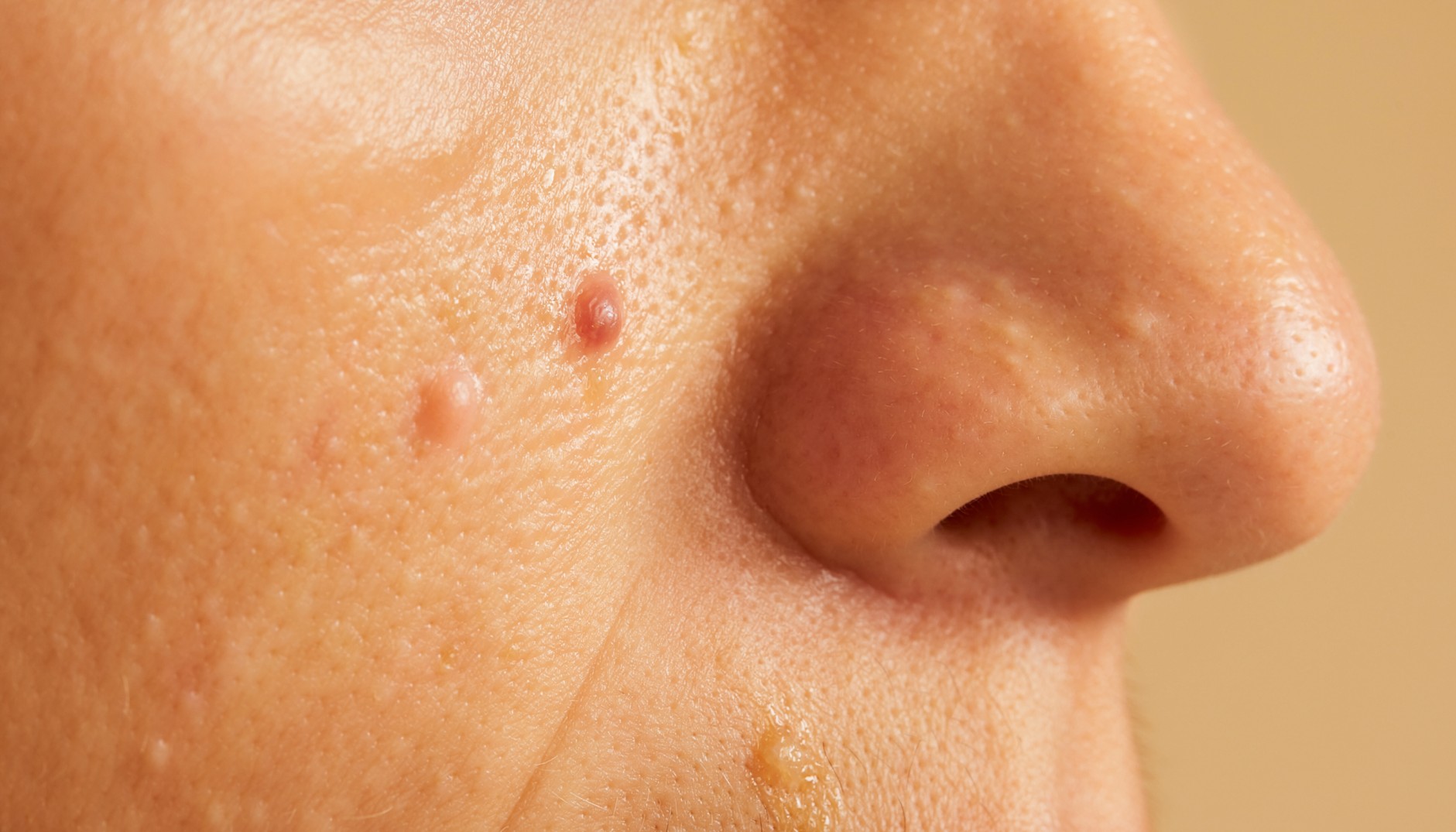
If you look in the mirror and feel like your pores are “huge,” you’re not alone. Many people with oily skin and acne notice enlarged pores, clogged pores, and rough texture.
So the big question is: does Accutane shrink pores?
Quick Answer
Accutane (isotretinoin) can make pores look smaller, but it does not permanently “erase” pores. Most of the time, pores look smaller because Accutane cuts down oil production (sebum production) and reduces swelling and congestion in the skin.
Why Pores Look Big in the First Place
Pores are tiny openings in your skin. They connect to hair follicles and oil glands (also called sebaceous glands).
Pores can look larger when:
- Your skin makes too much oil (high oil production / sebum production)
- Dead skin cells build up and stick together
- Oil + dead skin creates clogged pores
- Acne causes inflammation (red, swollen skin)
- Past breakouts leave acne scarring, which can change skin texture
How Accutane Works (And Why Pores May Look Smaller)
Accutane is a strong acne medicine used for severe acne (like cystic acne or stubborn nodular acne). It is known for long term relief in many patients.
Here’s the simple version of how isotretinoin work:
- Shrinks the sebaceous glands (your oil glands)
- Lowers sebum production (reducing the amount of oil on your skin)
- Helps stop skin cells from sticking together (fewer clogged pores)
- Has an anti inflammatory effect (less redness and swelling)
When you have less oil and less buildup, pores often look:
- Cleaner
- Tighter
- Less noticeable
A classic study also showed a large drop in sebum production along with reduced sebaceous gland size during treatment.
Will the Pore Change Last After Treatment?
Sometimes yes… sometimes no.
What may last
- Fewer breakouts can mean less ongoing inflammation
- Less acne can lower the risk of new acne scarring
- Skin texture can look smoother over time
What may come back
After your treatment course ends, your oil glands can slowly become more active again. If oil comes back, pores may look more noticeable again, especially if you naturally have oily skin.
Bottom line: Accutane can help pores look smaller mostly by improving oil and clogs. It’s not a guaranteed permanent pore shrink.
Accutane for Pores: Who Might Benefit Most?
Accutane is usually considered when other acne treatments have not worked, especially for:
- Cystic acne
- Deep, painful acne
- Acne that leaves scars
- Acne that keeps coming back
If your “big pores” are mostly from oiliness + clogged pores, Accutane may improve the look a lot.
If your pores look big mainly due to genetics or scarring, Accutane may help some, but you might also need other options later (like scar-focused treatments with a dermatologist).
Side Effect Talk: What to Know (Common Side Effects)
Accutane can work extremely well, but it can also cause side effects. The most common ones are related to dryness.
Common side effects include:
- Dry skin
- Chapped lips
- Dry eyes
- Dry nose (sometimes nosebleeds)
Another common issue is sensitivity to sunlight (you can burn faster).
Accutane also has serious safety warnings, including severe pregnancy risks. If you can become pregnant, strict rules and monitoring are required.
Does Accutane Help Blackheads and Clogged Pores?
Often, yes.
Because isotretinoin helps reduce oil and helps prevent the “sticky” buildup of dead skin cells, it can reduce blackheads and whiteheads over time. This is a big reason people search “accutane for pores.”
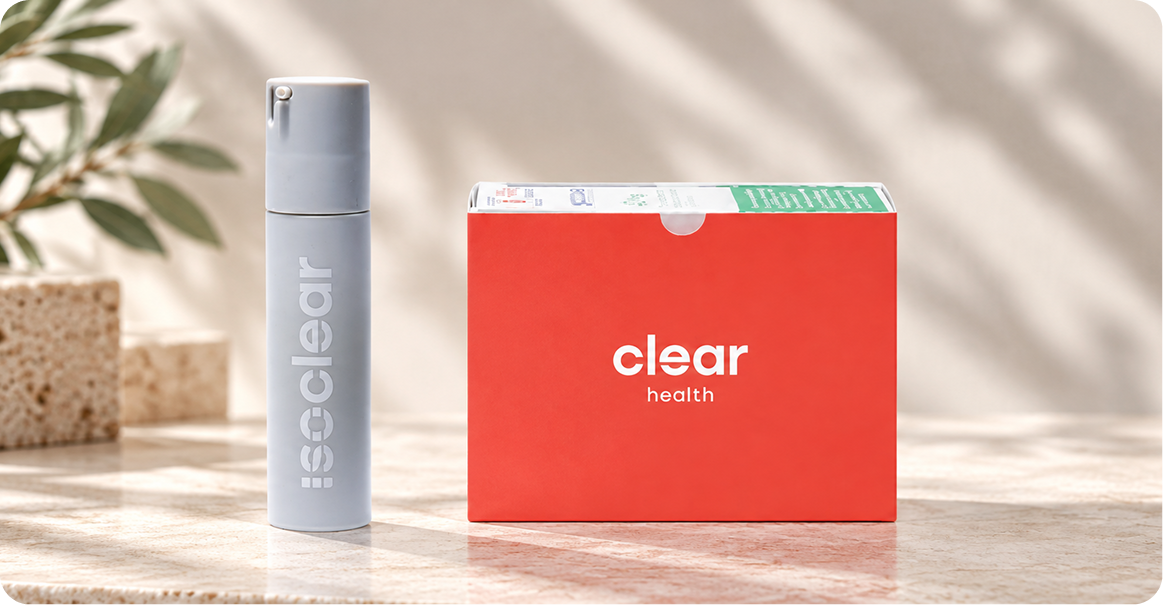
Micro-dose Accutane, Expert-Guided Treatment with All-Inclusive Care
Start Online EvaluationWorried that you're not a candidate? If the physician deems you ineligible for any treatments your initial consultation is FREE - we'll refund you in full automatically.
Tips to Support Your Skin During a Treatment Course
These are general skin-care tips that many dermatology sources recommend, especially because dryness is so common:
- Use a gentle cleanser
- Moisturize daily (even if you used to be oily)
- Use lip balm often
- Wear sunscreen and limit strong sun exposure (helps with sunlight sensitivity)
Always follow your prescriber’s instructions, because each treatment course is personalized.
Talk to a Board-Certified Dermatologist About Your Pores
If you’re wondering whether Accutane, or a lower-dose option, is right for your skin, the best next step is talking to a professional who treats acne every day.
At Clear Health, you can book an online appointment with a board-certified dermatologist who reviews your skin, acne history, and goals. They’ll help you understand:
- Whether isotretinoin makes sense for your pores and acne
- What results to realistically expect
- Which treatment course fits your skin and lifestyle
- How to manage side effects safely, if treatment is prescribed
You don’t have to guess or self-diagnose. Getting expert guidance can make all the difference, especially when considering powerful acne treatments like Accutane.
FAQ
1. Does Accutane permanently shrink pores?
It can make pores look smaller during treatment by lowering oil and clogs. Permanent change is not guaranteed.
2. How long does a treatment course usually last?
One course often takes about 4 to 8 months, but it can be shorter or longer depending on the person. Curious about how long it could take? Check out our Cumulative Dosage Calculator.
3. Is Accutane worth it just for pores?
Accutane is mainly used for serious acne (like cystic acne) and long term relief after other acne treatments fail. If pores are your only concern, a dermatologist may suggest other options first.
- American Academy of Dermatology (AAD) — isotretinoin FAQs and side effects
- FDA prescribing information / label for Accutane (isotretinoin)
- JAMA Dermatology patient page on isotretinoin (how it works and side effects)
- NCBI Bookshelf (StatPearls): isotretinoin mechanism summary
- PubMed/JAMA Dermatology study showing reduced sebum production and sebaceous gland size during isotretinoin
- Peer-reviewed review on isotretinoin effectiveness and long-term remission
Related Stories
Oral Accutane vs. Isoclear (Topical Isotretinoin)
Written by Michael Chang
Published on 10/16/2026
Can You Wear Makeup on Accutane?
Written by Erika Morrison
Published on 10/09/2026

Here’s what you don’t need to do when starting Isoclear (& what you still need to do)
Written by Erika Morrison
Published on 10/02/2026
View All