
Introducing
Isoclear™
topical Isotretinoin gel system

The Hollywood Dose
Micro-dose Protocol
for resistant acne

Who We Are
Our Story
FAQs
Contact Us
Blog
Explore
Success Stories
Standard Accutane vs Micro-dose Protocol
Pay over time with


For Emergencies:
Need emotional support? (24/7): Call or text 988
Emergency Services (24/7): Dial 911
View All
Isotretinoin (Accutane) Protocols
Standard Protocol
Micro-dose Protocol
Oral and Topical Treatments
Isoclear™
NewDoxycycline + Topical
Spironolactone + Topical
Compounded Topical
Supporting Products
Jojoba Oil Cleanser
Lightweight Moisturizer
Home Pregnancy Tests (6 ct)
Aquaphor (3 ct)
Who We Are
Our Story
FAQs
Contact Us
Blog
Explore
Success Stories
Standard Accutane vs Micro-dose Protocol
Pay over time with
For Emergencies:
Need emotional support? (24/7): Call or text 988
Emergency Services (24/7): Dial 911
Does Accutane Cause You Dandruff?

Written byErika Morrison
Published on03/12/2026
Here’s what we’ll cover
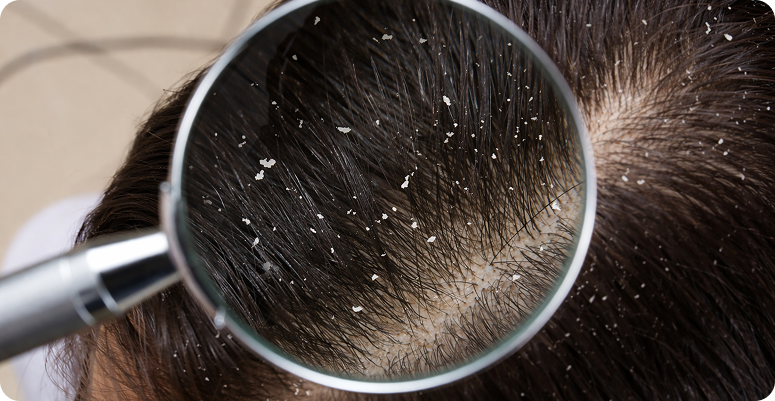
If you are taking Accutane and notice flakes on your shoulders, you may wonder: does Accutane cause dandruff? The short answer is yes, it can.
Accutane is a strong acne medication used for severe acne. It works very well, but it also has some common side effects, including dry skin, dry lips, and even a dry scalp.
Let’s break it down.
What Is Accutane?
Accutane is the brand name for Isotretinoin. It is a powerful acne treatment used when other treatments do not work.
Doctors prescribe it for severe or stubborn acne. It helps shrink oil glands in your skin. Less oil means fewer breakouts.
But less oil also means more dryness.
Does Accutane Cause Dandruff?
Yes, Accutane dandruff is common during treatment.
Here’s why it happens:
Accutane reduces oil production throughout the body, including your scalp. Your scalp needs a small amount of natural oil to stay balanced and healthy. When oil production drops too much, the scalp can become dry and irritated. A dry scalp may start to flake and itch.
This flaking can look like dandruff. However, in many cases, it’s actually dryness from reduced oil, not true dandruff caused by fungus.
Accutane and Itchy Scalp
Many people also report Accutane and itchy scalp symptoms.
When your scalp becomes dry:
- It may feel tight.
- It may itch.
- You may see white flakes.
This is similar to how your face may peel or feel tight during treatment.
Other Common Side Effects of Accutane
Besides scalp concerns like dryness or flaking, there are several other side effects of Accutane that patients should be aware of before and during treatment. Most of these effects are related to how Accutane reduces oil production throughout the body.
1. Dry Skin
This is the most common of all side effects of Accutane. Because the medication significantly lowers oil production, your skin may feel tight, rough, or flaky. The face, hands, arms, and even legs can become noticeably dry. Some people also experience mild irritation or increased sensitivity, especially in cold weather or when using harsh skincare products.
2. Dry Lips
Dry lips are extremely common while taking Accutane. In fact, almost everyone on treatment experiences chapped or peeling lips at some point. This happens because the lips do not have oil glands, so when overall oil production decreases, they become even more vulnerable to dryness. Lip balm quickly becomes an essential daily item.
3. Dry Eyes
Another frequent side effect of Accutane is dry eyes. Some patients notice that their eyes feel irritated, gritty, or sensitive. Contact lenses may become uncomfortable to wear because of reduced moisture. Using lubricating eye drops can often help relieve symptoms.
4. Blood Test Changes
Accutane can also affect certain internal markers, which is why doctors regularly monitor patients during treatment. Blood tests are typically ordered to check:
- Liver function
- Cholesterol levels
Monitoring these values helps ensure treatment stays safe and allows your provider to adjust the dose if needed. Regular follow-ups are an important part of managing the side effects of Accutane responsibly.
Why Does Accutane Cause So Much Dryness?
Accutane works by shrinking oil glands and reducing oil production in the skin. Oil (sebum) plays an important role in protecting and moisturizing your skin, scalp, and lips. It helps maintain the skin barrier and prevents excess water loss.
When oil drops during treatment:
- Skin loses moisture and may feel tight or flaky.
- Scalp becomes dry and can start to itch or shed.
- Lips crack more easily and feel constantly chapped.
- Eyes feel irritated or dry due to reduced natural lubrication.
Although these side effects can feel uncomfortable or frustrating, they are a common result of how Accutane works to treat acne. In many cases, the dryness is a sign that oil production has decreased, which is the medication’s intended effect.
How to Help Accutane Dandruff
If you’re experiencing Accutane dandruff or a dry scalp during treatment, there are simple ways to help reduce flaking and irritation.
Here are practical tips:
- Use a gentle, moisturizing shampoo. Avoid harsh or clarifying formulas that can strip even more oil from your scalp.
- Avoid hot showers. Hot water can worsen dryness by removing natural moisture from the scalp.
- Wash hair less often. Overwashing may increase dryness and make flaking more noticeable.
- Use a hydrating conditioner. Focus on nourishing both your hair and scalp to help maintain moisture.
- Try a lightweight scalp oil (if approved by your doctor). This can help soothe dryness without clogging pores.
- Drink plenty of water. Staying hydrated supports overall skin health.
If itching becomes severe, painful, or persistent, talk to your healthcare provider. They can help determine whether it’s simple dryness from Accutane or something else that may need treatment.
Is Accutane Still Worth It?
For many people, yes.
Accutane (isotretinoin) can permanently clear severe acne. Multiple long-term studies show that a single course of isotretinoin can lead to prolonged remission in patients with moderate to severe acne.¹ Many patients describe it as life-changing after struggling for years with breakouts, scarring, and frustration.
That said, side effects are real, especially dryness-related symptoms like dry skin, dry lips, and scalp flaking. The good news? Research suggests that lower-dose isotretinoin regimens may reduce the severity of side effects while still improving acne.
Several clinical studies have found that low-dose or intermittent isotretinoin protocols are associated with:
- Lower rates of severe mucocutaneous dryness
- Fewer laboratory abnormalities
- Improved tolerability for patients sensitive to standard weight-based dosing⁵ ⁶
While individual results vary and treatment should always be personalized, this growing body of evidence supports the idea that lower dosing can help minimize side effects for some patients.
That’s why Clear Health offers the Microdose Protocol, a carefully guided, lower-dose isotretinoin approach designed to help clear acne while potentially minimizing common side effects. Patients are monitored by licensed dermatology providers, with regular check-ins and required lab testing to keep treatment safe.
Micro-dose Accutane, Expert-Guided Treatment with All-Inclusive Care
Start Online EvaluationWorried that you're not a candidate? If the physician deems you ineligible for any treatments your initial consultation is FREE - we'll refund you in full automatically.
Clear Health Makes Acne Treatment Easier
At Clear Health, we specialize in safe, guided acne treatment online. Our licensed medical providers closely monitor your progress throughout treatment, including required blood tests and routine check-ins.
We help patients manage common side effects of Accutane such as dry skin, dry lips, and Accutane dandruff, so you’re never left guessing what’s normal. And if symptoms start to feel too intense, a Clear Health dermatologist can evaluate your response and make thoughtful dosage adjustments when appropriate. The goal is to balance results with comfort and safety.

Book an Appointment with
a Dermatologist
Every Clear Health treatment begins with a licensed, board-certified dermatologist reviewing your skin and guiding your care - safely, thoughtfully, and personally.
Start Online EvaluationKey Takeaway
Yes, Accutane can cause dandruff. It happens because the medication reduces oil in your scalp, leading to dryness and flaking. The good news? With the right care and medical support, these side effects are manageable, and clear skin is often worth it.
Educational only. Not medical advice.
- Isotretinoin for Acne Treatment — JAMA Dermatology (peer-reviewed article explaining effectiveness & side effects)
- Dryness and Mucous Membrane Side Effects of Isotretinoin — Acne.org summary (references clinical studies)
- Scientific Study on Skin Dryness and Biophysical Changes During Isotretinoin Therapy — PMC/NCBI
- Dry Eye Effects of Isotretinoin & Possible Therapies (clinical trial data)
Related Stories
“I Wish I Tried It Sooner”: Esteban’s Isoclear Experience
Written by Erika Morrison
Published on 10/23/2026
Oral Accutane vs. Isoclear (Topical Isotretinoin)
Written by Michael Chang
Published on 10/16/2026
Can You Wear Makeup on Accutane?
Written by Erika Morrison
Published on 10/09/2026

View All