If you’re taking Accutane, you may wonder: Can you get Botox on Accutane? Or, can you get Botox while on Accutane safely?
This is a common question. Many people want smoother skin while treating acne. Let’s break down the risks, side effects, and safest options.
What Is Accutane?
Accutane is the brand name for Isotretinoin. It is a strong medicine used to treat mild to severe acne.
It works by:
- Reducing oil in the skin
- Shrinking oil glands
- Preventing clogged pores
Doctors often prescribe it for patients with deep acne or acne scarring.
But isotretinoin can also cause:
- Dry skin
- Chapped lips
- Sensitive skin
- Slower wound healing
These effects matter when thinking about cosmetic procedures.
Can You Get Botox While on Accutane?
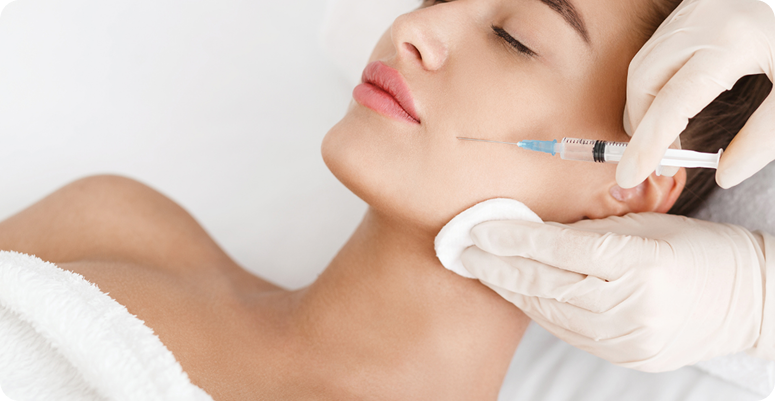
Botox is made from OnabotulinumtoxinA. It relaxes facial muscles to smooth wrinkles.
The Short Answer:
In most cases, yes, you can get Botox injections while on Accutane. However, it is highly recommended that you speak with your dermatologist to make sure.
Botox is not a deep skin treatment. It is injected into muscle, not the surface of the skin. That means it does not depend heavily on skin healing.
However, there are a few things to consider.
Possible Side Effects
If you are a patient on isotretinoin, your skin might become more fragile. This can increase:
- Bruising
- Swelling
- Redness
- Tenderness
Because isotretinoin affects wound healing, some doctors recommend caution.
While Botox is generally safe, every person’s body weight, skin type, and health history can affect results.
This is why seeing board certified dermatologists is important.
Cosmetic Procedures to Avoid on Accutane
Some treatments are not recommended during isotretinoin use due to increased risk of scarring or delayed wound healing.
1. Laser Resurfacing
Laser resurfacing removes layers of skin to improve acne scarring and wrinkles.
Deep treatments like ablative lasers create controlled wounds in the skin. Since Accutane slows healing, this can raise the increased risk of:
- Scarring
- Skin discoloration
- Infection
Many doctors advise waiting 6–12 months after stopping isotretinoin before doing ablative laser resurfacing.
2. Chemical Peels
Strong chemical peels remove the top layer of skin.
Because isotretinoin causes dry skin and thinning, peels may lead to:
- Burns
- Irritation
- Delayed healing
Mild peels may be possible, but only under medical supervision.
3. Laser Hair Removal
Laser hair removal uses heat to destroy hair follicles.
Skin on Accutane is more sensitive. This may increase the risk of:
- Blisters
- Pigment changes
- Skin damage
Some providers will treat carefully, while others recommend waiting.
Why Wound Healing Matters
Isotretinoin changes how your skin repairs itself. Even small injuries may take longer to heal.
Procedures that damage the surface of the skin, like laser resurfacing or deep peels, can lead to acne scarring or other complications if done too soon.
Botox injections, however, involve tiny needle punctures. These usually heal quickly.
What Do Experts Say?
Recent research suggests that some cosmetic procedures may be safer than once believed during isotretinoin treatment. Older guidelines were strict.
Still, many dermatologists prefer to be cautious, especially with ablative lasers and deep resurfacing treatments.
The best step is to talk to board certified dermatologists who understand both acne treatment and cosmetic care.
Clear Health’s Approach
At Clear Health, our team focuses on safe, evidence-based care for patients on isotretinoin.
What makes us different?
- Online access to board-certified dermatologists
- Personalized acne treatment plans
- Safe guidance on cosmetic procedures
- Support throughout your treatment journey
We help you protect your skin while reaching your cosmetic goals.
Book an Appointment with
a Dermatologist
Every Clear Health treatment begins with a licensed, board-certified dermatologist reviewing your skin and guiding your care - safely, thoughtfully, and personally.
Start Online Evaluation
Key Takeaway
You can usually get Botox while on Accutane.
- Deep treatments like laser resurfacing, ablative lasers, and strong chemical peels carry an increased risk.
- Always consult board certified dermatologists before cosmetic procedures.
- Skin on isotretinoin is fragile and needs special care.
If you're unsure, talk to a medical expert before scheduling treatment.
Educational only. Not medical advice.



 View on youtube