
Introducing
Isoclear™
topical Isotretinoin gel system

The Hollywood Dose
Micro-dose Protocol
for resistant acne

Who We Are
Our Story
FAQs
Contact Us
Blog
Explore
Success Stories
Standard Accutane vs Micro-dose Protocol
Pay over time with


For Emergencies:
Need emotional support? (24/7): Call or text 988
Emergency Services (24/7): Dial 911
View All
Isotretinoin (Accutane) Protocols
Standard Protocol
Micro-dose Protocol
Oral and Topical Treatments
Isoclear™
NewDoxycycline + Topical
Spironolactone + Topical
Compounded Topical
Supporting Products
Jojoba Oil Cleanser
Lightweight Moisturizer
Home Pregnancy Tests (6 ct)
Aquaphor (3 ct)
Who We Are
Our Story
FAQs
Contact Us
Blog
Explore
Success Stories
Standard Accutane vs Micro-dose Protocol
Pay over time with
For Emergencies:
Need emotional support? (24/7): Call or text 988
Emergency Services (24/7): Dial 911
Accutane Skincare Routine: What to Use (and Avoid) While on Isotretinoin

Written byErika Morrison
Published on02/10/2026
Here’s what we’ll cover
Starting Accutane treatment (isotretinoin) can feel overwhelming, especially when your skin suddenly feels dry, tight, and sensitive. The right Accutane skincare routine can make a big difference in how your skin feels and heals during treatment.
This guide covers:
- How to treat pimples while on Accutane
- Whether you can use Niacinamide and Hyaluronic acid
- What skincare ingredients to avoid
- How to protect your skin barrier and prevent acne scarring
All recommendations align with guidance from a board certified dermatologist.
Why Accutane Changes Your Skin
Accutane is prescribed to treat severe acne by shrinking oil glands and reducing oil production. That’s why it works so well, but it’s also why dryness happens.

Common side effects of isotretinoin include:
- Dry skin and flaking
- Cracked lips
- Increased sun sensitivity
- Skin that feels tight or irritated
Once you start Accutane, your goal is no longer aggressive acne treatment.
Your goal is to protect your skin barrier and support healing.
Simple Accutane Skincare Routine (AM + PM)
%201343-1770720693-105133.png)
Morning Routine (AM)
Step 1: Gentle Cleanse
Your cleanser should remove impurities without stripping moisture.
Jojoba Oil Cleanser
All skin types | Super gentle + non-comedogenic
This SLS-free cleanser gently cleans while helping reduce oil overproduction. It’s exceptionally hydrating and designed to be the perfect first step in your acne prescription routine.
Why it works well during Accutane treatment:
- Non-comedogenic and safe for acne-prone skin
- Exceptionally gentle for sensitive, dry skin
- Helps balance oil production without clogging pores
- Supports skin hydration and comfort
Step 2: Hydrating Serum (Optional)
✔ Yes, you can use hyaluronic acid on Accutane.
Hyaluronic acid and Accutane work well together because hyaluronic acid:
- Pulls water into the skin
- Improves skin hydration
- Helps skin feel softer and less tight
Apply it on damp skin, then seal it with moisturizer.
Step 3: Lightweight Moisturizer
Dry skin is one of the most common side effects of isotretinoin, even for people who had oily skin before.
Lightweight Moisturizer
All skin types | Lightweight + ultra-hydrating
This moisturizer hydrates deeply while helping repair your skin’s protective barrier. With consistent use, skin looks dewier, brighter, and more comfortable.
Why it’s ideal for Accutane:
- Hydrates while protecting the skin barrier
- Repairs dry, compromised skin
- Helps balance dehydrated oil production
- Lightweight texture that won’t clog pores
Step 4: Broad Spectrum Sunscreen
Daily sun protection is essential while on Accutane.
Accutane increases sun sensitivity, which raises the risk of:
- Burns
- Dark spots
- Acne scarring
Choose a broad spectrum sunscreen (SPF 30 or higher) that is fragrance-free and suitable for sensitive skin.
Night Routine (PM)
Step 1: Cleanse Gently
Use the same Jojoba Oil Cleanser at night.
Avoid scrubs, exfoliating tools, or active cleansers.
Step 2: Moisturize Generously
At night, don’t be afraid to apply a thicker layer of your Lightweight Moisturizer.
Well-hydrated skin heals faster and tolerates treatment better.
Step 3: Seal Dry Areas
Accutane dryness often affects lips, corners of the nose, and dry patches.
Aquaphor®
Dermatologist-recommended staple for Accutane
Aquaphor creates a breathable, non-comedogenic barrier that locks in moisture without clogging pores. It’s a must-have for patients on isotretinoin.
Why Aquaphor is essential:
- Long-lasting hydration and protection
- Ideal for chapped lips and cracked skin
- Non-comedogenic and fragrance-free for acne-prone skin
Key ingredients that support healing:
- Glycerin – attracts water and keeps skin hydrated
- Bisabolol – soothes irritation and inflammation
- Panthenol – supports skin regeneration and repair
Can You Use Niacinamide While on Accutane?
Yes, you can use niacinamide on Accutane, and it’s often helpful.
Niacinamide:
- Calms redness
- Strengthens the skin barrier
- Helps skin feel less irritated
Stick to low concentrations (5% or less) and avoid combining with harsh actives.
Ingredients to Avoid During Accutane Treatment
While on Accutane, avoid products that can damage your fragile skin barrier.
Avoid:
- Benzoyl peroxide
- Salicylic acid
- Retinoids (retinol, adapalene)
- Exfoliating acids
- Scrubs or brushes
These can worsen dryness and irritation and slow healing.
How to Treat Pimples While on Accutane
It’s normal to still get breakouts early in treatment. Some patients may experience "Accutane Purge".
An Accutane purge can happen in the first few weeks of treatment as isotretinoin pushes clogged pores and buildup to the surface. Breakouts may look worse before they get better, but this phase is temporary and a sign the medication is working. Keeping your skincare routine gentle and consistent helps protect your skin while it clears.
What to do:
- Don’t spot treat with benzoyl peroxide
- Don’t pick or squeeze clogged pores
- Focus on hydration and barrier repair
- Let the medication work internally
Accutane treats acne from the inside out. Skincare supports comfort and healing.
Final Tips to Protect Your Skin on Accutane
- Keep your routine simple
- Moisturize more than you think you need
- Reapply sunscreen daily
- Focus on skin hydration, not oil control
- Follow guidance from your dermatologist
Micro-dose Accutane, Expert-Guided Treatment with All-Inclusive Care
Start Online EvaluationWorried that you're not a candidate? If the physician deems you ineligible for any treatments your initial consultation is FREE - we'll refund you in full automatically.
If you’re considering Accutane, Clear Health offers a truly one-stop, dermatologist-guided experience. From iPLEDGE enrollment and prescriptions to medication delivery and a 24/7 nurse line, everything is handled in one place, so you’re supported at every step by a board-certified dermatologist with care personalized to your skin and labs.
Related Stories
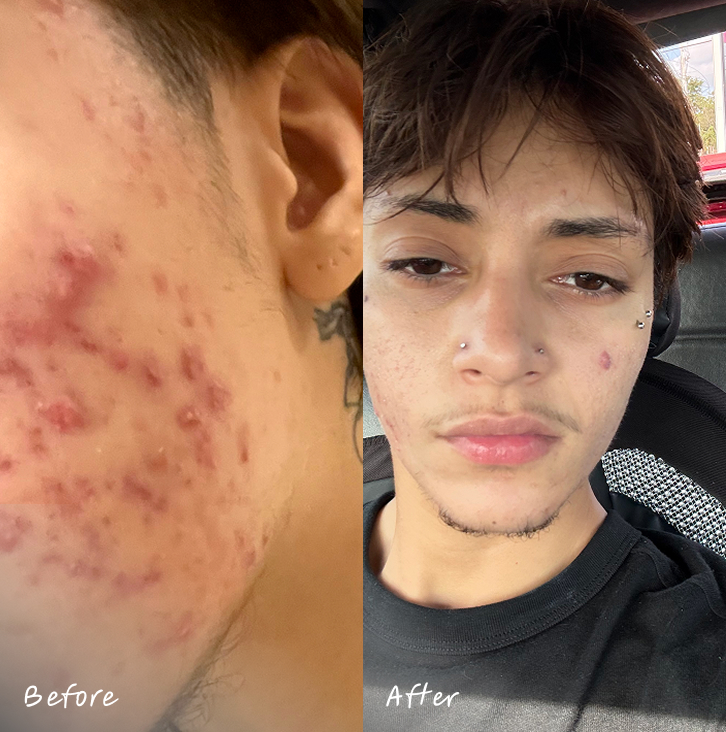
“I Wish I Tried It Sooner”: Esteban’s Isoclear Experience
Written by Erika Morrison
Published on 10/23/2026
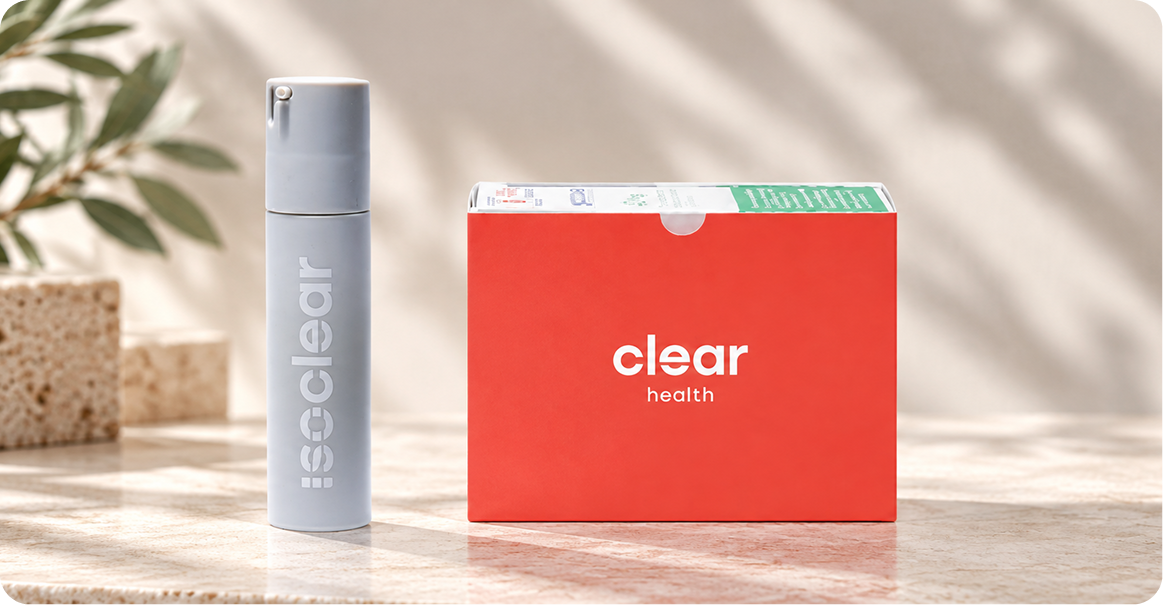
Oral Accutane vs. Isoclear (Topical Isotretinoin)
Written by Michael Chang
Published on 10/16/2026
Can You Wear Makeup on Accutane?
Written by Erika Morrison
Published on 10/09/2026

View All