
Introducing
Isoclear™
topical Isotretinoin gel system

The Hollywood Dose
Micro-dose Protocol
for resistant acne

Who We Are
Our Story
FAQs
Contact Us
Blog
Explore
Success Stories
Standard Accutane vs Micro-dose Protocol
Pay over time with


For Emergencies:
Need emotional support? (24/7): Call or text 988
Emergency Services (24/7): Dial 911
View All
Isotretinoin (Accutane) Protocols
Standard Protocol
Micro-dose Protocol
Oral and Topical Treatments
Isoclear™
NewDoxycycline + Topical
Spironolactone + Topical
Compounded Topical
Supporting Products
Jojoba Oil Cleanser
Lightweight Moisturizer
Home Pregnancy Tests (6 ct)
Aquaphor (3 ct)
At-Home LFT + Lipid Panel Bloodwork Kit
Who We Are
Our Story
FAQs
Contact Us
Blog
Explore
Success Stories
Standard Accutane vs Micro-dose Protocol
Pay over time with
For Emergencies:
Need emotional support? (24/7): Call or text 988
Emergency Services (24/7): Dial 911
Sunburn on Accutane: How to Stay Safe in the Sun

Written byErika Morrison
Published on04/24/2026
Here’s what we’ll cover
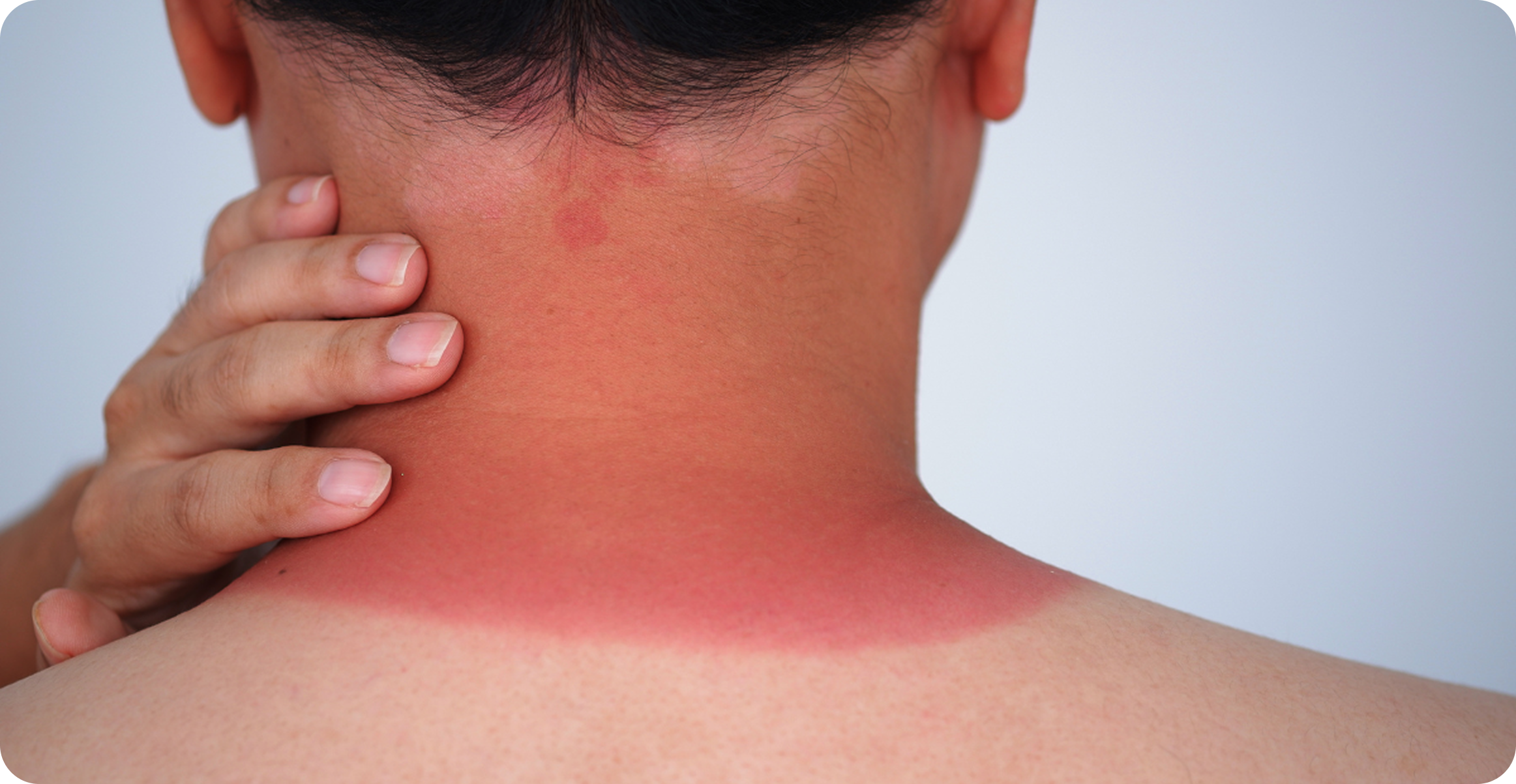
If you’re taking Accutane, you’ve probably heard one thing loud and clear: be careful in the sun.
But what does that actually mean? Can you be in the sun on Accutane? Can you go outside at all? And how do you prevent sunburn while still living your life?
This guide breaks it down in a simple, practical way, so you can protect your skin while continuing your acne treatment safely.
Why Accutane Makes You Sensitive to the Sun
Accutane (isotretinoin) works by shrinking your sebaceous glands and reducing oil production. That’s why it’s so effective for treating severe acne.
But there’s a tradeoff. When oil production decreases, your skin barrier becomes thinner and drier. This reduces your skin’s natural protection against ultraviolet (UV) rays and makes it more sensitive to the sun.
As a result, even short periods of sun exposure can increase the risk of sunburn. You may also notice more redness, irritation, and peeling, and over time, repeated exposure can contribute to longer-term skin damage.
Can You Be in the Sun on Accutane?
Yes, but carefully. You don’t need to stay indoors all summer. But you do need to actively protect your skin from the sun.
Here’s the key idea: You can go in the sun on Accutane, but unprotected sun exposure is risky.
How to Protect Your Skin from the Sun on Accutane
1. Use Broad Spectrum Sunscreen (Daily)
Sunscreen is the most important step to protect your skin from the sun, especially when you’re on Accutane. Your skin is more sensitive to the sun, so skipping sunscreen can quickly lead to sunburn.
Look for a sunscreen that is:
- SPF 30 or higher
- Broad spectrum, which means it protects against both UVA and UVB
- Ultraviolet (UV) rays
Apply sunscreen every morning, even if you are staying indoors. UV rays can still reach your skin through windows. If you are outside, reapply every 2 hours. If you’re sweating or swimming, reapply even more often.
Think of sunscreen as your first and most important layer of sun protection.

Book an Appointment with
a Dermatologist
Every Clear Health treatment begins with a licensed, board-certified dermatologist reviewing your skin and guiding your care - safely, thoughtfully, and personally.
Start Online Evaluation2. Wear Sun-Protective Clothing
Sunscreen helps, but it’s not enough on its own. Wearing sun protective clothing adds another strong layer of defense.
Choose:
- Long sleeves made from light, breathable fabric
- Wide brimmed hats to protect your face, ears, and neck
- Sunglasses to protect your eyes from UV rays
These simple steps lower your sun exposure without needing to constantly reapply sunscreen. They are especially helpful during long days outside.
3. Seek Shade Whenever Possible
One of the easiest ways to stay safe is by seeking shade.
Try to:
- Stay under umbrellas, trees, or covered areas
- Go indoors during peak hours, usually between 10 AM and 4 PM
- During these hours, UV rays are strongest and can increase the risk of sunburn. Building the habit of seeking shade can make a big difference in protecting your skin.
4. Avoid Prolonged Direct Sun Exposure
Spending too much time in direct sunlight can quickly damage your skin while on Accutane.
Be extra careful if:
- You just started your acne treatment
- You are on a higher dose of Accutane
- Your skin already feels dry, tight, or irritated
- In these cases, even short periods of sun exposure can cause redness or burning. Limiting time in direct sunlight helps lower the risk and keeps your skin more comfortable.
5. Hydrate and Support Your Skin Barrier
Accutane often causes dryness, which is a common side effect. This can weaken your skin barrier and make you even more sensitive to the sun.
To help your skin:
- Use a gentle, hydrating moisturizer every day
- Avoid harsh scrubs or exfoliants
- Drink enough water and keep your skin hydrated
- Healthy, hydrated skin is better at handling daily stress, including exposure to UV rays. Taking care of your skin barrier supports overall eye health, skin comfort, and long-term protection.
Accutane in the Summer: Is It Safe?
Yes, but it requires extra caution.
Taking Accutane in the summer is common, but you’ll need to be more intentional about:
- Sunscreen reapplication
- Clothing choices
- Limiting peak sun exposure
Many dermatologists don’t stop treatment during summer, but they do emphasize strict sun protection habits.
What Happens If You Get Sunburn on Accutane?
When you’re on Accutane, your skin is more fragile and sensitive to the sun. This means sunburn can feel worse than usual. Even a short time in strong ultraviolet (UV) rays can increase the risk of damage.
Sunburn on Accutane can be:
- More intense
- More painful
- Slower to heal
You may also notice more redness, irritation, and peeling compared to a normal sunburn.
If you do get sunburn, act quickly to protect your skin from the sun and prevent it from getting worse. Stop all sun exposure right away and move indoors or into shade. Use gentle, soothing products like aloe or fragrance-free moisturizers to help calm the skin. Avoid picking, rubbing, or peeling, as this can slow healing and lead to more irritation.
In more serious cases, sunburn can cause swelling, blistering, or severe discomfort. If this happens, it’s important to seek medical care. A provider can guide you on the right treatment and help prevent further skin damage.
Book an Appointment with
a Dermatologist
Every Clear Health treatment begins with a licensed, board-certified dermatologist reviewing your skin and guiding your care - safely, thoughtfully, and personally.
Start Online EvaluationKey Takeaways
- Accutane makes your skin more sensitive to the sun
- You can go outside, but MUST actively protect your skin from the sun
- Use broad spectrum sunscreen, protective clothing, and seek shade
- Be extra cautious with sun exposure, especially in summer
- Follow all safety guidelines, including monthly pregnancy testing
Frequently Asked Questions
Can you go in the sun on Accutane?
Yes, but only with proper sun protection. Unprotected exposure increases the risk of sunburn.
Why does Accutane cause sun sensitivity?
It reduces oil production, weakening your skin’s natural barrier against UV rays.
What SPF should I use on Accutane?
At least SPF 30, but SPF 50 is often recommended for better protection.
Is it safe to take Accutane in the summer?
Yes, as long as you’re consistent with sunscreen, clothing, and limiting peak sun exposure.
What should I do if I get sunburn on Accutane?
Avoid further sun exposure, hydrate your skin, and seek medical advice if severe.
When to See a Dermatologist
If you’re:
- Unsure about your dose of Accutane
- Experiencing severe sunburn or irritation
- Planning to start treatment during summer
Book an appointment with a board-certified dermatologist from Clear Health to get personalized guidance and a safe, effective treatment plan.
Book an Appointment with
a Dermatologist
Every Clear Health treatment begins with a licensed, board-certified dermatologist reviewing your skin and guiding your care - safely, thoughtfully, and personally.
Start Online EvaluationThis content is for informational purposes only and is not medical advice. Always consult a licensed healthcare provider before starting or changing treatment.
Related Stories
Tranexamic Acid for Skin: Can It Really Fade Dark Spots?
Written by Erika Morrison
Published on 09/11/2026

What to Expect When You Start Isoclear™ Topical Isotretinoin
Written by Erika Morrison
Published on 09/03/2026
Rethinking Acne Treatment: Microdosing Isotretinoin and a New Topical Approach
Written by Erika Morrison
Published on 08/28/2026

View All