
Introducing
Isoclear™
topical Isotretinoin gel system

The Hollywood Dose
Micro-dose Protocol
for resistant acne

Who We Are
Our Story
FAQs
Contact Us
Blog
Explore
Success Stories
Standard Accutane vs Micro-dose Protocol
Pay over time with


For Emergencies:
Need emotional support? (24/7): Call or text 988
Emergency Services (24/7): Dial 911
View All
Isotretinoin (Accutane) Protocols
Standard Protocol
Micro-dose Protocol
Oral and Topical Treatments
Isoclear™
NewDoxycycline + Topical
Spironolactone + Topical
Compounded Topical
Supporting Products
Jojoba Oil Cleanser
Lightweight Moisturizer
Home Pregnancy Tests (6 ct)
Aquaphor (3 ct)
At-Home LFT + Lipid Panel Bloodwork Kit
Who We Are
Our Story
FAQs
Contact Us
Blog
Explore
Success Stories
Standard Accutane vs Micro-dose Protocol
Pay over time with
For Emergencies:
Need emotional support? (24/7): Call or text 988
Emergency Services (24/7): Dial 911
Can Accutane Make You Lose or Gain Weight? Here’s the Truth

Written byErika Morrison
Published on04/03/2026
Here’s what we’ll cover
- What Is Accutane?
- Can Accutane Make You Lose Weight?
- Can Accutane Make You Gain Weight?
- Accutane and Body Weight: What Science Says
- Common Side Effects of Accutane
- What Happens If You Stop Accutane Early?
- Long-Term Effects: Should You Worry?
- Who Should Be Extra Careful?
- How Clear Health Makes Accutane Treatment Easier
- Key Takeaways
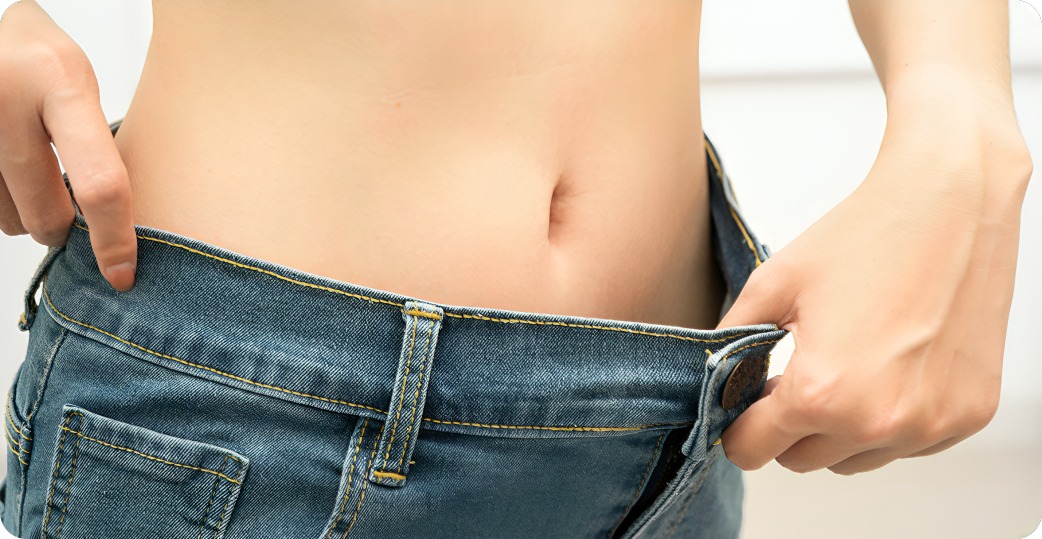
If you’re thinking about starting Accutane, it’s completely normal to have questions about how it might affect your body, especially when it comes to weight. You might be wondering whether Accutane can cause weight gain or weight loss, or if there’s any real connection between the medication and changes on the scale. These concerns are common among people considering or currently taking Accutane. The good news is that we can look at what the research actually says and break it down into simple, easy-to-understand insights.
What Is Accutane?
Accutane, also known by its generic name isotretinoin, is a powerful prescription medication used to treat severe or stubborn acne that hasn’t responded to other treatments. It works by targeting the root cause of acne, excess oil production, by shrinking the sebaceous glands in the skin. With less oil, pores are less likely to become clogged, which helps reduce breakouts over time. Most Accutane treatment plans typically last between 4 to 6 months, depending on your skin and how you respond to the medication.
Can Accutane Make You Lose Weight?
There is no strong scientific evidence that Accutane directly causes weight loss. While some people ask, “can Accutane cause weight loss?” or worry about Accutane and weight changes, current research does not show a clear link.
That said, a small number of users report side effects like lower appetite, nausea, or stomach upset while taking isotretinoin. If you end up eating less because you feel unwell, you might notice mild fluctuations on the scale. However, this is not considered a common or direct side effect of Accutane.
So, does Accutane make you lose weight?
In most cases, no. Weight loss is not a typical or expected effect of isotretinoin. While some individuals may notice minor changes due to temporary side effects like reduced appetite, Accutane itself is not known to directly cause weight loss.
Can Accutane Make You Gain Weight?
While this is a common concern, research shows no clear link between Accutane and weight gain, and it is not listed as a typical side effect.
That said, some users do report changes in body weight during treatment, though these cases are not well understood or consistently observed.
Why might weight gain happen?
In some cases, weight gain during Accutane treatment may be linked to indirect factors rather than the medication itself. These can include reduced physical activity due to joint discomfort, changes in mood that influence eating habits, temporary water retention, or general lifestyle shifts during treatment.
It’s important to note that these effects can vary from person to person and are not consistently experienced, meaning not everyone will notice changes in weight.
If you experience these symptoms, we recommend speaking to a Board-Certified Dermatologist about these changes.

Book an Appointment with
a Dermatologist
Every Clear Health treatment begins with a licensed, board-certified dermatologist reviewing your skin and guiding your care - safely, thoughtfully, and personally.
Start Online EvaluationAccutane and Body Weight: What Science Says
Clinical studies on Accutane (isotretinoin) have not shown consistent changes in body mass index (BMI) among patients. Because of this, weight is not typically considered a primary concern during treatment.
Instead, doctors focus on monitoring overall health through:
- Regular blood tests
- Liver function checks
- Cholesterol levels
- In some cases, blood sugar levels
Weight may be discussed if you have other underlying health conditions, but for most patients, it is not a central focus of Accutane treatment monitoring.
The Bottom Line on Accutane and Weight
There is no proven direct link between Accutane and major weight gain or weight loss.
If weight fluctuations happen, they are usually mild and temporary.
Common Side Effects of Accutane
While weight changes are not commonly associated with Accutane, there are other potential side effects to be aware of:
- Dry skin and lips
- Joint pain
- Muscle aches
- Headaches
- Mood changes
- Increased cholesterol levels
- Changes seen in blood tests
Mental health is also an important consideration during treatment. Some patients may experience mood swings or symptoms of depression. If you notice any changes in your mood or mental well-being, it’s important to inform your doctor right away.
What Happens If You Stop Accutane Early?
Stopping Accutane treatment too soon can affect your overall results and increase the likelihood of acne returning. Ending treatment early may reduce the long-term effectiveness of the medication and prevent the sebaceous glands from fully shrinking, which is a key part of how Accutane works.
For best results, Accutane is typically most effective when the full course is completed. Always speak with your healthcare provider before making any changes to your treatment plan.
Long-Term Effects: Should You Worry?
For most healthy individuals, Accutane is considered safe when used under proper medical supervision. Doctors closely monitor patients throughout treatment to ensure overall health and safety.
This typically includes checking:
- Liver health
- Cholesterol levels
- Triglycerides
- Blood sugar
When treatment is properly supervised, serious long-term effects are rare. Regular monitoring helps identify any changes early and ensures that Accutane can be used safely and effectively.
Who Should Be Extra Careful?
Certain individuals may need closer evaluation before starting Accutane. If you have underlying health conditions, it’s important to speak with a healthcare provider to determine if treatment is appropriate.
This includes people with:
- Liver disease
- High cholesterol
- Diabetes
- Mental health conditions
In these cases, your provider may monitor your body weight, body mass index (BMI), and lab results more closely throughout treatment to ensure safety.
How Clear Health Makes Accutane Treatment Easier
At Clear Health, the goal is to make acne treatment simple, accessible, and affordable.
When you start Accutane through helloclearhealth.com, you can expect:
- Online visits with licensed providers
- Convenient lab orders and blood tests
- Ongoing monitoring for side effects, including mood and joint pain
- Personalized care based on your health history
Clear Health focuses on safe, evidence-based care designed to support long-term skin health and results.
Book an Appointment with
a Dermatologist
Every Clear Health treatment begins with a licensed, board-certified dermatologist reviewing your skin and guiding your care - safely, thoughtfully, and personally.
Start Online EvaluationKey Takeaways
- Accutane (isotretinoin) does not typically cause weight gain or weight loss.
- There is no strong scientific evidence linking Accutane to major body weight changes.
- Some people may notice mild weight fluctuations due to appetite or activity changes.
- Joint pain and mental health effects can indirectly affect weight.
- Never stop Accutane treatment early without speaking to your provider.
- Regular blood tests help ensure safe treatment.
If you're worried about Accutane and weight, talk to a qualified provider. Personalized care makes all the difference.
This content is for informational purposes only and is not medical advice. Always consult a licensed healthcare provider before starting or changing treatment.
Related Stories
Tranexamic Acid for Skin: Can It Really Fade Dark Spots?
Written by Erika Morrison
Published on 09/11/2026

What to Expect When You Start Isoclear™ Topical Isotretinoin
Written by Erika Morrison
Published on 09/03/2026

Rethinking Acne Treatment: Microdosing Isotretinoin and a New Topical Approach
Written by Erika Morrison
Published on 08/28/2026

View All