
Introducing
Isoclear™
topical Isotretinoin gel system

The Hollywood Dose
Micro-dose Protocol
for resistant acne

Who We Are
Our Story
FAQs
Contact Us
Blog
Explore
Success Stories
Standard Accutane vs Micro-dose Protocol
Pay over time with


For Emergencies:
Need emotional support? (24/7): Call or text 988
Emergency Services (24/7): Dial 911
View All
Isotretinoin (Accutane) Protocols
Standard Protocol
Micro-dose Protocol
Oral and Topical Treatments
Isoclear™
NewDoxycycline + Topical
Spironolactone + Topical
Compounded Topical
Supporting Products
Jojoba Oil Cleanser
Lightweight Moisturizer
Home Pregnancy Tests (6 ct)
Aquaphor (3 ct)
At-Home LFT + Lipid Panel Bloodwork Kit
Who We Are
Our Story
FAQs
Contact Us
Blog
Explore
Success Stories
Standard Accutane vs Micro-dose Protocol
Pay over time with
For Emergencies:
Need emotional support? (24/7): Call or text 988
Emergency Services (24/7): Dial 911
Accutane (Isotretinoin) Side Effects: Bumps, Dry Skin, Rashes, and More

Written byErika Morrison
Published on05/01/2026
Here’s what we’ll cover
- Bumps on Hands or Arms While on Accutane
- What Does an Accutane Rash Look Like?
- Can Accutane Cause Eczema?
- Dry Skin, Dry Eyes, and Dehydration
- Can Accutane Cause Back Pain?
- Mental Health and Other Potential Side Effects
- Birth Defects and Safety Monitoring
- Does Accutane Weaken Your Immune System?
- How Long Do Accutane Side Effects Last?
- Why Accutane Is Still an Effective Treatment
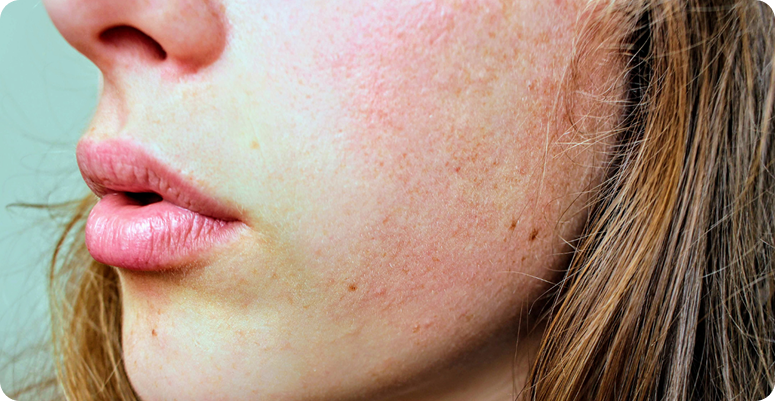
Accutane isotretinoin is an effective treatment for severe acne. It works by reducing oil in the skin and clearing clogged pores. But like any medication, it can come with common side effects and other potential side effects.
This guide explains the side effects of Accutane, including dry skin, bumps, eczema, back pain, and more
Bumps on Hands or Arms While on Accutane
Some people notice small bumps while on Accutane, especially on the hands and arms. This is why people often search for terms like bumps on hands Accutane or Accutane bumps on arms.
These bumps are usually linked to dry skin and irritation. When oil levels drop during isotretinoin therapy, the skin barrier becomes weaker and more sensitive. This can lead to rough patches or small raised bumps.
Keeping a simple skin care routine helps. Use a gentle cleanser, moisturize often, and avoid harsh scrubs.
What Does an Accutane Rash Look Like?
One of the common side effects of Accutane is a skin rash. It may appear as red patches, flaky skin, or itchy areas. This happens because the skin becomes dry and more reactive.
These types of adverse effects are usually mild but can feel uncomfortable. Using a thick moisturizer such as Aquaphor and avoiding irritants can help calm the skin. If the rash becomes severe, it’s important to check with a doctor.
Can Accutane Cause Eczema?
Yes, Accutane can lead to eczema or eczema-like symptoms. This is because isotretinoin therapy reduces oil, which is needed to protect the skin barrier.
When the barrier is weak, it can cause redness, itching, and cracking. This is sometimes described as eczema caused by Accutane. Managing dryness is key to reducing flare-ups.
Dry Skin, Dry Eyes, and Dehydration
Dry skin is one of the most common side effects of isotretinoin. Many people also experience dry eyes, especially if they wear contact lenses.
You may need to:
- Use moisturizer daily, such as Aquaphor Healing Ointment (3-pack), a dermatologist-recommended option that helps lock in moisture and protect very dry or cracked skin
- Apply lip balm often
- Use artificial tears for eye comfort
- Limit how long you wear contact lenses
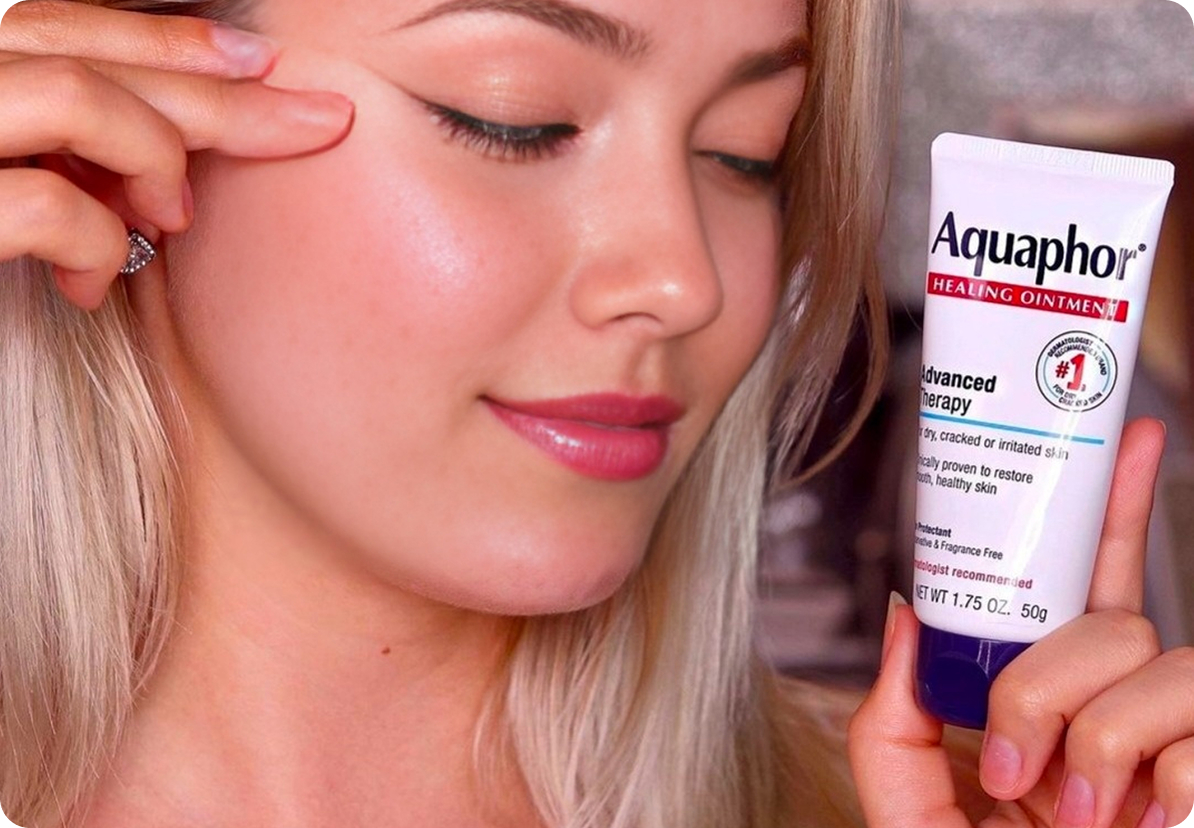
Many people also wonder, does Accutane dehydrate you? While it does not directly dehydrate your whole body, it reduces oil production, which can make your skin, lips, and eyes feel very dry.
Can Accutane Cause Back Pain?
Some people report back pain or joint pain during treatment. These are known side effects of Accutane and may happen because the medication affects muscles and joints.
Most cases are mild. Gentle movement and rest can help. If pain becomes severe, speak with a doctor.

Book an Appointment with
a Dermatologist
Every Clear Health treatment begins with a licensed, board-certified dermatologist reviewing your skin and guiding your care - safely, thoughtfully, and personally.
Start Online EvaluationMental Health and Other Potential Side Effects
There have been reports linking Accutane to mental health changes, such as mood shifts. However, research is still ongoing, and not everyone experiences this. Acne itself can also affect how people feel, which is why mental health support is important during treatment.
You can learn more about this connection here.
Other potential side effects may include:
- Changes in liver function
- Sensitivity to sunlight (use sun protective habits like sunscreen)
- Very rare concerns like inflammatory bowel disease
Because of the risk of serious adverse effects, doctors monitor patients closely during treatment.
Birth Defects and Safety Monitoring
Accutane is known to cause serious birth defects if taken during pregnancy. This is why strict safety programs like iPLEDGE are required.
Patients who can become pregnant must follow strict guidelines, including regular testing and contraception.
Does Accutane Weaken Your Immune System?
Accutane does not directly weaken your immune system. However, very dry skin can crack, which may make irritation or infection more likely.
Keeping your skin hydrated helps protect it.
How Long Do Accutane Side Effects Last?
Many common side effects start early and improve over time. Most go away after treatment ends.
Short-term side effects:
- Dry skin and lips
- Dry eyes
- Mild aches
Some long term effects are rare, but your doctor will monitor you during treatment. Everyone responds differently.
Why Accutane Is Still an Effective Treatment
Even with possible side effects, Accutane remains an effective treatment for severe acne. It targets the root cause by reducing oil and unclogging pores.
For many people, it leads to long-lasting clear skin.
Book an Appointment with
a Dermatologist
Every Clear Health treatment begins with a licensed, board-certified dermatologist reviewing your skin and guiding your care - safely, thoughtfully, and personally.
Start Online EvaluationIf you’re dealing with side effects or want a more controlled approach, there are options.
The Micro-dose Protocol is designed to treat acne using a lower dose, which may help potentially reduce side effects while still being effective.
Book an appointment with a board-certified dermatologist to find the right plan for your skin.
Micro-dose Accutane, Expert-Guided Treatment with All-Inclusive Care
Start Online EvaluationWorried that you're not a candidate? If the physician deems you ineligible for any treatments your initial consultation is FREE - we'll refund you in full automatically.
This content is for educational purposes only and does not replace medical advice.
- American Academy of Dermatology
- U.S. Food and Drug Administration (Isotretinoin Medication Guide)
- National Eczema Association
- Layton AM. “The use of isotretinoin in acne.” Dermatologic Therapy (2009)
- Rademaker M. “Isotretinoin: dose, duration and relapse.” Australasian Journal of Dermatology (2010)
- Sardana K et al. “Low-dose isotretinoin in acne.” Indian Journal of Dermatology (2009)
Related Stories
Tranexamic Acid for Skin: Can It Really Fade Dark Spots?
Written by Erika Morrison
Published on 09/11/2026

What to Expect When You Start Isoclear™ Topical Isotretinoin
Written by Erika Morrison
Published on 09/03/2026
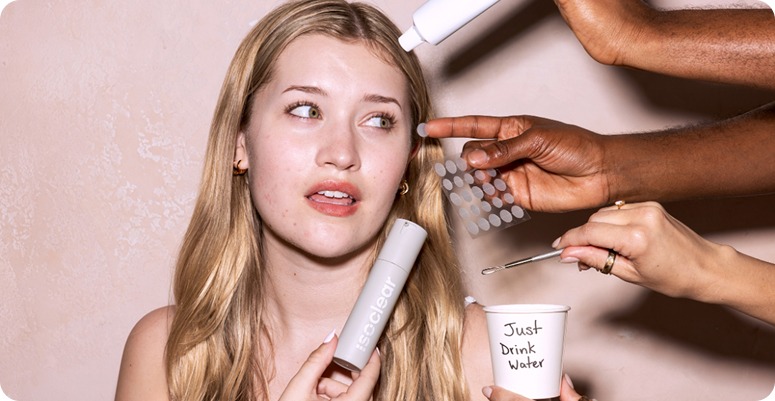
Accutane and Fertility: Can Isotretinoin Make You Infertile?
Written by Erika Morrison
Published on 07/24/2026
View All