
Introducing
Isoclear™
topical Isotretinoin gel system

The Hollywood Dose
Micro-dose Protocol
for resistant acne

Who We Are
Our Story
FAQs
Contact Us
Blog
Explore
Success Stories
Standard Accutane vs Micro-dose Protocol
Pay over time with


For Emergencies:
Need emotional support? (24/7): Call or text 988
Emergency Services (24/7): Dial 911
View All
Isotretinoin (Accutane) Protocols
Standard Protocol
Micro-dose Protocol
Oral and Topical Treatments
Isoclear™
NewDoxycycline + Topical
Spironolactone + Topical
Compounded Topical
Supporting Products
Jojoba Oil Cleanser
Lightweight Moisturizer
Home Pregnancy Tests (6 ct)
Aquaphor (3 ct)
At-Home LFT + Lipid Panel Bloodwork Kit
Who We Are
Our Story
FAQs
Contact Us
Blog
Explore
Success Stories
Standard Accutane vs Micro-dose Protocol
Pay over time with
For Emergencies:
Need emotional support? (24/7): Call or text 988
Emergency Services (24/7): Dial 911
Accutane Eye Drops: How to Manage Dry Eyes & Blurry Vision During Treatment

Written byErika Morrison
Published on04/17/2026
Here’s what we’ll cover
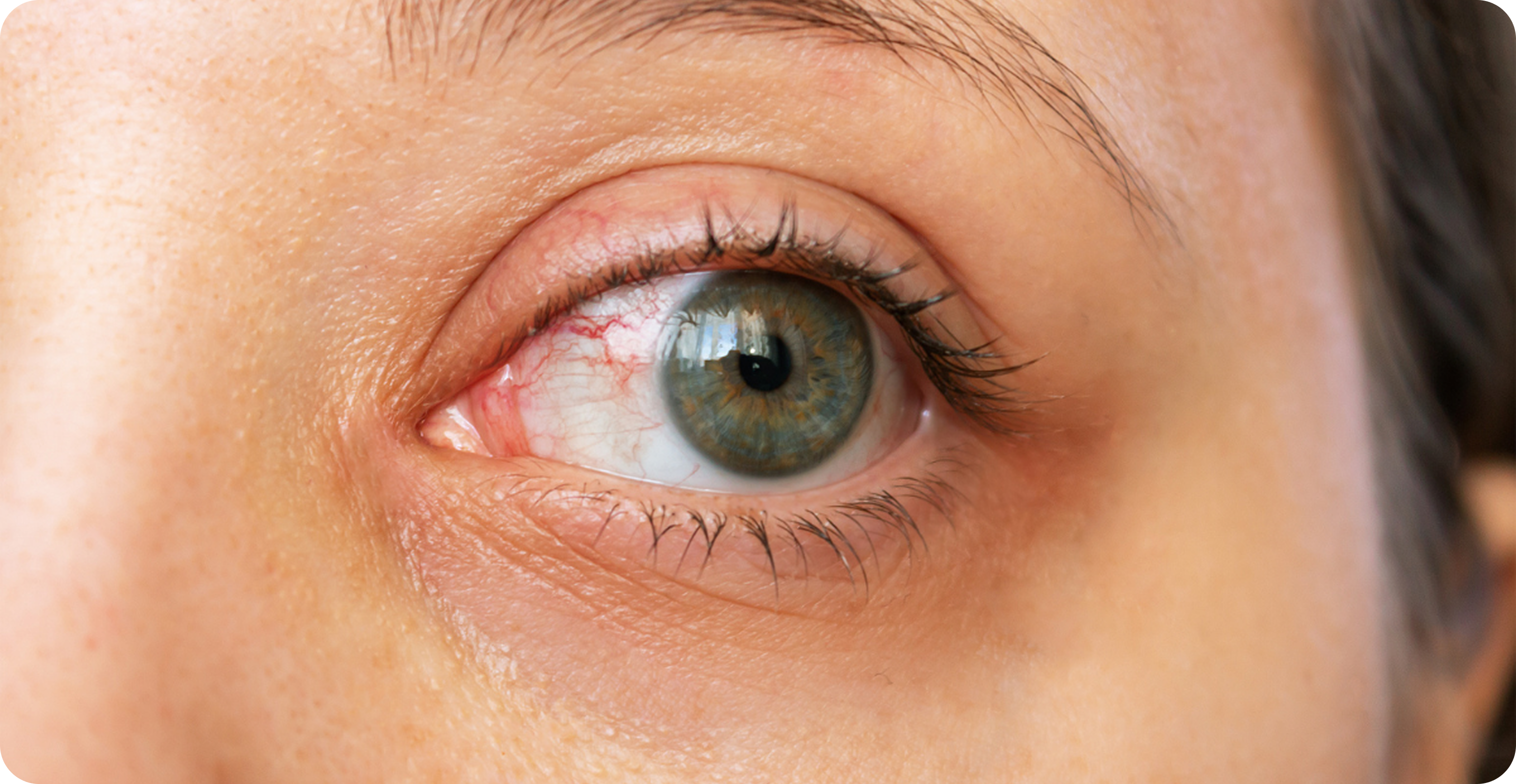
Accutane (isotretinoin) is one of the most effective ways to treat severe acne, but it can come with side effects that go beyond your skin. One of the most common is changes in your eye health, including dryness and blurred vision.
If you’ve been searching for:
- accutane eye drops
- can accutane cause dry eyes
- accutane blurry vision
- best eye drops for accutane
You’re in the right place. Let’s break down what’s happening and how to manage it.
Why Accutane Affects Your Eyes
Accutane works by shrinking your sebaceous glands, the glands responsible for oil production. While this helps reduce acne, it also affects the tiny oil glands in your eyelids.
These glands play a key role in:
- Stabilizing your tear film
- Preventing tear evaporation
- Supporting healthy tear production
When oil production drops:
- Tears evaporate too quickly
- The eye surface dries out
- You may develop evaporative dry eye or dry eye disease
Research shows that isotretinoin can disrupt these oil glands, leading to tear film instability and dryness. Studies suggest that 30 to 50 percent of patients develop dry eye symptoms during treatment, with some reports showing even higher rates.
This is why Accutane increases the risk of:
- Dry, irritated eyes
- Redness or burning
- Light sensitivity
- Contact lens discomfort
If you’re experiencing accutane and blurred vision, it’s usually tied to dryness, not permanent damage.
Here’s how it works:
- A healthy tear film helps light focus clearly
- When tears break up too quickly, your vision becomes unstable
- This leads to temporary blurred vision
Clinical research shows that tear film instability from isotretinoin can affect visual clarity and lead to fluctuating vision.
Common patterns:
- Vision fluctuates throughout the day
- Worse after long screen time
- Improves after blinking or using lubricant eye drops

Book an Appointment with
a Dermatologist
Every Clear Health treatment begins with a licensed, board-certified dermatologist reviewing your skin and guiding your care - safely, thoughtfully, and personally.
Start Online EvaluationDoes Blurred Vision from Accutane Go Away?
For most people, yes.
Does blurred vision from Accutane go away?
- It usually improves after treatment ends
- It often improves sooner with proper eye care
Studies and clinical observations suggest that most ocular side effects from isotretinoin are temporary and reversible after discontinuation.
That said, you should see an eye doctor if:
- Blurry vision is persistent
- Symptoms worsen over time
- You experience pain or significant light sensitivity
Using the right accutane eye drops can significantly improve comfort.
1. Artificial Tears (Daily Use)
The foundation of managing dry eye:
- Choose preservative-free artificial tears
- Use 2 to 4 times daily or more if needed
These help:
- Replenish moisture
- Support tear production
- Soothe irritation
2. Lipid-Based Eye Drops
Best for evaporative dry eye:
- Replace missing oils from reduced oil production
- Help slow tear evaporation
Research shows that lipid-based drops can improve tear film stability and reduce evaporation-related symptoms.
3. Gel or Ointment Drops (Nighttime)
For more severe symptoms:
- Thicker consistency
- Longer-lasting hydration
- Ideal before bed
Simple Ways to Support Eye Health During Accutane
Eye drops help, but daily habits matter just as much.
Improve Oil Gland Function
- Use warm compresses on your eyelids daily
- Helps unclog glands and improve tear quality
Reduce Tear Evaporation
- Use a humidifier
- Avoid direct airflow from fans or AC
Support Tear Production
- Stay hydrated
- Blink more during screen use
- Follow the 20-20-20 rule: Every 20 minutes, Look at something 20 feet away, For at least 20 seconds
Adjust Your Routine
- Limit contact lens wear if uncomfortable
- Take regular breaks from screens
Frequently Asked Questions
Can Accutane cause dry eyes?
Yes. Accutane reduces activity in sebaceous glands, which affects the oil layer of your tears and can lead to dry eye disease. Studies suggest a significant percentage of users experience this side effect.
What are the best eye drops for Accutane?
Start with preservative-free artificial tears. If symptoms persist, lipid-based or gel lubricant eye drops may provide better relief.
Why does Accutane cause blurred vision?
Dryness disrupts the tear film, making it harder for your eyes to focus light properly, leading to temporary blurred vision.
Does blurred vision from Accutane go away?
In most cases, yes. Research suggests these symptoms are usually temporary and improve after treatment or with proper eye care.
Should I see an eye doctor?
Yes, if symptoms are severe, persistent, or affecting your daily life.
Key Takeaways
- Accutane can cause dry eyes by reducing oil production in eyelid glands
- This can lead to evaporative dry eye and temporary blurred vision
- Studies suggest 30 to 50 percent of patients experience dry eye symptoms during treatment
- Artificial tears and lubricant eye drops are the first line of relief
- Supporting your oil glands with warm compresses can improve symptoms
- Most symptoms are temporary and improve after treatment
- See an eye doctor if symptoms become severe
Ready for Personalized Acne Treatment?
Accutane can be life-changing, but managing side effects like dry eyes is just as important.
Book an Appointment with
a Dermatologist
Every Clear Health treatment begins with a licensed, board-certified dermatologist reviewing your skin and guiding your care - safely, thoughtfully, and personally.
Start Online EvaluationGet expert guidance, personalized treatment plans, and support throughout your acne journey.
- EyeWiki. Ocular Manifestations of Isotretinoin.
- Frontiers in Medicine. Effects of Isotretinoin on Meibomian Glands and Tear Film.
- National Center for Biotechnology Information (NCBI). Isotretinoin-Associated Dry Eye Study.
- Investigative Ophthalmology & Visual Science (IOVS). Dry Eye Symptoms in Isotretinoin Users.
- PubMed. Meibomian Gland Dysfunction and Isotretinoin.
- The Medical Journal of Australia (Insight+). Isotretinoin-Induced Dry Eye Disease.
- ScienceDirect. Ocular Side Effects of Isotretinoin.
Related Stories
Tranexamic Acid for Skin: Can It Really Fade Dark Spots?
Written by Erika Morrison
Published on 09/11/2026

What to Expect When You Start Isoclear™ Topical Isotretinoin
Written by Erika Morrison
Published on 09/03/2026

Rethinking Acne Treatment: Microdosing Isotretinoin and a New Topical Approach
Written by Erika Morrison
Published on 08/28/2026

View All